2026 How to Choose Mahogany Fibrous Casings?
Choosing mahogany fibrous casings in 2026 requires more than matching a sausage to a rich, reddish-brown color. The casing must suit the product, filling process, cooking method, and packaging plan. A reliable choice protects shape, supports even smoke absorption, and releases cleanly after processing. It should also deliver a consistent appearance from one production batch to another.
Experienced processors usually begin with practical details. Measure the filling diameter, target weight, linking method, and expected cooking temperature. Then compare casing strength, permeability, moisture tolerance, and storage conditions. A casing that performs well during stuffing may still wrinkle after heating. Small pilot trials can reveal this problem before full production. They also show whether the mahogany shade remains attractive under retail lighting.
Supplier evidence matters. Request technical data, food-contact documentation, lot traceability, and clear storage guidance. Review samples with your own equipment, not only with a supplier’s demonstration. Ask how the casing handles high-speed filling and whether its color varies between lots. No product is perfect. Even a trusted specification may need adjustment for a new recipe or machine. Record stuffing pressure, cooking loss, surface appearance, and peeling results. These observations support a more defensible decision.
The best mahogany fibrous casings balance visual appeal with dependable processing performance. They should fit your product goals, quality controls, and customer expectations. Careful testing creates confidence. Guesswork does not.
Define Mahogany Fibrous Casings: Cellulose Structure, 35–80 mm Calibers
2026 How to Choose Mahogany Fibrous Casings?
Define Mahogany Fibrous Casings: Cellulose Structure, 35–80 mm Calibers
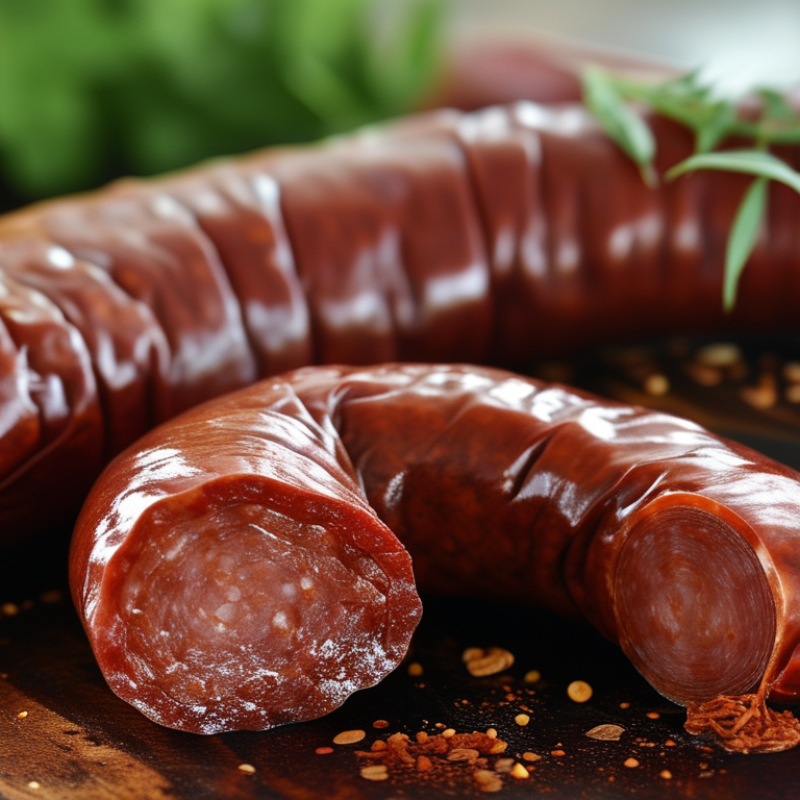
Mahogany fibrous casings are cellulose-based tubes with a distinctive deep reddish-brown color. Their structure combines regenerated cellulose with a strong fibrous paper layer. This reinforcement helps the casing hold shape during stuffing, cooking, cooling, and slicing. The surface usually accepts smoke and color evenly, creating a polished appearance on finished sausages or deli products.
Caliber describes the casing’s approximate stuffed diameter. The 35–80 mm range covers narrow snack-style products through larger salamis and cooked rolls. A 35 mm casing may suit compact portions, while an 80 mm casing supports thicker, slower-cooking formats. Measure the filled product, not only the flat casing. Stuffing pressure, meat texture, and thermal expansion can change the final diameter.
Check cellulose quality, fiber bonding, moisture tolerance, and peel performance before choosing. Experienced processors should test several calibers with the intended recipe and equipment. A casing that performs well in one filling line may wrinkle on another. Small details matter. I would not select a casing by color alone. Mahogany shades can hide uneven stuffing or surface defects. Record cooking loss, shrinkage, adhesion, and slicing results during trials. The first test may look acceptable, yet repeated production can reveal weak seams or inconsistent sizing. That is where a careful review becomes valuable.
2026 How to Choose Mahogany Fibrous Casings?
Fibrous casings use a cellulose-based structure reinforced with paper fibers. Select the nominal caliber according to the desired product diameter: available sizes in this comparison range from 35 to 80 mm. Circumference values are calculated as diameter × π.
Larger calibers create wider finished products and generally require adjusted filling and processing conditions. Actual stuffed diameter can vary with filling density, moisture, cooking, and handling.
Evaluate Oxygen and Moisture Barriers for 2026 Processing Conditions
2026 How to Choose Mahogany Fibrous Casings?
Evaluate Oxygen and Moisture Barriers for 2026 Processing Conditions
Mahogany fibrous casings need barrier performance matched to the product, process, and storage route. Oxygen transmission rate, or OTR, should be checked at the temperature and humidity expected in 2026 production. A casing tested at 23°C and 50% relative humidity may perform differently in a cold, wet smokehouse. ASTM F1927 provides a recognized method for oxygen testing. Water vapor transmission rate should also follow ASTM F1249. Both values matter.
The 2024 FAO State of Food and Agriculture reports that 13.2% of food is lost before retail. Moisture migration contributes to weight loss, surface drying, and texture changes. Oxygen can accelerate color fading, rancidity, and flavor decline in fatty products. Select a low-OTR structure for longer distribution. Choose controlled moisture resistance when drying must remain gradual. Too much moisture protection can slow drying unevenly. That risk deserves attention. My practical check is simple: compare laboratory results with pilot batches after slicing, chilling, and seven days of storage. A low number is not automatically better.
Tips: Request OTR and WVTR data at realistic humidity levels. Check seal integrity after stuffing and thermal processing. Record casing weight before and after drying. Review results with your process engineer, because barrier targets depend on fat content, diameter, smoke exposure, and shelf-life claims. Independent testing is wise when supplier data seems unusually perfect.
2026 How to Choose Mahogany Fibrous Casings? - Evaluate Oxygen and Moisture Barriers for 2026 Processing Conditions
| Casing Construction |
Oxygen Transmission
(cc/m²/day) |
Moisture Vapor Transmission
(g/m²/day) |
Typical Processing Temperature |
Humidity Tolerance |
Smoke Permeability |
Best-Fit Application |
Barrier Assessment |
| Uncoated cellulose fibrous casing |
800–2,500 |
500–1,500 |
Up to approximately 80–85°C |
Moderate |
Excellent |
Traditional smoked sausages requiring strong smoke and moisture exchange |
Low barrier |
| Standard moisture-resistant cellulose coating |
300–900 |
80–250 |
Up to approximately 80–85°C |
Good |
Good to very good |
Cooked or smoked products where moderate yield protection is required |
Moderate barrier |
| PVDC-coated fibrous casing |
5–40 |
2–12 |
Up to approximately 80°C |
Very good |
Limited to moderate |
Mahogany-colored cooked meats requiring strong oxygen, aroma, and moisture protection |
High barrier |
| EVOH-containing multilayer fibrous casing |
0.5–5 |
3–20 |
Up to approximately 80–85°C |
Good, but humidity-sensitive |
Low |
Longer refrigerated shelf life and products needing very low oxygen ingress |
Very high oxygen barrier |
| Polyamide/polyolefin laminated fibrous casing |
10–80 |
1–10 |
Up to approximately 85–90°C |
Very good |
Very limited |
High-yield cooked products needing puncture resistance and low moisture loss |
High barrier |
| High-moisture-barrier coated fibrous casing |
50–250 |
5–40 |
Up to approximately 80–85°C |
Very good |
Moderate |
Mahogany products where appearance, cooking yield, and controlled drying must be balanced |
Balanced barrier |
Data basis: Representative engineering ranges for comparable casing constructions. Oxygen transmission is expressed at approximately 23°C and 50% relative humidity; moisture vapor transmission is expressed at approximately 38°C and 90% relative humidity. Actual performance depends on casing gauge, coating weight, sealing method, product temperature, humidity, sterilization or cooking profile, and test standard. Confirm final values with production-line trials and the applicable supplier specification.
Check Heat Resistance, Peelability, and Cooking Temperatures up to 80°C
2026 How to Choose Mahogany Fibrous Casings?
Mahogany fibrous casings should be selected by performance, not color alone. During production, check the casing’s heat-resistance specification before setting the cooking cycle. A product reaching 75–80°C internally may still require careful humidity control. Excessive heat can cause splitting, wrinkles, or weak seams. The cooking chamber temperature is not the same as the product’s core temperature. This difference matters.
Peelability also deserves a practical test. After cooking, cool one sample completely and remove the casing by hand. It should separate cleanly without tearing the surface. If the casing clings tightly, review soaking time, stuffing pressure, and cooling speed. I have found that rushed cooling can make peeling inconsistent. That assumption is easy to miss. Confirm whether the casing is designed for easy peeling and whether it requires pre-soaking.
Tips: Test three samples at 70°C, 75°C, and 80°C core temperatures. Record weight loss, surface color, seam strength, and peeling time. Use a calibrated thermometer, not visual judgment. Leave room for error. A casing that performs well in one recipe may react differently with larger diameters, dense fillings, or longer cooking cycles. Keep written batch records, then adjust one factor at a time. This makes the final choice more reliable.