
Top Benefits of Freeze Dried Vegetables for Global Buyers?

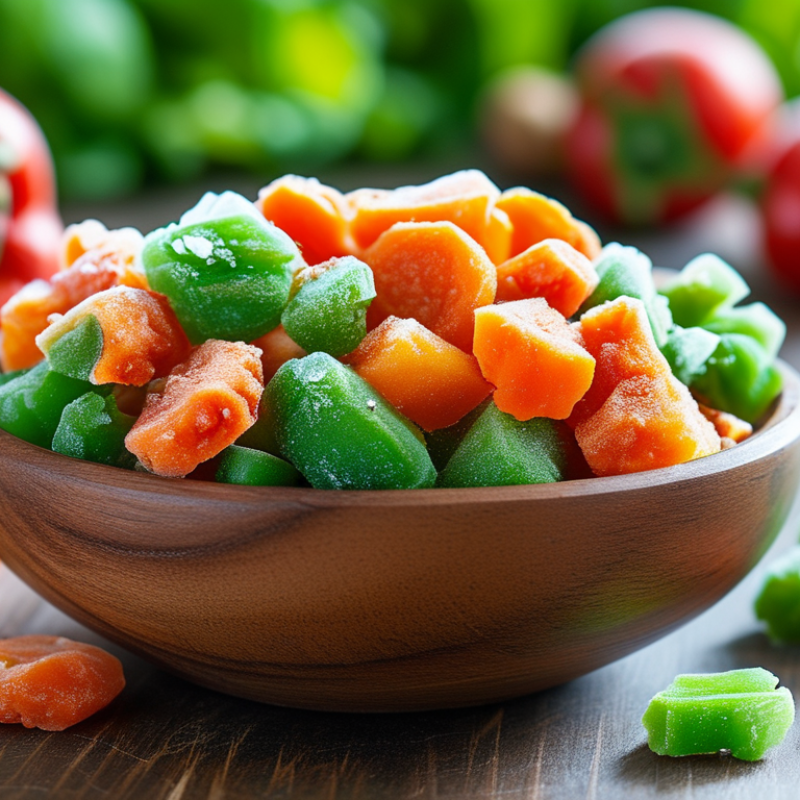
Freeze Dried Vegetables have become increasingly popular among global buyers. These innovative products offer a range of advantages that appeal to health-conscious consumers. The process of freeze drying preserves essential nutrients, resulting in vegetables that retain their natural flavors and colors. This method also extends shelf life, making it easier for consumers to enjoy vegetables year-round.

Moreover, Freeze Dried Vegetables are lightweight and easy to store. This convenience is crucial for today’s busy lifestyles. Families appreciate having access to nutritious options without sacrificing space in their kitchens or pantries. There’s also an eco-friendly side to consider. Many brands use sustainable practices, offering a trustworthy choice for environmentally aware consumers.

While the benefits are clear, challenges exist as well. Some might find the texture different when rehydrated. Taste preferences can vary, too. Not every buyer will appreciate the change in experience compared to fresh vegetables. Nonetheless, these factors do not overshadow the growing demand for Freeze Dried Vegetables in a health-focused marketplace.
Top Benefits of Freeze Dried Vegetables for Global Buyers?

Top Nutritional Advantages of Freeze Dried Vegetables Compared to Fresh

Freeze-dried vegetables have gained attention for their nutritional advantages over fresh produce. The process of freeze-drying retains up to 90% of the original nutrients. According to a study from the Journal of Food Science, freeze-dried vegetables can have higher vitamin C levels than their fresh counterparts. This is significant, especially during off-season months when fresh vegetables may lose nutrients during transport and storage.

Additionally, freeze-dried vegetables are lightweight and have a long shelf life. They retain their vibrant colors and flavors. A report from the Institute of Food Technologists highlights that freeze-drying preserves phytonutrients, which play roles in reducing chronic diseases. This preservation can benefit consumers aiming for a nutrient-dense diet that adapts to busy lifestyles.

However, the taste may not always match that of fresh vegetables. Some individuals find the texture less appealing after rehydration. Others note that detailed cooking instructions are often necessary to achieve optimal flavor. Recognizing these differences is essential for global buyers to make informed choices about incorporating freeze-dried options into their diets.

Top Benefits of Freeze Dried Vegetables for Global Buyers

Nutritional Aspect Freeze Dried Vegetables Fresh Vegetables
Vitamin Retention Up to 90% retained Varies (30-70%)
Shelf Life 15-25 years 1 week to 2 weeks
Nutrient Density Higher per volume Lower per volume
Convenience Lightweight & easy to store Bulky & requires refrigeration
Preparation Time Quick rehydration Requires washing & cooking

Market Growth Trends for Freeze Dried Vegetables in Global Regions

The market for freeze-dried vegetables is expanding globally. Many factors contribute to this growth. Increased demand for healthy food options is a key driver. Consumers seek convenience without sacrificing nutrition. Freeze-dried vegetables offer a long shelf life while retaining essential vitamins. This appealing combination attracts both manufacturers and buyers.

Regions like North America and Europe show significant growth trends. The awareness of health benefits and sustainability drives interest in these products. In Asia-Pacific, urbanization and busy lifestyles increase the demand for quick meal solutions. The versatility of freeze-dried vegetables makes them suitable for various culinary applications.

Tips for buyers: Always check the packaging date for freshness. Choose products with no added preservatives to maximize health benefits. Consider bulk purchasing to save costs and ensure a steady supply. Understanding regional preferences can also help in selecting the right products for your market.

Top Benefits of Freeze Dried Vegetables for Global Buyers

The following bar chart illustrates the key benefits of freeze dried vegetables that influence global buyers, along with market growth trends across different regions.

Cost-Effectiveness of Freeze Dried Vegetables for Retailers and Consumers

Freeze-dried vegetables offer significant cost-effectiveness for retailers and consumers alike. A 2022 report by Market Research Future highlights that the global freeze-dried food market is projected to reach $70 billion by 2025, with vegetables forming a substantial portion. These products are lightweight, reducing shipping costs, which ultimately benefits the consumer.

For retailers, freeze-dried vegetables require less storage space compared to canned or frozen options. This creates an opportunity to maximize profits. In fact, the cost-per-unit for freeze-dried products can be lower due to longer shelf-life, reducing waste from expired goods. A study by the Food Industry Association noted that retailers saving on inventory turnover rates can increase their margins by up to 20%.

Tips: Consider bulk purchasing options to reduce costs further. Seek suppliers who focus on sustainability; this enhances brand appeal and consumer loyalty. It’s also wise to compare nutrition labels. Freeze-dried products often retain more vitamins and minerals than their canned counterparts. However, some may lack texture, which could impact cooking experiences. Balancing cost with quality requires careful selection.

Shelf Life and Storage Benefits of Freeze Dried Vegetables in Supply Chains

Freeze-dried vegetables have become essential in global supply chains due to their impressive shelf life and storage benefits. They retain more nutrients than traditional dehydrated products. Research indicates that freeze-drying can preserve up to 97% of nutrients. This is vital for buyers focused on quality and health.

Long shelf life is a significant advantage. Freeze-dried vegetables can last 20 to 30 years when stored correctly. This longevity reduces waste and minimizes replenishment frequency. In regions with limited access to fresh produce, these vegetables ensure a consistent supply of nutritious food. Their lightweight nature also makes them easy to transport, cutting shipping costs.

Tips: To maximize shelf life, store freeze-dried vegetables in airtight containers away from light. Consider using oxygen absorbers to enhance preservation. Furthermore, assess local climate conditions to determine the most suitable storage method.

Buyers should reflect on their sourcing strategies. While freeze-dried products offer many advantages, they may not suit every consumer preference. Understanding market demand and customer needs is crucial. Balancing quality and cost is essential in achieving sustainable supply chain management.

Sustainability Impact of Freeze Dried Vegetables on Food Waste Reduction

Freeze-dried vegetables have gained attention for their significant role in reducing food waste. According to a report from the Food and Agriculture Organization (FAO), approximately one-third of food produced globally is wasted. This staggering statistic highlights the need for sustainable solutions in food preservation. Freeze-dried vegetables offer a long shelf life, which can prevent excess stock from being discarded.

The process of freeze-drying removes moisture while retaining essential nutrients. This technique allows vegetables to be stored for extended periods without refrigeration. A study from the Journal of Food Science indicates that freeze-drying can preserve vitamins and minerals effectively, making them a valuable alternative to fresh produce. By extending the life of vegetables, businesses can minimize waste and enhance food security.

Moreover, freeze-dried vegetables reduce transportation costs and carbon footprints. They are lighter and less bulky than fresh produce. This reduction in weight leads to fewer greenhouse gas emissions during shipping. Adopting freeze-dried options in meal preparations can be a game changer in addressing environmental impacts. However, it’s essential for consumers and suppliers alike to be educated about sustainable practices and maintain responsible consumption habits.

We are using cookies on our website

Please confirm, if you accept our tracking cookies. You can also decline the tracking, so you can continue to visit our website without any data sent to third party services.