
10 Best Panko Manufacturers for Global Buyers
For global food buyers, choosing a panko supplier involves more than comparing prices. A dependable Panko Manufacturer should provide consistent flake size, clean processing, and clear documentation. Texture matters. A crisp, golden coating can influence consumer perception, frying performance, and repeat orders. Buyers also need practical evidence, including factory capacity, quality controls, export experience, packaging options, and response times. These details become important when samples look excellent, but production batches vary.
This guide introduces ten panko manufacturers serving international purchasing teams. It considers product range, ingredient transparency, private-label support, certifications, and shipment readiness. The assessment focuses on verifiable signals rather than attractive claims. That distinction matters. A polished website cannot replace audit records, product specifications, or a stable supply history. Some manufacturers may excel in premium Japanese-style crumbs, while others support high-volume foodservice programs. Neither approach is automatically better. The right choice depends on recipe requirements, target markets, warehouse conditions, and order frequency. Readers should confirm current certifications, allergen controls, shelf life, and import requirements before signing an agreement. Requirements differ by destination. Even experienced buyers can overlook moisture protection or carton strength during long ocean transit. We may not capture every regional strength, and supplier information can change. Stay critical. Treat this overview as a practical starting point, not a final verdict. Direct samples, factory discussions, and documented checks remain essential for a confident decision.
What Is Panko and Why Global Buyers Choose It
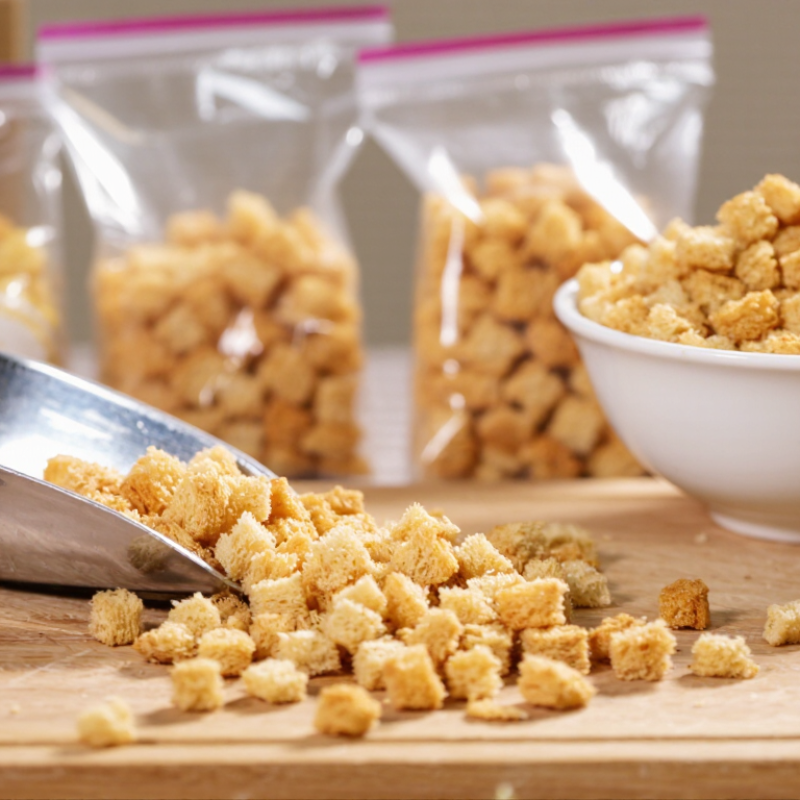
Panko is a Japanese-style bread crumb with a light, flaky structure. Its larger flakes create a crisp surface without a heavy, dense coating. During production, dough is baked with controlled heat, then dried and cut into distinct pieces. This process gives panko its characteristic texture and clean appearance. It is commonly used for seafood, poultry, vegetables, croquettes, and prepared foods.
Global buyers choose panko because it performs consistently across many recipes. The open flakes absorb less oil than fine crumbs during frying. This can produce a lighter bite and a more visible golden finish. Panko also offers practical benefits for food manufacturers. It is easy to portion, simple to blend with seasonings, and suitable for frozen or chilled product lines. Buyers should still check moisture, flake size, color, allergen statements, and packaging strength. Small differences can affect coating adhesion.
A useful purchasing test is straightforward. Apply the crumbs to the same product, fry under identical conditions, and compare crunch after cooling. Freshness matters. A crisp sample may soften after storage if the packaging blocks moisture poorly. Panko is not automatically better because the flakes look larger. Some products need finer coverage, while others need a stronger crunch. A first sample can mislead. Reliable manufacturers should provide clear specifications, stable batch quality, traceability documents, and responsive technical support. These details help buyers reduce waste and make a safer, more informed sourcing decision.
What Is Panko? Typical Nutritional Profile of Plain Panko
Panko is a Japanese-style breadcrumb made from bread and processed into light, coarse flakes. Its airy structure creates a crisp coating while using relatively little oil. The chart shows representative macronutrient values for plain, dry panko per 100 g; exact values vary by recipe and supplier.
Reference basis: representative plain dry panko specifications; values are not brand-specific and should be verified against the supplier’s technical datasheet.
Key Criteria for Evaluating Panko Manufacturers
10 Best Panko Manufacturers for Global Buyers
Key Criteria for Evaluating Panko Manufacturers
Choosing a panko manufacturer requires more than comparing prices. Start by checking flour quality, crumb size, color, texture, and frying performance. A reliable supplier should provide recent test reports, allergen controls, and clear ingredient specifications. Ask how often production lines are cleaned and how foreign-material risks are managed. Small details matter. A uniform crumb can improve coating coverage and reduce oil absorption during commercial frying.
Factory experience is visible in the evidence. Review food-safety certifications, batch records, traceability procedures, and recall systems. Request samples from different production batches, not just one carefully selected carton. Test them in your own kitchen or processing line. Measure crispness after frying, holding time, moisture changes, and appearance after freezing. Laboratory results help, but practical testing reveals problems sooner.
Production capacity also deserves careful review. Confirm monthly output, lead times, minimum order quantities, packaging options, and shipping protection. Moisture-resistant bags and strong cartons can prevent crushed crumbs during long transit. Verify export documents and destination-market requirements before signing a contract. A responsive technical team is valuable when specifications change. However, communication quality can be difficult to judge from one meeting. Use written questions, sample approvals, and performance records. A low quotation may look attractive, yet inconsistent batches can create higher costs later.
Top 10 Panko Manufacturers for International Sourcing
For international sourcing, the top 10 panko manufacturers should be judged by more than production volume. Strong suppliers offer stable flake size, clean wheat ingredients, and reliable moisture control. Their factories should provide traceability from flour intake to sealed cartons. Export experience also matters. Customs documents, pallet strength, and container loading can prevent costly delays.
A practical shortlist may include manufacturers specializing in foodservice panko, retail packs, gluten-free recipes, seasoned crumbs, organic ingredients, colored coatings, Japanese-style flakes, coarse textures, fine textures, and private-label production. Ask each supplier for recent laboratory reports, allergen controls, shelf-life data, and sample batches. Compare the crumbs after frying. Crispness, oil absorption, and color often differ more than product sheets suggest. My judgment may change after testing.
Tips: Request three production samples. Check flakes after 24 hours. Confirm minimum order quantities and lead times in writing. Inspect inner bags for pinholes, especially during humid-season shipments. Do not rely on a low quotation alone. A cheaper product may absorb more oil or break during transport. Also review complaint procedures before signing. Small details matter.
10 Best Panko Manufacturers for Global Buyers - Top 10 Panko Manufacturers for International Sourcing
Supplier-neutral sourcing benchmark for evaluating export-ready panko manufacturers
| No. | Evaluation Dimension | Recommended International-Sourcing Standard | Why It Matters to Global Buyers | Verification Documents or Tests |
|---|---|---|---|---|
| 1 | Panko Product Format | Flake, shred, or granule format clearly defined by product specification | Particle structure affects coating coverage, crunch, appearance, and frying performance | Technical data sheet, product photographs, and representative samples |
| 2 | Particle-Size Consistency | Defined sieve or size range with documented batch-control procedures | Consistent particle size supports uniform coating weight and cooking results | Sieve-analysis report, quality-control records, and pre-shipment inspection |
| 3 | Ingredient Transparency | Ingredient list, processing aids, additives, and allergen information fully disclosed | Supports regulatory review, clean-label claims, and accurate retail labeling | Signed ingredient statement, allergen declaration, and formulation-change policy |
| 4 | Food-Safety Management | Documented HACCP-based controls and a recognized food-safety certification where required | Reduces microbiological, allergen, foreign-material, and traceability risks | Valid certificate, audit summary, HACCP plan, and corrective-action records |
| 5 | Moisture and Crispness Control | Moisture specification and packaging controls established for the intended climate and shelf life | Moisture migration can reduce crispness and increase caking during storage | Moisture test results, water-activity data where applicable, and stability studies |
| 6 | Application Performance | Validated performance for deep-frying, pan-frying, baking, or air-frying as specified | Different cooking methods require different adhesion, browning, and oil-absorption behavior | Application trials, coating-retention results, and sensory evaluation reports |
| 7 | Allergen and Dietary Options | Clear status for wheat/gluten, egg, milk, soy, sesame, and cross-contact controls | Allergen requirements differ across destination markets and customer segments | Allergen matrix, supplier declarations, sanitation procedures, and laboratory tests |
| 8 | Packaging and Shelf-Life Support | Food-grade moisture-barrier packaging, lot coding, and validated shelf-life information | Protects product quality through ocean freight, warehousing, and retail distribution | Packaging specification, shelf-life study, carton details, and lot-traceability procedure |
| 9 | Export and Regulatory Readiness | Ability to provide compliant labels, certificates of analysis, invoices, packing lists, and origin documents | Complete documentation helps prevent customs delays and destination-market non-compliance | Sample export document set, label review, certificate of analysis, and country-of-origin documentation |
| 10 | Supply Reliability and Customization | Defined minimum order quantity, lead time, production capacity, private-label capability, and change-control process | Reliable supply and controlled customization are essential for international food-service and retail programs | Capacity statement, production schedule, quality agreement, sample approval, and service-level terms |
Note: Requirements vary by destination country, product application, and customer specification. All technical, certification, and export claims should be verified directly with the selected manufacturer before purchase.
Product Quality, Capacity, Certifications, and Export Markets
Selecting the 10 best panko manufacturers requires more than comparing prices. Product quality starts with consistent flake size, low moisture, clean flavor, and controlled frying or baking conditions. A practical buyer should request batch samples, sieve analysis, allergen controls, and metal-detection records. The USDA’s 2024/25 Grain and Feed Annual Report estimated global wheat production at roughly 793 million metric tons, yet raw material scale does not guarantee uniform panko performance.
Capacity must be verified through audited production figures, storage space, and backup utilities. Ask whether the supplier can maintain monthly volumes during peak seasons. Export readiness also matters. Review pallet dimensions, container loading plans, shelf-life testing, and temperature controls. UN Comtrade and ITC Trade Map data can help compare a manufacturer’s declared export markets with broader trade flows for prepared cereal and bakery products. Certification evidence should include current HACCP systems and recognized schemes such as BRCGS, IFS, FSSC 22000, or ISO 22000.
The strongest candidates usually provide traceability within hours, not days. They can explain flour sourcing, oil management, packaging layers, and recall procedures clearly. Still, this screening method is imperfect. Certificates may be valid while daily execution remains uneven. A factory visit, retained-sample test, and three-month delivery review reveal more than a polished brochure. Look closely at broken flakes, dusty cartons, and inconsistent lot codes. Small details often expose larger supply risks.
How to Select the Right Panko Supplier for Your Business
Choosing the right panko supplier requires more than comparing prices. A reliable manufacturer should provide clear specifications for crumb size, color, moisture, oil absorption, and ingredient quality. Ask for recent laboratory reports and production samples. A sample should stay crisp after frying, not become heavy or greasy.
Check the supplier’s manufacturing experience and food safety systems. Request information about allergen controls, sanitation routines, traceability, and batch testing. Their answers should be specific, not vague promises. A factory that records temperature, humidity, and packaging conditions can reduce quality variations during shipment. Confirm whether the supplier can meet your required volume without changing the recipe.
Packaging deserves close attention. Panko may lose texture when exposed to moisture, especially during long ocean transport. Choose sealed, food-grade packaging with readable lot codes and suitable carton strength. Ask how the manufacturer handles damaged cartons, delayed deliveries, and quality complaints. These details reveal operational reliability.
Price is only one part of the decision. A cheaper product may create higher frying-oil use or more customer complaints. Test each sample in your actual kitchen, using the same coating process and cooking temperature. Measure crunch, color, adhesion, and breakage after cooling. Small differences matter.
Do not trust samples alone. Request references, audit records, and a written product specification. A supplier may perform well during a sales discussion but struggle during peak seasons. I would also keep a backup source, although maintaining two suppliers can increase administrative work. That trade-off is easy to underestimate.


