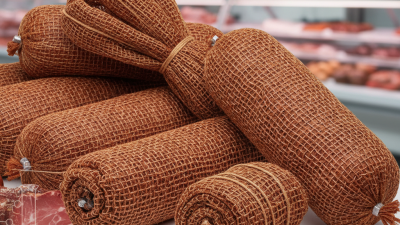
What is Casing Food and How to Source It Globally?

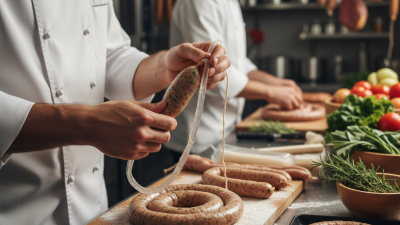
Casing food plays a crucial role in various culinary traditions worldwide. This category includes natural and synthetic materials used to encase sausages and other products. Sourcing casing food globally requires careful consideration of quality, sustainability, and authenticity. As the demand for artisanal and traditional foods grows, so does the need for reliable suppliers.

Many chefs and food producers seek casing food that embodies rich flavors and textures. Quality ingredients enhance dishes, making them more appealing to consumers. Yet, sourcing can be challenging. Not all suppliers meet strict health and safety standards. It is essential to vet potential sources thoroughly to ensure they align with industry regulations.

Exploring diverse markets can uncover hidden gems in casing food. This journey might introduce us to unique flavors and techniques that elevate our culinary creations. However, it demands patience and an open mind. Understanding local practices and respecting traditional methods is vital in this sourcing adventure. Balancing quality and ethical considerations is an ongoing challenge for producers.
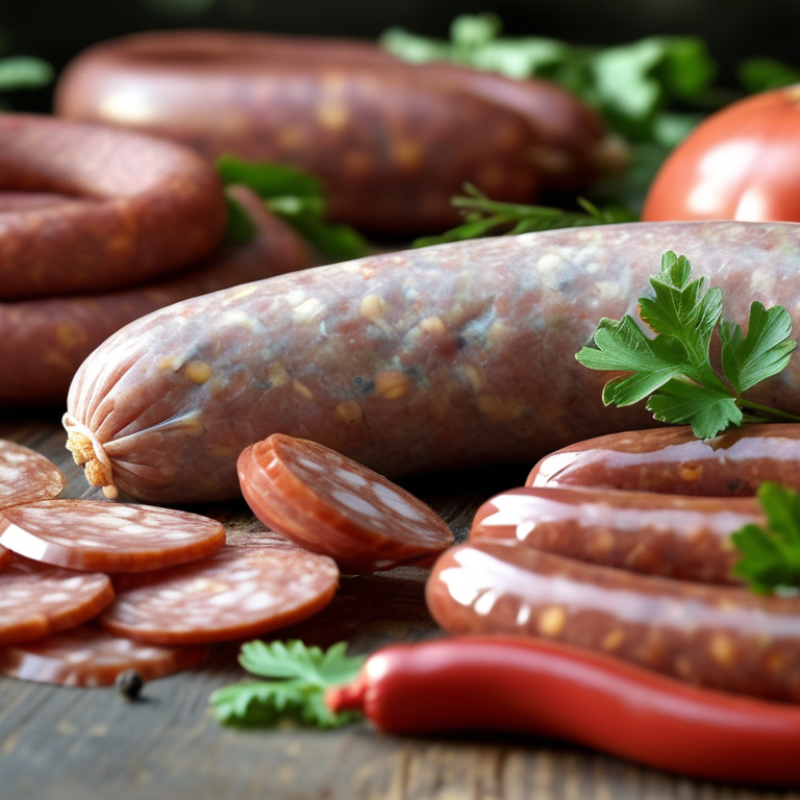
What is Casing Food and How to Source It Globally?

Understanding Casing Food: Definition and Importance in Global Trade

Casing food plays a crucial role in global trade, specifically in the food and agriculture sectors. It refers to the protective packaging that ensures food safety during transport. This packaging is vital to prevent spoilage and contamination. According to industry reports, approximately 30% of food produced is lost due to inadequate packaging. This highlights the need for effective casing solutions.

Understanding the global market for casing food is essential. The global food packaging market was valued at over $300 billion in 2022 and is expected to grow significantly. Innovative materials and sustainable options lead the trend. However, challenges remain in sourcing sustainable materials that are also cost-effective. Many companies struggle to balance eco-friendliness with affordability.

Supply chain disruptions have amplified these issues. The consequences have led to price volatility. Tariffs and geopolitical tensions further complicate the sourcing of casing food. Data shows that companies that adapt quickly to these changes are more resilient. It raises questions about long-term strategies for sourcing in a volatile market. Focusing solely on costs without considering sustainability may result in adverse effects on both the environment and brand reputation.

Key Characteristics of Casing Food: Types and Quality Standards

Casing food refers to natural or artificial materials used to encase various food products. When sourcing casing foods globally, quality and type are crucial. Two primary categories exist: natural casings, often made from animal intestines, and synthetic casings, typically made from collagen or cellulose. Each type serves different culinary applications, influencing texture and flavor.

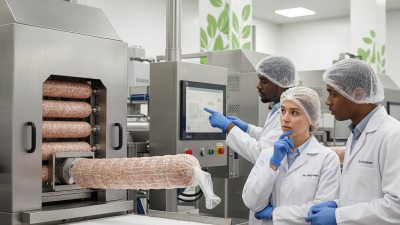
Quality standards for casing foods revolve around safety and consistency. Natural casings need proper cleaning and handling to avoid contamination. Synthetic casings must meet health regulations in various regions. Not all suppliers adhere to the same standards, leading to inconsistencies. Sourcing from reputable providers is vital. Checking certifications and product samples helps ensure you select high-quality options.

In the process of sourcing casing foods, challenges arise. Variability in supply chain logistics can impact availability. Some countries have stricter import regulations than others. Understanding these regional differences in standards adds complexity. Moreover, assessing the source's credibility requires diligence. Establishing reliable communication with suppliers fosters transparency but can take time.

Global Sourcing Strategies for Casing Food: Market Analysis and Trends

Casing food is essential in various cuisines around the world. It involves using specific materials to encapsulate meats or other fillings, impacting taste and texture. Sourcing casing food globally requires understanding key markets and trends. It’s vital to identify regions that excel in producing high-quality casings. Europe, for example, is known for its natural casings, while Asia offers innovative synthetic options.

Market analysis reveals growing demand for unique casing varieties. More consumers seek artisanal and organic options. This trend drives suppliers to explore new production methods and materials. The challenge lies in balancing quality with costs. Buyers must also consider supply chain transparency and sustainability.

Furthermore, cultural preferences influence sourcing strategies. Different regions have distinct tastes and dietary practices. Collaboration with local suppliers can enhance product appeal. Adapting to emerging trends, like plant-based alternatives, may also be necessary. Continuous research and development are crucial for staying competitive.

Regulatory Compliance and Certification for Casing Food Supplies

Regulatory compliance is crucial when sourcing casing food globally. Many countries have strict criteria that must be met. For example, the European Union has specific regulations regarding food safety, labeling, and traceability. These standards ensure consumer protection and maintain quality in the food supply chain.

Certification plays a vital role in compliance. Organizations often seek certifications like ISO 22000 or HACCP. A 2021 report indicated that 75% of food companies reported compliance challenges related to certification processes. Many suppliers struggle to maintain the required documentation. Some even lack the knowledge of necessary certifications.

Geographically, sourcing casing food can be complex. Regions may have different regulations. For instance, sourcing from Asia may expose suppliers to varying food safety standards compared to Europe. Understanding these intricacies is essential to mitigate risks. Engaging local experts is often necessary. They help navigate regulatory landscapes, enhancing trust in supply chains.

Challenges and Solutions in the Global Casing Food Supply Chain

The global casing food supply chain faces significant challenges. Sourcing high-quality casings can be complex. Factors like varying regional regulations, production methods, and raw material availability complicate this process. A report from MarketsandMarkets indicates that the global food casing market is projected to grow at a CAGR of 7.2% from 2021 to 2026, highlighting the increasing demand for natural and artificial casings. However, this growth can be hindered by inconsistencies in safety standards across different countries.

Supply chain disruptions, especially during global crises, can impact sourcing. The COVID-19 pandemic showcased vulnerabilities in logistics and production. Manufacturers need to adopt adaptive strategies to manage risks effectively. Implementing technology and data analytics can improve visibility. Moreover, engaging with local suppliers may mitigate dependencies on global supply chains. However, balancing cost with quality remains a challenge that requires careful evaluation.

In addition, sustainability concerns are rising. The production of animal casings involves ethical considerations. A study by the Food and Agriculture Organization emphasizes the environmental impact of livestock farming. This forces companies to rethink their sourcing strategies. Sustainable alternatives, such as plant-based casings, are emerging. Yet, their market acceptance and performance standards still warrant scrutiny. Addressing these complexities is crucial for the future of the casing food industry.

Casing Food Supply Chain Challenges and Solutions

We are using cookies on our website

Please confirm, if you accept our tracking cookies. You can also decline the tracking, so you can continue to visit our website without any data sent to third party services.