


What Is Ceremonial Matcha Powder Used For?
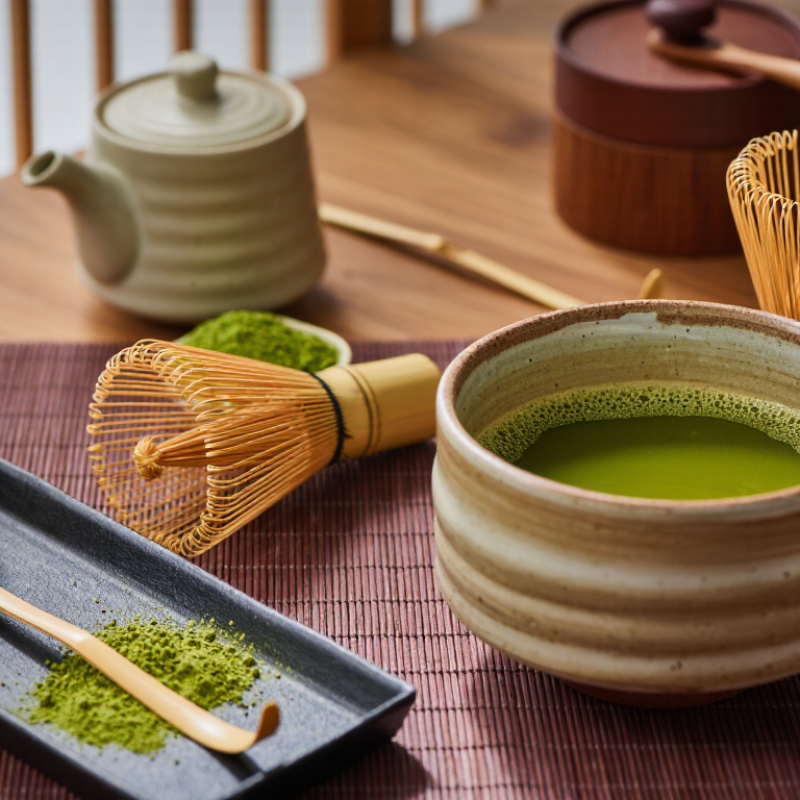
Ceremonial Matcha Powder is most often prepared as usucha, a light, frothy tea whisked with hot water. For koicha, the thicker style served in some tea gatherings, a larger amount of powder is mixed slowly into a smooth, dense drink. The bowl warms the hands; the bamboo whisk leaves fine green foam. Simple, but exacting. Water temperature, freshness, and whisking all shape the cup. Some people also use ceremonial-labeled matcha in lattes or desserts, though milk and sugar can soften its delicate flavor. “Ceremonial” has no single universal grading standard, so the label alone cannot guarantee quality.
Japan’s Ministry of Agriculture, Forestry and Fisheries reported about 4,176 metric tons of tencha production in 2022. Tencha is the shaded leaf material traditionally processed and milled into matcha; the figure does not separate ceremonial grades. That distinction matters. Production data can describe supply, but not prove how a particular powder tastes or was handled. Japanese tea scholar Okakura Kakuzō wrote, “Tea began as a medicine and grew into a beverage,” in The Book of Tea. His line reflects tea’s changing roles, while today’s matcha has practical uses ranging from a quiet morning bowl to a shared tea ritual. A careful choice still starts with the producer, harvest information, storage, and a small taste test. Not every tin will suit every purpose.
What Ceremonial Matcha Powder Is and How It Is Made
Ceremonial matcha is a finely milled green tea made from selected tea leaves. It is traditionally whisked with water and served on its own, so its aroma, texture, and flavor stand out. “Ceremonial” often describes matcha intended for this style of preparation, but grading is not standardized everywhere. Check how the tea was grown and processed, not just the label.
Production starts with tea bushes shaded for several weeks before harvest. The young leaves are picked, briefly steamed to limit oxidation, then dried. Stems and veins are removed, leaving a leaf material called tencha. Producers grind it slowly, often with stone mills, into a fine powder. This careful milling helps preserve a vivid green color and a smooth texture. Still, the result can vary with harvest, storage, and milling; the process is not quite as uniform as it may sound.
Tips: Sift a small serving into a bowl to break up clumps. Add warm, not boiling, water and whisk until lightly foamy. Start with a modest amount; matcha’s grassy bitterness can be stronger than expected.
What Is Ceremonial Matcha Powder Used For? — What It Is and How It Is Made
| Topic | Details | Practical Notes |
|---|---|---|
| What ceremonial matcha is | A finely powdered form of green tea made from specially cultivated and processed tea leaves, traditionally prepared by whisking the powder with water. | “Ceremonial grade” is a common market description, not a legally standardized grade with one universal definition. |
| Traditional use | Matcha is whisked with hot water and served as tea, including in Japanese tea gatherings and formal tea practice. | The powder is suspended in the drink rather than steeped and removed like loose-leaf tea. |
| Modern drink preparation | It can be blended with water, milk, or plant-based alternatives to make drinks such as matcha lattes. | For a smooth drink, first whisk the powder with a small amount of water to make a paste, then add more liquid. |
| Cooking and baking | Matcha can add green-tea flavor and color to recipes such as cakes, cookies, desserts, and smoothies. | Matcha sold for traditional drinking is often chosen for its delicate flavor; cooking suitability depends on the recipe and the powder’s taste. |
| Tea plant cultivation | For matcha, tea plants are typically shaded for a period before harvest. Reduced sunlight changes leaf growth and can increase chlorophyll and certain amino acids. | Shading practices and duration vary by producer and growing conditions. |
| Harvesting and leaf selection | Leaves intended for high-quality matcha are harvested, sorted, and processed to remove stems and veins, producing a leaf material called tencha. | Leaf selection and careful handling influence the final powder’s color, texture, and flavor. |
| Steaming and drying | Fresh leaves are commonly steamed to limit oxidation, then dried without being rolled into the shape used for many other Japanese green teas. | The resulting tencha is stored and prepared for grinding. |
| Grinding into powder | Dried tencha is ground into a fine powder, traditionally using stone mills, though other milling equipment may also be used. | Fine, even particles help the powder disperse when whisked. Grinding generates heat, so careful processing helps protect quality. |
| Typical sensory qualities | Well-made matcha may have a vivid green appearance, a fine texture, and a balanced flavor that can include vegetal, savory, sweet, or mildly bitter notes. | Color and taste vary with cultivar, harvest, processing, storage, and preparation; appearance alone does not establish quality. |
| Traditional preparation | Sift matcha into a bowl, add hot water, and whisk briskly until the powder is dispersed and a light foam forms. | Water is generally hot but not boiling; a bamboo whisk is traditional, while a small electric frother can be used as an alternative. |
| Storage | Keep matcha tightly sealed and protected from air, moisture, heat, and light. | Follow the package instructions. Refrigeration may help preserve freshness if the powder is sealed well and allowed to warm before opening to avoid condensation. |
| Caffeine and serving size | Matcha contains caffeine because the powdered leaf is consumed in the drink. The amount varies with the quantity used and the tea itself. | People sensitive to caffeine may wish to use a smaller serving or avoid it later in the day. |