How to Choose the Best Butchers Mesh for Your Needs?
Choosing the right butchers mesh can greatly impact your processing efficiency and quality. According to Jack Thompson, a long-time butcher and industry expert, “The right mesh is as vital as a sharp knife.” Understanding the various types and uses of butchers mesh is essential in making the best choice for your needs.
Different projects require different types of butchers mesh. For instance, a finer mesh may be ideal for delicate products, while a coarser weave can withstand more intense processing. Exploring options helps you identify what aligns with your specific requirements. Yet, many still overlook the importance of mesh selection and regret it later when operational challenges arise.
Additionally, not all butchers meshes are created equal. Material quality and durability are crucial factors to consider. A poor-quality mesh can lead to product loss or inconsistencies, which are detrimental. Evaluate your options carefully to avoid unnecessary frustrations. Ultimately, investing in a high-quality butchers mesh and understanding its significance can lead to better outcomes in your work.
Understanding Butchers Mesh: Types and Materials
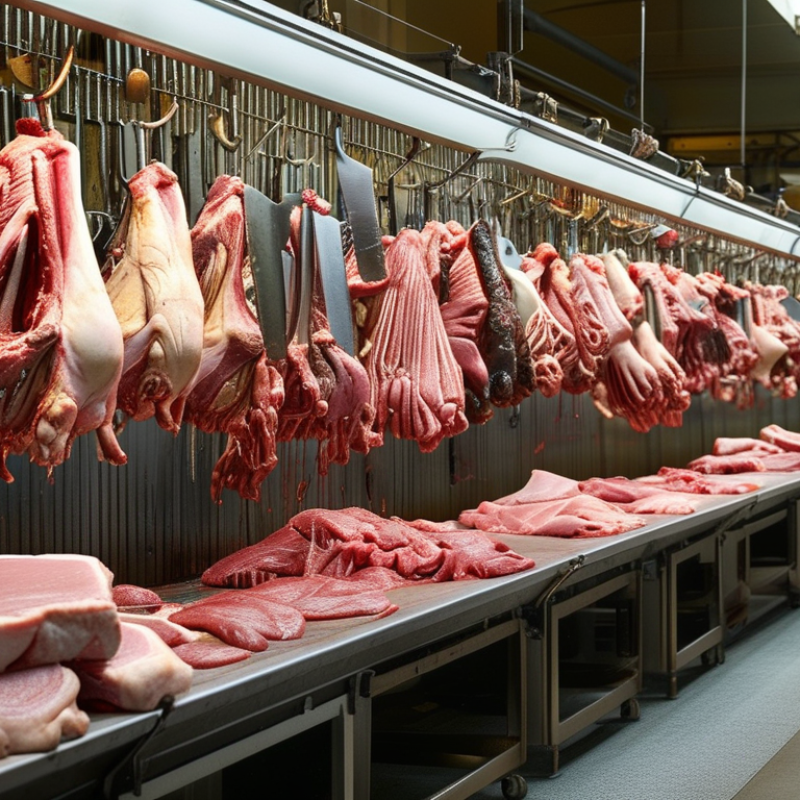
When selecting butchers mesh, understanding the types and materials is crucial. Butchers mesh serves various functions, including meat handling and packaging. Common materials include polypropylene and nylon. Polypropylene is known for its resistance to moisture and chemicals, making it ideal for the food industry. According to industry reports, about 30% of butchers prefer nylon for its durability.
Different types of butchers mesh are tailored for specific needs. For instance, fine mesh is often used for smaller meat pieces while coarser mesh facilitates airflow around larger cuts. A study from the Food Safety Institute noted that proper airflow can reduce spoilage by up to 25%. Choosing the right type can directly impact freshness and quality.
Manufacturers emphasize the importance of mesh size in safety and quality. A too-large mesh can allow contamination, while fine mesh might trap moisture. In practice, many butchers face this dilemma and may choose incorrectly. Understanding these nuances can enhance food safety practices, benefiting not just butchers, but consumers as well.
Key Factors to Consider When Choosing Butchers Mesh
When selecting the best butchers mesh, several key factors come into play. The mesh's durability is crucial. Look for materials that withstand punctures and wear. Industry reports indicate that high-quality meshes can last up to five years under regular use. This longevity reduces replacement costs and ensures safety in food handling.
Another important element is the mesh size. A mesh with smaller openings may provide better protection against contaminants. However, it can also hinder airflow, potentially affecting food freshness. Balancing these aspects is essential. Industry standards suggest that a mesh size of around 18 to 20 mm strikes a good balance for various meat types.
Tips for selecting the right butchers mesh include checking for certifications and compliance with health regulations. Ensure the mesh is made from food-safe materials. Consider customization options for different applications. This approach can enhance usability and efficiency in meat processing environments. Focus on finding a mesh that meets both safety standards and your specific operational needs.
How to Choose the Best Butchers Mesh for Your Needs? - Key Factors to Consider When Choosing Butchers Mesh
| Factor | Description | Considerations |
|---|---|---|
| Material | Type of mesh material (stainless steel, plastic, etc.) | Durability, ease of cleaning, and resistance to corrosion |
| Mesh Size | Size of the mesh openings | Appropriate size for intended use (e.g., size of meat cuts) |
| Weight Capacity | Maximum weight the mesh can handle | Ensure it meets the needs of your workload |
| Ease of Use | Simplicity of handling and management | Consider whether it can be easily manipulated during tasks |
| Cost | Price range of the butchers mesh | Balance between quality and budget |
| Certification | Regulatory approvals and food safety standards | Ensure compliance with industry regulations |
Assessing the Size and Dimensions for Your Specific Needs
When selecting the right butchers mesh, size and dimensions are crucial factors. Think about the products you'll be handling while considering the mesh size. A larger hole allows for better airflow, essential for certain meats. However, smaller holes provide better containment for smaller items.
Tips: Measure your meat portions accurately. This ensures that the mesh you choose fits perfectly. Consider how much product you'll have. If you need larger quantities, a bigger mesh may be beneficial.
The mesh length and width also matter. Custom-sized options cater to specific needs, ensuring that you won't waste materials. Reflect on your working space as well. An ill-fitting mesh can create unnecessary challenges.
Tips: Keep your workspace organized. An orderly setup allows for better efficiency when using the mesh. Look for materials that withstand wear and tear. Durability saves you time and money in the long run.
Evaluating Durability and Maintenance of Butchers Mesh
When selecting butchers mesh, durability and maintenance are crucial. A high-quality mesh needs to withstand rigorous use. Look for materials that resist wear and tear. Steel meshes generally offer greater durability. However, synthetic options can be lighter and easier to handle.
Maintenance is just as important as durability. Frequent cleaning prevents contamination and ensures longevity. Choose materials that are easy to wash, even in harsh conditions. Some meshes require special cleaning solutions, while others can be machine washed. This can impact your choice significantly.
Tips: Regularly check for any signs of wear. If your mesh has frayed edges, it's time to replace it. Also, consider how often you’ll clean the mesh. The more maintenance required, the more time you’ll spend on upkeep. Assessing these factors will help you find the best fit for your needs.
Selecting the Right Butchers Mesh for Different Meat Types
Choosing the right butchers mesh is crucial for preserving the quality of different meat types. Various meats require different levels of protection and air circulation. For example, stews benefit from a looser mesh, while sausages often require tighter weaving. According to industry data, utilizing the appropriate mesh can reduce spoilage by up to 30%, ensuring freshness and flavor.
When selecting butchers mesh, consider the meat type. For poultry, a breathable mesh allows for better preservation without drying out the meat as quickly. For red meats, opt for a denser mesh that retains moisture and flavor while preventing contamination. This selection can significantly enhance customer satisfaction.
Tips: Always seek mesh that meets regulatory standards. Ensure it is made from food-safe materials. Regularly inspect for wear and tear, as damaged mesh can compromise hygiene. Keep in mind that the right mesh is not just about practicality; it reflects your commitment to quality. Choosing poorly may lead to flavor loss or increased waste. Reflect on your choices and their impact on your products.
Meat Types and Recommended Butchers Mesh Thickness
Related Posts
-
Top 10 Uses of Butchers Mesh in Various Industries?
-
What is Casing Food and How is it Used in Culinary Practices?
-
10 Essential Tips for Using Mahogany Fibrous Casings Effectively
-
What is the Best Net for Cooking Meat for BBQ and Grilling
-
How to Choose the Right Food Casings for Your Culinary Needs?
-
Top 10 Benefits of Using Ham Netting for Your Business?