How to Choose the Best Cooking Netting for Your Needs?
When it comes to preparing delicious meals, the right tools make a difference. One essential tool that often gets overlooked is cooking netting. This versatile product can elevate your culinary creations, but choosing the right type can be challenging. You must consider various factors to find the netting that best suits your cooking needs.
Cooking netting comes in various materials, sizes, and uses. Some are better for meat, while others are ideal for vegetables. Understanding specific requirements can help you avoid mistakes. For example, using the wrong type of netting could affect your dish's presentation or flavor.
Many options exist, but few may meet your expectations. Evaluate your cooking style and the recipes you frequently prepare. Is your focus on grilling, roasting, or perhaps steaming? Each method may require a different netting type. By asking yourself the right questions, you'll make an informed choice that aligns with your cooking goals.
Understanding the Different Types of Cooking Netting Available
Cooking netting is an essential tool for various culinary tasks. Understanding the types available can enhance your cooking experiences. Common types of cooking netting include nylon, cotton, and elastic options. Each type serves specific purposes, whether for roasting or steaming.
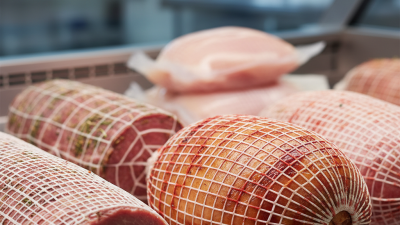
Nylon netting is durable and heat-resistant, suitable for sausages and roasts. It can hold its shape, keeping items intact during cooking. Cotton netting, on the other hand, is more breathable. It allows steam to circulate, making it ideal for steaming vegetables and fish. Elastic netting is flexible and conforms to different shapes, providing versatility when preparing unique dishes.
When choosing cooking netting, consider the technique and ingredients involved. Does your dish require high heat or moisture retention? Reflect on what you need for a better outcome. Not all nettings are created equal, and sometimes, manufacturers may cut corners. Always check the quality before deciding. This way, you ensure your culinary creations meet your expectations.
Key Factors to Consider When Choosing Cooking Netting
When selecting cooking netting, several key factors must be considered to ensure that it meets your culinary needs. The first factor is the material. Common types include nylon and polyester. Nylon is durable and can withstand high temperatures, making it ideal for grilling and roasting. In contrast, polyester has a higher resistance to chemicals and moisture. According to industry studies, approximately 70% of professional chefs prefer nylon netting for its resilience.
Another essential consideration is the mesh size. A smaller mesh can trap juices and flavors while preventing smaller food particles from falling through. However, too small a mesh may affect air circulation during cooking. Research indicates that a mesh size of around 1/4 inch is optimal for even cooking without losing smaller bits.
Lastly, usage versatility plays a significant role. Cooking netting should be suitable for various applications like steaming, baking, or wrapping meats. Some nettings even accommodate specific dietary methods, such as sous-vide cooking. It's crucial to reflect on your cooking style and preferences. While many swear by a particular type, others find their needs vary with different dishes. This inconsistency can lead to dissatisfaction if not addressed. Always consider your kitchen practices and choose netting that will enhance, rather than hinder, your cooking experience.
Evaluating Material Durability and Heat Resistance
When choosing cooking netting, material durability and heat resistance are key factors. Many types of materials are available, but not all can withstand high temperatures. For example, nylon netting can endure up to 400°F, while polyester nets can typically handle even higher temperatures. Choosing the right material ensures that your netting will not break down or release harmful chemicals during cooking.
A recent industry report highlighted that over 30% of consumers incorrectly believe all netting materials are suitable for high-heat cooking. This common misconception leads to subpar cooking experiences. Poorly chosen netting can melt, warp, or impart unwanted flavors to food. Hence, carefully evaluating the specifications of the cooking netting is essential.
Furthermore, the durability of the material plays a critical role in its longevity. Cooking netting should resist wear and tear from repeated use. Testing has shown that high-quality polyester nets tend to retain their shape and strength longer than cheaper alternatives. However, some users notice fraying or discoloration over time. Paying attention to the maintenance and usage instructions can help mitigate these issues and extend the product's lifespan.
Sizing and Fitting: How to Select the Right Dimensions
Choosing the right cooking netting involves careful consideration of size and fit. Proper dimensions are crucial. An Ill-fitting net can compromise your cooking process. According to industry reports, almost 30% of cooking errors stem from improper net sizing.
When selecting netting, measure your food items first. Consider thickness and weight. For instance, a thick cut of meat may require more robust netting. Also, ensure there is enough space for heat circulation. An overly tight net can trap moisture, resulting in uneven cooking. Experts suggest leaving an extra inch of slack around larger items.
Testing different sizes before finalizing is helpful. Sometimes, common dimensions do not suit unique food shapes. A trial-and-error approach may reveal unforeseen issues. A fitting that's too loose can lead to the food falling apart. As you navigate these choices, keep a log of your experiences. Tracking outcomes helps refine future selections. It’s a gradual learning curve, but worth the investment for optimal results.
Cooking Netting Selection: Size and Fit Comparison
This chart illustrates the recommended weight capacity for different sizes of cooking netting. Make sure to choose the appropriate netting size that aligns with your cooking needs and expected load.
Best Practices for Maintaining and Cleaning Cooking Netting
Maintaining and cleaning cooking netting is essential for ensuring safety and longevity. First, remove any food particles and debris after each use. A soft brush can help dislodge stuck-on bits without damaging the netting. It’s important to check for any tears or weaknesses. Small damages can worsen over time, leading to potential hazards during cooking.
For deeper cleaning, soak the netting in warm soapy water. Use a gentle dish soap. Avoid harsh chemicals; they can degrade the material. Rinse thoroughly to remove all soap residue. Allow the netting to air dry completely. Storing it in a dry, cool place prevents mold growth and maintains its integrity.
Be mindful of heavy use; frequent washing may wear out the netting faster. Inspect your netting regularly, as wear and tear can compromise its performance. If you notice discoloration or brittleness, it might be time to reevaluate your choice of netting. This attention to detail ensures you get the most out of your cooking equipment.
How to Choose the Best Cooking Netting for Your Needs? - Best Practices for Maintaining and Cleaning Cooking Netting
| Cooking Netting Type |
Material |
Best Use Case |
Cleaning Method |
Durability |
| Cotton Netting |
100% Cotton |
Steaming and Cooking |
Hand wash in warm water |
Medium |
| Polyester Netting |
Polyester Fabric |
Grilling and Roasting |
Machine washable |
High |
| Bamboo Netting |
Natural Bamboo Fibers |
Steaming Food |
Wipe with a damp cloth |
Medium |
| Silicone Netting |
Silicone |
Baking and Cooking |
Dishwasher safe |
Very High |
| Nylon Netting |
Nylon |
Deep Frying |
Rinse under cold water |
Medium |