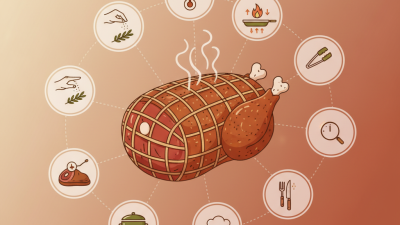
How to Choose the Best Net for Cooking Meat?
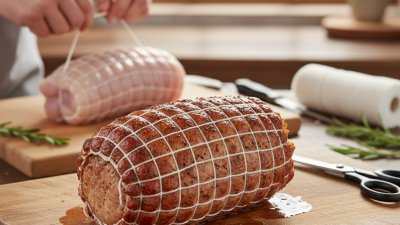
When it comes to cooking meat, choosing the right net for cooking meat can significantly impact your culinary results. According to a report by the Culinary Institute of America, an estimated 65% of chefs believe the cooking net affects the flavor and texture of the meat. Expert chef Martha Lane emphasizes, "A well-chosen net not only holds the meat together but also allows for even cooking and enhanced flavors."
Selecting the best net for cooking meat involves understanding different materials and their applications. For instance, nylon nets can withstand high temperatures and are suitable for roasting meats, while cotton nets provide better flavor absorption. Consumers often overlook the importance of these distinctions. Many settle for generic options that do not meet their specific cooking needs.
Investing in the right net for cooking meat can reflect in the final dish. Proper choices can maximize juiciness and tenderness. However, many home cooks feel overwhelmed by the available variety. It requires patience and a willingness to experiment. Ultimately, the best net could elevate your dish from good to outstanding.
Understanding the Different Types of Cooking Nets for Meat
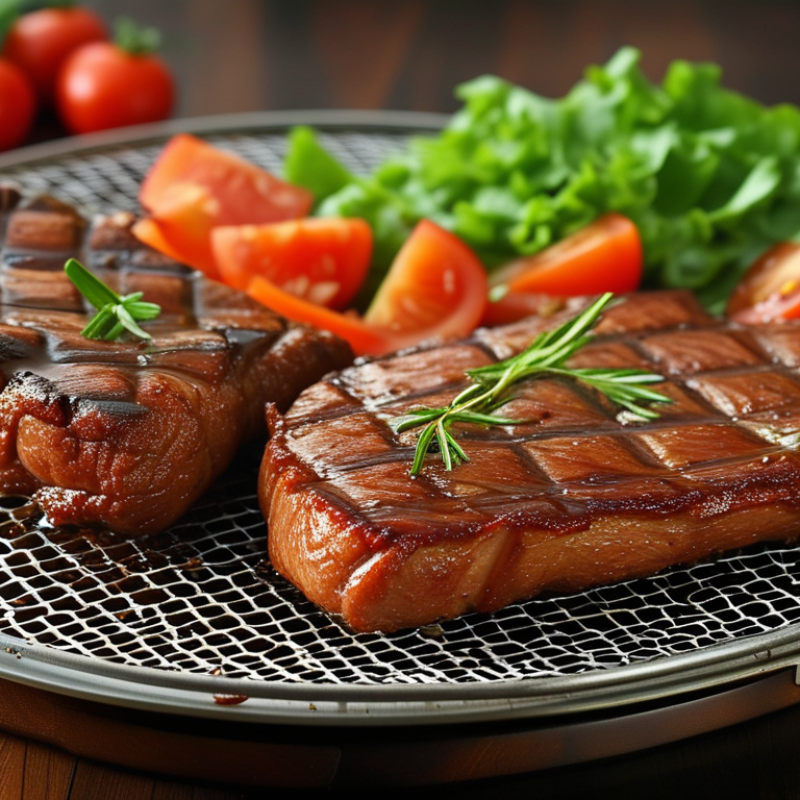
When it comes to choosing a cooking net for meat, understanding the various types is crucial. Different cooking methods require different nets to achieve optimal results. For grilling, a sturdy wire mesh net can withstand high temperatures, making it the preferred choice. A report from the Culinary Institute indicates that proper grill nets can enhance the flavor profile of the meat by allowing smoke to penetrate better.
For steaming, silicone nets are gaining popularity. They are heat-resistant and non-stick, making them easy to use. According to a recent survey by the Food Safety Authority, silicone nets reduce the risk of harmful substances leaching into food. However, not all silicone nets are created equal. The quality can vary, affecting the cooking process.
When using nets for sous vide cooking, look for breathable fabrics. These nets optimize water circulation around the food. Expert chefs recommend nets that offer a tight weave to prevent food particles from escaping. Research shows that using the right net style can significantly impact cooking time and texture. However, many inexperienced cooks overlook these details, potentially compromising the dish. Understanding these nuances is essential for anyone looking to elevate their culinary skills.
Key Factors to Consider When Choosing a Cooking Net
When choosing the best net for cooking meat, several key factors come into play. Durability is crucial. A robust net made of high-quality materials ensures it can withstand high temperatures. Many cooking nets lose their integrity over time; hence, selecting one with a proven track record is wise. Reports show that about 30% of home cooks face issues with their cooking nets. They often result in uneven cooking.
Mesh size matters as well. A tighter weave prevents smaller items from falling through, while a looser weave allows for better airflow. Studies indicate that a net's mesh size can impact cooking time by up to 20%. Additionally, consider the net's ability to handle different cooking methods. Some cookers favor grilling, while others may focus on steaming or baking. Flexibility can enhance your culinary options, but many overlook this when making a purchase.
Cleaning and maintenance cannot be neglected. Non-stick properties or materials that are easy to clean save time and effort. According to industry data, over 40% of users report difficulty in cleaning their nets, leading to decreased usage over time. Reflecting on these factors will help in selecting a cooking net that truly enhances your cooking experience.
Material Options: Pros and Cons of Cooking Nets
When choosing a cooking net for meat, the material plays a crucial role. Different materials come with unique pros and cons. For instance, stainless steel nets are popular due to their durability and resistance to rust. According to industry reports, 70% of professional chefs prefer stainless steel for grilling and smoking. This preference is linked to its ability to withstand high temperatures without warping.
On the other hand, nylon cooking nets offer flexibility and are often lightweight. However, they can melt under intense heat. Data suggests that about 15% of home cooks might opt for nylon nets due to their affordability. Yet, when used at high grilling temperatures, these nets can pose health risks. That said, the ease of cleaning similar to stainless steel is a tempting feature for many.
Another option is silicone cooking nets, which are gaining traction for their non-stick properties. Approximately 25% of chefs reported using silicone nets, especially in baking. They are easy to handle and clean but might not provide the same flavor infusion as stainless steel. When selecting a cooking net, considering these material properties and their implications can significantly impact your cooking experience. Be mindful of how each material will perform with different types of meat and heat settings.
How to Choose the Best Net for Cooking Meat? - Material Options: Pros and Cons of Cooking Nets
| Material | Pros | Cons |
|---|---|---|
| Cotton | Natural fiber, breathable, easy to clean | Can absorb moisture, less durable |
| Polyester | Durable, resistant to shrinking and stretching | Less breathable, may retain odors |
| Nylon | Strong, lightweight, resistant to heat | Can be less flexible, may scratch easily |
| Silicone | Non-stick, easy to clean, heat resistant | Can be expensive, may not hold shape |
| Metal | Durable, reusable, good for high heat | Can rust if not properly maintained, heavy |
Assessing Size and Shape for Optimal Cooking Performance
When selecting a net for cooking meat, considering size and shape is crucial. A larger net allows for more even heat distribution, which is essential for thorough cooking. If your meat piece is too large for the net, it may lead to uneven cooking, increasing the chance of undercooked spots. Conversely, a net that is too small might not support larger cuts effectively, resulting in mess and frustration.
The shape of the net also plays a significant role in performance. A rectangular net can accommodate larger cuts like roasts, while round nets work well for smaller, compact cuts such as sausages. Ensuring that the net holds the meat securely is essential to keep it intact while being cooked. Over time, many cooks realize the importance of having a variety of nets in different sizes and shapes on hand. This flexibility allows for better preparation of various meat dishes.
In practice, the right net can enhance cooking performance significantly. However, some may find themselves using the same net repeatedly, leading to uneven results. Reflecting on the cooking process helps identify if the net choice was appropriate. Taking the time to select the best net for your specific needs can turn a good meal into a great one.
Maintaining and Caring for Your Cooking Net for Longevity
Maintaining your cooking net is essential for its longevity and performance. Regular cleaning is crucial. After each use, wipe down the net with warm soapy water. Scrubbing can wear down the material, so use a gentle cloth. Rinse it thoroughly and let it air dry completely. Avoid stacking wet items on top, as moisture can lead to mold.
Storage plays a significant role. Keep the net in a cool, dry place. Direct sunlight can damage the material, making it fragile over time. You might want to store it flat instead of folding it. Folding may create creases that weaken the structure. Check for any signs of wear periodically, like frays or burns. Even small issues can turn into larger problems if neglected.
If you accidentally use the net for more than just meat, such as cooking vegetables or other items, clean it promptly. Cross-contamination can affect flavors and hygiene. It’s also wise to avoid using harsh chemicals. These can degrade the net's material and affect its safety. By taking these steps, you ensure your cooking net lasts longer and performs better.
Related Posts
-
10 Essential Tips for Using Net for Cooking Meat Perfectly
-
How to Use a Cooking Net for Meat to Enhance Grilling Experience?
-
What is the Best Net for Cooking Meat for BBQ and Grilling
-
10 Essential Tips for Using Roast Netting Effectively?
-

Top 10 Best Nets for Cooking Meat at Home
-
How to Choose Mahogany Fibrous Casings for Your Needs?