Top 10 Fibrous Cellulose Casing Suppliers Worldwide
The global sausage industry is becoming more technical, traceable, and quality-focused. A casing now affects appearance, smoke absorption, portion control, and production efficiency.
FAO’s World Food and Agriculture Statistical Yearbook 2023 recorded approximately 361 million tonnes of global meat production in 2022. This scale supports continued demand for reliable sausage casings. Industry reports from Smithers and MarketsandMarkets also identify food safety, convenience foods, and automated processing as major packaging trends. These pressures make fibrous cellulose casing an important option for manufacturers producing salami, summer sausage, and smoked meat products.
This guide examines ten leading fibrous cellulose casing suppliers worldwide. The evaluation considers product consistency, diameter availability, printing capability, smoke permeability, technical support, and regional distribution. Companies such as Viscofan, Viskase, Kalle, and other established specialists serve different production environments. Some focus on high-volume factories. Others offer more flexible solutions for specialized processors.
The details matter. A casing that peels cleanly can reduce waste beside a filling line. Stable sizing can also improve slicing and package weight control. Still, no supplier is best for every plant. Reported market shares are often difficult to compare, because companies disclose different product categories and regional figures. That limitation deserves attention.
Purchasing teams should confirm certificates, food-contact compliance, shelf-life data, and machine compatibility directly with each supplier. A polished brochure is not enough. Practical trials remain essential before large-scale adoption.
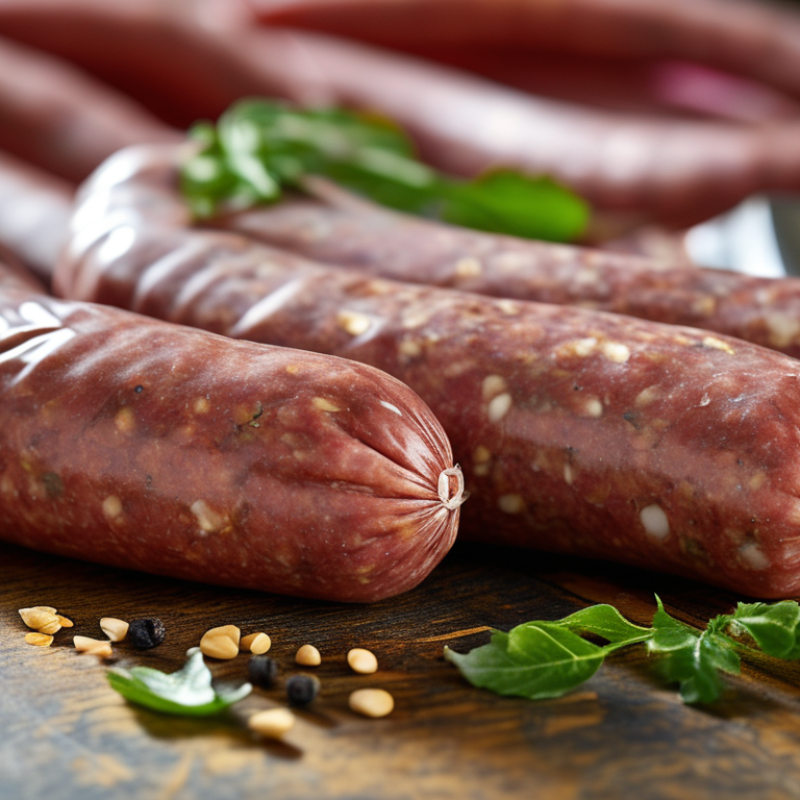
What Fibrous Cellulose Casings Are and How They Are Used
Fibrous cellulose casings combine a cellulose sheet with reinforcing fibers, creating a strong, uniform tube for processed meat products. They are usually non-edible and removed before serving. The casing supports filling, cooking, smoking, cooling, and transport without losing its shape.
In production, the casing absorbs smoke and allows controlled moisture movement. This helps develop color, aroma, and a firm surface during thermal processing. It also keeps sausage diameters consistent, which improves slicing and portion control. Larger casings often suit ham-style products, luncheon meats, smoked sausages, and selected dry-cured applications. The correct size matters. A loose casing may create wrinkles, while excessive stuffing can cause splitting.
Experienced processors check casing strength, permeability, moisture tolerance, and peeling performance before regular use. They also review food-contact documentation, storage conditions, and technical specifications from each supplier. Clean water usually softens the casing before stuffing, but soaking time should follow the supplier’s guidance. Small differences in temperature can change handling results. I have found that a casing performing well in one recipe may fail in another, especially when fat levels or cooking cycles change. Test batches remain necessary. Even careful teams can overlook humidity during storage, and that mistake may only appear during peeling.
Key Standards for Evaluating Global Casing Suppliers
Top 10 Fibrous Cellulose Casing Suppliers Worldwide
Key Standards for Evaluating Global Casing Suppliers
Choosing a fibrous cellulose casing supplier requires more than comparing prices. Food-contact compliance should be verified through current certificates and testing records. Check whether the supplier follows recognized quality systems, such as ISO 9001 and HACCP-based controls. Product specifications should cover diameter tolerance, moisture content, tensile strength, shrinkage, and burst resistance. These details affect filling speed, cooking performance, and finished appearance. Ask for batch traceability and a clear certificate of analysis. A polished brochure is not enough.
Tips: Request samples from different production lots. Test them on your own filling line. Record breakage, peeling, smoke penetration, and storage behavior. Small differences can become expensive during large runs. Review audit reports, but do not treat paperwork as proof of consistent performance.
Reliable suppliers explain their raw material sources and manufacturing controls. They should provide stable lead times, export documents, packaging details, and practical technical support. Environmental claims need evidence, including material declarations and waste-reduction data. Do not accept vague words like “green” without measurable standards. Communication quality also matters, especially when specifications change across regions. I would compare at least three suppliers before approval. Even then, my decision would remain conditional on repeat testing. One overlooked humidity issue can change casing performance.
Product Features, Manufacturing Strengths, and Regional Coverage
Top 10 Fibrous Cellulose Casing Suppliers Worldwide
Leading fibrous cellulose casing suppliers typically combine stable paper formation, controlled cellulose treatment, and precise sizing. Their products support sausage producers seeking consistent diameter, reliable filling performance, and clean smoke penetration. Some casings include strengthened fibers for high-speed production, while others prioritize flexibility for irregular shapes. The right choice depends on recipe, filling pressure, cooking conditions, and packaging equipment.
Manufacturing strength appears in practical details. Experienced producers monitor wall thickness, moisture balance, tensile strength, and reel quality during production. They may operate automated coating lines, laboratory testing systems, and batch traceability programs. Food-contact documentation should be current and specific to the intended market. A supplier with technical staff can also help adjust casing moisture before filling. Small differences matter.
Regional coverage is more than a distribution map. Suppliers serving Europe often emphasize documentation and standardized quality systems. North American operations may focus on rapid technical support and large-volume fulfillment. Asian manufacturing centers can offer broad production capacity and competitive lead times. Latin American, Middle Eastern, and African buyers may need flexible shipment planning and local application guidance. No supplier is equally strong everywhere. That gap deserves careful checking. Trial orders, production feedback, and independent quality records provide more reliable evidence than polished catalogs. Some comparisons remain imperfect because suppliers disclose different testing methods.
How to Compare Suppliers for Different Sausage Applications
Comparing fibrous cellulose casing suppliers starts with the sausage, not the price list. A smoked sausage may need strong smoke transfer and stable dimensions. A cooked sausage may require clean peeling after chilling. Dry sausages demand controlled moisture loss and dependable casing adhesion. These needs are different.
Ask suppliers for casing diameter tolerance, wall strength, shirred length, moisture range, and storage conditions. Check whether their specifications match your stuffing equipment. A casing that performs well at 25 millimeters may split at 60 millimeters under higher filling pressure. Request production samples, not only laboratory data. Run them on your own stuffer, linker, smokehouse, and peeling line. Record breakage, wrinkles, stuffing yield, and peel quality.
For smoked products, compare smoke penetration, color development, and cooking shrinkage. For emulsified sausages, observe surface smoothness and release after cooling. For fermented products, measure weight loss across several days. Supplier support matters here. Reliable teams should explain batch traceability, quality testing, complaint handling, and technical response times. Documentation should be clear. Vague answers are warning signs.
Price still matters, but a cheaper casing can increase rework and downtime. No supplier wins every trial. I have seen excellent casing fail when humidity control was poor. That detail is easy to miss. Compare suppliers using the same recipe, stuffing speed, thermal cycle, and storage period. Keep written trial results. A useful supplier accepts difficult feedback and adjusts specifications when evidence supports it.
Top 10 Fibrous Cellulose Casing Suppliers Worldwide — Comparing Casing Diameter by Sausage Application
Typical fibrous cellulose casing diameter ranges vary by product format. Use these ranges as a practical starting point when comparing supplier portfolios, customization options, and production compatibility.
Smaller diameters are commonly used for snack sticks, while larger diameters are typical for salami, luncheon meat, and cooked ham products. Final specifications should also consider smoke permeability, stuffing pressure, cooking process, peeling performance, and storage conditions.