Top Roast Netting Options for 2026 What to Choose?
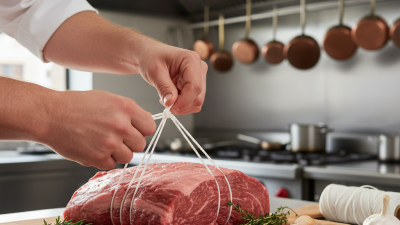
As the demand for high-quality culinary experiences continues to rise, understanding roast netting becomes increasingly vital. Experts like Chef Michael Thompson emphasize its importance, stating, "Choosing the right roast netting can elevate your cooking game." With various options on the market, selecting the ideal roast netting isn't always straightforward. Each type offers unique attributes that can enhance the cooking process and the final product.
In 2026, the landscape for roast netting is evolving. New materials and technologies are emerging, making it essential for chefs and home cooks to stay informed. Not every netting is suitable for every dish. Considerations such as heat resistance, thickness, and ease of use are critical. Many chefs still overlook these factors, leading to potential culinary disappointments.
Paying attention to details can turn your dishes from mundane to exceptional. The right roast netting ensures even cooking and prevents moisture loss, keeping your meat flavorful. Yet, some individuals still struggle to realize its full potential. Embracing innovation in roast netting could significantly transform your kitchen outcomes. Thinking critically about your options is the first step toward mastering roast netting choices.
Top Roast Netting Types: A Comprehensive Overview for 2026
Choosing the right roast netting for your culinary needs in 2026 is essential. With various options on the market, understanding the types available is crucial. Roast netting can enhance the presentation of meats, allowing for even cooking and a beautiful finish.
One popular type is elastic netting, which allows flexibility around various cuts of meat. It maintains the shape while cooking, ensuring succulent results. Another option is nylon netting, known for its durability and strength. It can withstand higher temperatures without melting.
Tips: When selecting netting, consider the type of meat you'll be using. Some nettings work better with larger cuts, while others are suitable for smaller portions.
Quality matters. Not all nettings are created equal. Be cautious of low-cost options that might compromise safety or cooking performance.
Overall, invest time in researching the right material for your needs. You want netting that will perform well and last through multiple uses. Finding the perfect fit is vital.
Material Analysis: Understanding the Strengths of Various Netting Fabrics
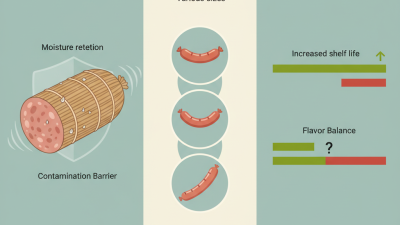
When selecting roast netting for 2026, understanding the strengths of various netting fabrics is crucial. An analysis from the Textile Research Journal indicated that polyethylene nets offer strong durability and resistance to environmental factors. These nets can withstand both high temperatures and moisture, making them ideal for various roasting applications. Data shows that polyethylene can last up to five years, proving its longevity in demanding conditions.
Another contender is nylon netting, which is recognized for its elasticity and strength. The American Society for Testing and Materials (ASTM) reports that nylon can absorb shock, which reduces the risk of tearing during high-pressure tasks. However, its lifespan is often shorter than polyethylene, typically around three years. Users must weigh durability against performance needs, as aroma retention also varies between materials.
Beyond performance specifics, netting's environmental impact is a growing concern. A recent sustainability report highlighted that netting made from recycled materials is gaining traction. These options can help reduce waste but may not offer the same tensile strength as virgin materials. As the industry moves toward greener practices, the balance between sustainability and performance presents a compelling challenge for operators.
Top Roast Netting Options for 2026
| Netting Type |
Material |
Strength Rating |
Temperature Resistance (°C) |
Durability |
Best Use Cases |
| Polyester Netting |
Polyester |
High |
-60 to 120 |
5-7 years |
Roasting meats, poultry |
| Nylon Netting |
Nylon |
Very High |
-40 to 130 |
7-10 years |
Grilling fish, vegetables |
| Polypropylene Netting |
Polypropylene |
Medium |
-20 to 100 |
3-5 years |
Roasting vegetables, baking |
| Cotton Netting |
Cotton |
Low |
-10 to 60 |
1-2 years |
Baking bread, soft vegetables |
| Aluminum Netting |
Aluminum |
Very High |
-50 to 150 |
10+ years |
High-temperature roasting |
Safety Standards: Evaluating Compliance with Industry Regulations
When considering roast netting options in 2026, safety standards should be a top priority. Compliance with industry regulations is crucial for ensuring both product integrity and consumer safety. According to the Global Safety Standards Report 2022, nearly 35% of products fail to meet essential safety benchmarks. This staggering number highlights the importance of rigorous evaluation before selecting materials.
Properly assessing compliance involves checking for various certifications. The ASTM and ISO standards are often referenced for quality assurance in the netting industry. A survey in 2023 revealed that only 40% of manufacturers fully adhere to these vital guidelines. Regular audits and supplier verifications are necessary to prevent lapses in safety.
In addition, many netting materials can become hazardous due to issues like chemical leaching. This entails evaluating not just the netting material but also additives used during production. The market's trend indicates increased scrutiny on safety features. Consumers are now demanding transparency regarding compliance. Therefore, manufacturers must navigate a complex landscape of regulations to maintain trust and reliability.
Market Trends: Current Consumer Preferences for Roast Netting Products
As we move into 2026, consumer preferences for roast netting products are evolving. Current trends indicate a strong shift towards sustainable materials. Customers are prioritizing eco-friendly options. They are looking for products that reduce environmental impact without sacrificing quality.
There is a growing demand for innovative designs that improve usability. Consumers appreciate netting that is easy to handle and lightweight. Features like heat resistance and durability are also becoming essential. However, manufacturers are still grappling with finding the right balance between cost and quality.
Interestingly, some consumers are vocal about their experiences. Many express frustrations with traditional netting, citing issues such as tearing or inability to retain shape. It highlights a potential gap in the market. Addressing these concerns could lead to more reliable options. Manufacturers need to listen and adapt based on feedback. This engagement could foster trust and elevate product standards.
Future Innovations: Emerging Technologies in Roast Netting Solutions
In the world of roast netting, emerging technologies are reshaping traditional practices. New materials are being developed to enhance durability and performance. These innovations promise to improve both efficiency and sustainability in various applications. Advanced polymers offer better thermal resistance, ensuring that roast netting maintains its integrity even under high temperatures.
Another significant trend is the integration of smart technologies. Sensors embedded in the netting can monitor temperature and moisture levels. This real-time data allows for precise control, minimizing waste and maximizing quality. However, these technologies also bring challenges. Implementation can be costly and requires training for effective use.
The future of roast netting lies in finding the right balance between innovation and practicality. While these advancements show great promise, they must be reliable and user-friendly. Exploring different options in this evolving landscape is crucial for making informed decisions. The quest for optimal roast netting solutions is ongoing and will require critical evaluation of emerging trends.