Top Trends in Fibrous Salami Casing for 2026 Buyers?

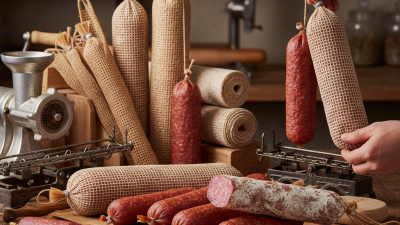
As we gaze toward 2026, the market for fibrous salami casing is poised for significant evolution. Buyers must navigate a landscape filled with innovation and shifting consumer preferences. The fibrous salami casing category is becoming increasingly crucial for meat processors and specialty food manufacturers. Its role in ensuring product quality and shelf life cannot be overstated.

Recent trends indicate a growing demand for sustainable and high-quality materials. New manufacturing techniques and advancements in design are emerging. These changes are reshaping how producers approach their fibrous salami casing requirements. Yet, there remain challenges in maintaining consistency and sourcing reliable supplies. Buyers must stay informed about these dynamics to ensure they make optimal choices.

In this evolving market, understanding the characteristics of fibrous salami casing is essential. The blend of tradition and modern technology offers unique advantages. However, potential buyers should critically assess their specific needs and the suppliers available. Awareness of these trends will help them avoid pitfalls and capitalize on opportunities as they arise.
Top Trends in Fibrous Salami Casing for 2026 Buyers?

Emerging Innovations in Fibrous Salami Casing for 2026 Market Trends

As the demand for fibrous salami casing grows, the market sees exciting innovations. One key trend is the use of biodegradable materials. These advancements align with sustainability goals, appealing to environmentally conscious consumers. Innovations in fiber density and stretchability are also emerging. They enhance durability while ensuring ease in handling during production.

Tips: When choosing fibrous casings, consider their moisture barrier properties. This can significantly impact shelf life. Also, educate yourself on the impact of casing thickness on flavor and texture retention.

Another noteworthy development is customization. Manufacturers now offer personalized designs, which can differentiate products on the shelf. This approach not only enhances branding but also caters to unique consumer preferences. Flexibility in sizing and shapes is beneficial for diverse product ranges.

Yet, it is crucial to reflect on the challenges of adopting new materials. The transition often requires adjustments in equipment and processes. Analyzing feedback from trial runs can provide valuable insights. Understanding these dynamics will play a pivotal role in successfully navigating the growing market.

Top Trends in Fibrous Salami Casing for 2026 Buyers

Sustainability Practices in the Production of Fibrous Salami Casings

Sustainability is becoming crucial in the production of fibrous salami casings. Buyers in 2026 will prioritize eco-friendly practices. Manufacturers are exploring biobased materials that reduce waste. These advancements help minimize environmental impact. Sustainable practices not only enhance product appeal but also attract conscious consumers.

Tips for choosing sustainable options: Look for suppliers who use renewable resources. Verify their waste management processes. Also, inquire about the sourcing of raw materials. Transparency is key in ensuring responsible production practices.

Another area to consider is energy efficiency in production. Companies are investing in renewable energy sources. This includes solar and wind power, further contributing to sustainability. Moreover, packaging innovations are on the rise. Reducing plastic use can greatly enhance sustainability efforts. Companies should actively seek to improve these aspects.

Top Trends in Fibrous Salami Casing for 2026 Buyers

Trend Description Impact on Sustainability Adoption Rate (%)
Biodegradable Materials Use of materials that decompose naturally, reducing landfill waste. High 45%
Recycled Materials Incorporating recycled plastics in casing production to reduce new plastic usage. Moderate 35%
Water-Saving Technologies Technologies that minimize water usage in the production process. High 50%
Energy-Efficient Production Innovative processes that use less energy, reducing the carbon footprint. Very High 60%
Transparent Supply Chains Traceability of materials used in production confirmed through ethical sourcing. High 70%

Consumer Preferences Shaping the Future of Salami Casing Choices

As consumer preferences evolve, the market for fibrous salami casings is witnessing significant shifts. Buyers today are increasingly seeking casings that enhance texture and flavor. Natural ingredients take precedence, reflecting a broader trend towards healthier options. More consumers are concerned about food additives, pushing manufacturers to explore cleaner alternatives.

Sustainability is another key focus. Eco-friendly sourcing processes are becoming essential. Many consumers are now asking about the environmental impact of their food choices. This growing awareness drives companies to improve their practices. However, some brands still lag behind, struggling to find the right balance between sustainability and cost.

Transparency in labeling is crucial. Buyers want to know what goes into their food products. Clear communication builds trust and encourages loyalty. Yet, despite these demands, some manufacturers still offer vague information. This inconsistency can lead to confusion. As the market progresses, the need for clarity and quality will become even more important.

Market Statistics: Growth Forecast for Fibrous Salami Casings by 2026

The fibrous salami casing market is projected to experience significant growth by 2026. Recent statistics indicate a surge in demand driven by both traditional and artisan producers. This growth reflects a broader trend where consumers increasingly seek high-quality cured meats. Fibrous casings offer unique benefits, such as improved texture and moisture retention, appealing to a discerning audience.

Producers are adapting to changing consumer preferences. More artisans are incorporating innovative flavors and natural ingredients. This shift is reshaping the market landscape. Moreover, sustainability practices are gaining traction. Companies are exploring biodegradable options. However, these advancements may require substantial investment. Some manufacturers might struggle to keep pace with innovation.

As buyers look towards 2026, understanding market dynamics becomes crucial. Keeping an eye on emerging trends can provide valuable insights. The growing focus on health and wellness may influence product offerings. Yet, not every strategy will succeed. Some may falter in their attempts to innovate or meet consumer expectations. Awareness of these challenges will inform better decision-making in the fibrous salami casing sector.

Technological Advances Enhancing the Quality of Fibrous Salami Casings

The evolving landscape of fibrous salami casings is largely driven by technological advances. Manufacturers are increasingly focusing on materials that enhance durability and versatility. New types of biopolymers are being introduced, offering a blend of strength and eco-friendliness. These innovations make the casings not only more resilient but also more appealing to environmentally conscious consumers.

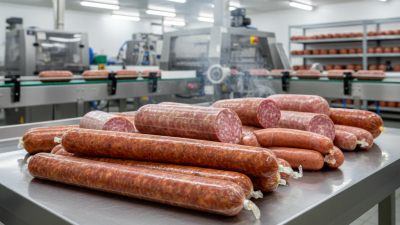
Quality control has significantly improved due to automation and smart technologies. Advanced monitoring systems can detect flaws in real-time, reducing waste and ensuring a consistent product. However, these systems are not without challenges. Integrating new technologies requires retraining staff and adapting existing processes. Producers must balance efficiency with the traditional methods that many consumers prefer.

Customizability is another important trend. Buyers now seek unique casings to differentiate their products in the market. This demand drives innovation but also puts pressure on producers to deliver quickly. The challenge lies in maintaining quality while meeting tight deadlines. As technology enhances production speed, the need for quality assurance becomes even more critical.

We are using cookies on our website

Please confirm, if you accept our tracking cookies. You can also decline the tracking, so you can continue to visit our website without any data sent to third party services.