What Are Cellulose Casings for Hot Dogs?
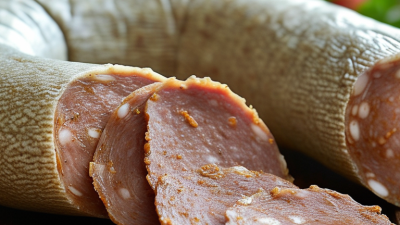
Cellulose casings for hot dogs are thin, food-grade tubes made from regenerated cellulose. They help form uniform links during stuffing, cooking, smoking, and cooling. Unlike natural casings, they are usually removed before eating. The result is the familiar smooth surface found on many commercial hot dogs.
Dr. Joseph Cordray, a respected meat scientist and sausage-processing educator, explains, “A casing is not merely packaging; it helps shape the product’s identity.” This observation matters on the production floor. A cellulose casing can support consistent diameter, controlled moisture movement, and clean smoke contact. It also allows processors to produce thousands of similar portions with fewer visible differences. That consistency is valuable.
It matters.
Behind the simple peel, several technical choices remain. Manufacturers must match casing diameter with batter expansion, cooking temperature, filling pressure, and cooling time. Poor control may cause wrinkles, weak seals, uneven color, or difficult peeling. These problems are not always caused by the casing alone. Formulation, equipment, and operator experience also influence the result.
Cellulose casings for hot dogs are not edible in the usual commercial application. Workers typically peel them after cooking, sometimes using automated systems. Consumers may never notice the casing, yet its performance affects texture, appearance, and yield. The comparison is not perfect. Some products use different casing technologies, and plant conditions vary widely. Reliable decisions require supplier specifications, validated processing trials, and proper food-safety controls. A useful introduction should therefore examine both the material’s benefits and its limitations, rather than treating cellulose as a universal solution.
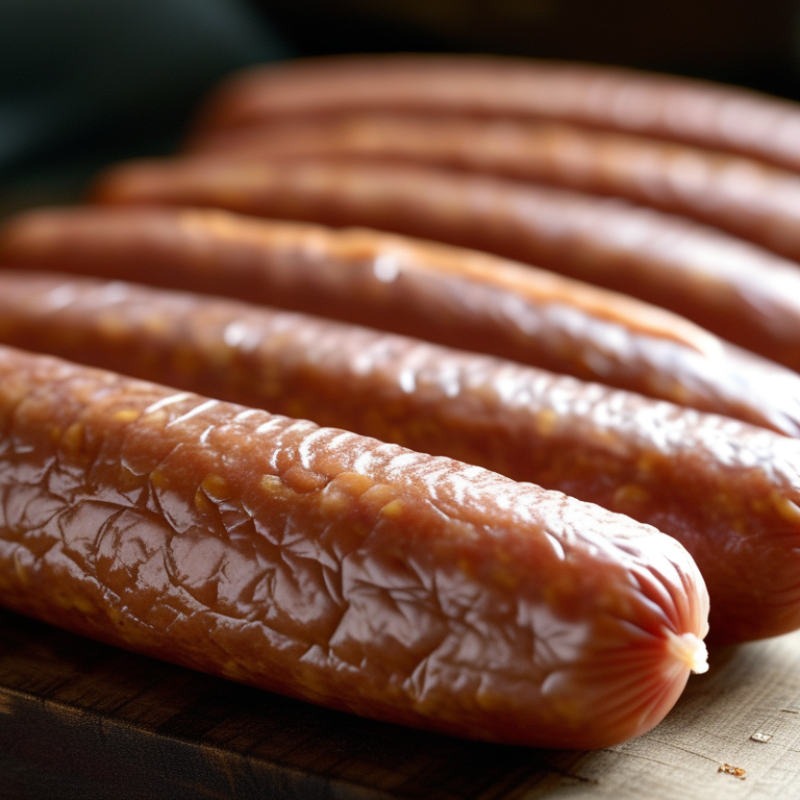
What Cellulose Casings Are Made Of
What Are Cellulose Casings for Hot Dogs?
Cellulose casings are manufactured skins used to shape many hot dogs and cooked sausages. They are not made from animal intestines. Their main ingredient is purified cellulose, usually sourced from wood pulp or cotton linters. Cellulose is processed into a smooth, strong film. Water, glycerol, and other approved processing aids can improve flexibility and prevent cracking during stuffing.
The casing holds the meat mixture tightly while it is cooked. Steam and heat pass through efficiently. After cooking, machines usually peel the casing away. That is why cellulose casings are generally considered non-edible.
A 2024 industry market analysis estimates that cellulose sausage casings will grow at roughly 5% annually through the next decade. This growth reflects demand for uniform sizing and faster production, not necessarily better nutrition. That distinction matters. A casing can improve appearance without changing the sausage’s salt or fat content.
Tips: Check the package for “casing removed” or “skinless” wording. If the surface feels unusually tough, do not eat it. Cellulose is plant-based, but it is still a processing material. I would not treat “natural cellulose” as a complete quality guarantee. Manufacturers may use different films, additives, and peeling methods. USDA food-processing guidance also emphasizes controlled cooking and handling, since casing material does not make an improperly handled hot dog safe.
How Cellulose Casings Shape Hot Dogs
Cellulose casings are thin, plant-based films used to shape many hot dogs during production. They are not meant to be eaten. Instead, the casing acts like a temporary mold around a seasoned meat emulsion.
During stuffing, machines push the mixture into the casing at controlled pressure. This creates a consistent diameter and familiar rounded ends. Small pressure changes can produce wrinkles, air pockets, or uneven links. The casing keeps the filling compact while it moves through cooking equipment.
Heat changes the structure inside. As proteins set, the meat emulsion firms against the casing and keeps its smooth cylindrical form. Cellulose also allows controlled movement of smoke and moisture. This can influence color, aroma, and surface texture. It does not supply the final flavor by itself.
After cooking and chilling, manufacturers remove the casing mechanically. That step reveals a clean surface and similar shapes across the batch. A peeled hot dog may look naturally formed, but its geometry was carefully engineered. The casing also helps prevent filling loss, supports portion control, and reduces deformation during transport.
One detail is often missed: cellulose casing usually creates shape, not an edible snap. The bite comes mainly from the meat emulsion and its moisture balance. The process sounds simple, but it is not perfectly predictable. Temperature, stuffing tension, and cooling time still need close adjustment.
How Cellulose Casings Compare With Natural Casings
Cellulose casings are thin, regenerated-fiber tubes used to shape many hot dogs. They are non-edible and usually removed after cooking. Their smooth surface creates consistent diameter, weight, and portion control. That uniformity matters when factories produce millions of pieces daily. The North American Meat Institute reports that Americans consume about 20 billion hot dogs each year.
Natural casings come from cleaned animal intestines. They remain on the sausage and provide a noticeable snap during biting. Their uneven texture can make each hot dog feel more handmade. However, natural casings vary in size and may break during stuffing or cooking.
Cellulose casings usually tolerate high-speed processing better. They also allow smoke and heat to reach the meat evenly, although the casing itself is discarded.
The difference is easy to feel. Cellulose gives a smooth, firm bite. Natural casing gives a tighter pop.
USDA FSIS guidance emphasizes validated cooking controls for ready-to-eat meat products, regardless of casing type. Therefore, casing choice does not replace safe thermal processing. A 2024 Smithers report on meat and poultry packaging also identifies production efficiency and portion consistency as major packaging priorities. That supports cellulose in large-scale operations, but the report does not make it superior for every product.
I would not call natural casing automatically better. It can feel more authentic, yet it needs careful handling. Cellulose can look less traditional, but it performs predictably. The comparison remains imperfect because texture preferences differ, and processing equipment changes the final result.
Uses, Benefits, and Limitations of Cellulose Casings
Cellulose casings are thin, tube-shaped coverings made from regenerated plant fiber. They shape hot dogs during cooking, but they usually are not eaten. Manufacturers fill the casing with seasoned meat, then heat it in controlled chambers. The casing keeps the sausage straight and gives it a consistent diameter. After cooking, machines or workers remove the casing before packaging. Some products may use similar casings for smoked sausages and other formed meats.
The main benefit is reliable production. Cellulose casings tolerate heat, support moisture control, and help create a smooth surface. They also make high-volume processing more predictable. A peeled hot dog can look uniform, with a clean snap and fewer surface defects. From a food-safety perspective, the casing must be produced, stored, and handled under controlled sanitary conditions. Proper cooking still matters. The casing does not make an undercooked product safe.
Limitations become clear during handling. Cellulose casings are generally inedible, so removal adds labor, equipment, or packaging steps. They can tear when filled too aggressively, especially if the meat mixture contains rough particles or excessive air. They also do not provide the same bite as natural or edible casings. That difference matters to some consumers. Cellulose is useful, but not perfect. I would not treat visual uniformity as proof of better quality. Texture, ingredient control, temperature records, and clear labeling deserve equal attention. Small processing errors can still affect the final hot dog.