
2026 Best Aluminum Containers for Global Buyers Insights?

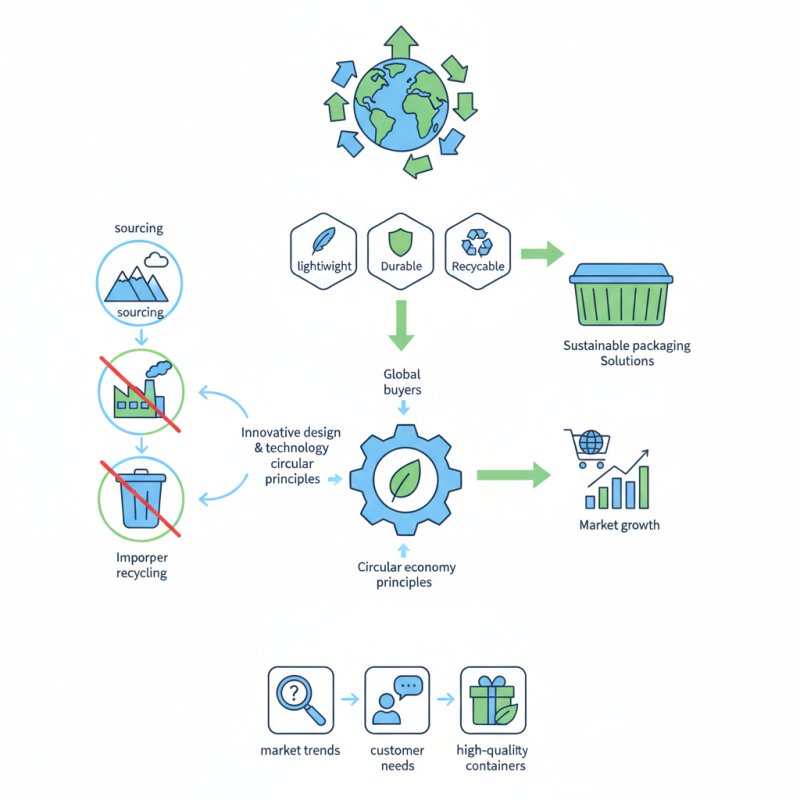
In recent years, the Aluminum Container market has witnessed significant growth. In 2022, the global aluminum container market was valued at approximately USD 95 billion. This growth is expected to continue as consumer preferences shift towards sustainable packaging solutions. Aluminum containers are favored for their lightweight nature, durability, and recyclability. The global push for eco-friendly products emphasizes these aspects.

However, the industry faces challenges. Concerns related to the sourcing of aluminum and energy-intensive production processes require attention. Improper recycling practices also need improvement to ensure sustainability. Industry experts highlight the importance of innovative design and technology in overcoming these issues. Companies are urged to adopt circular economy principles, promoting both efficiency and environmental responsibility.

As global buyers evaluate their options, knowledge and insights into the best aluminum containers are essential. Understanding market trends, customer needs, and regulatory frameworks can guide informed purchasing decisions. Industry reports suggest that staying updated is crucial for businesses to remain competitive. Ultimately, investing in high-quality aluminum containers aligns with the larger goal of sustainable practices in packaging.
2026 Best Aluminum Containers for Global Buyers Insights?

2026 Global Trends in Aluminum Container Manufacturing and Usage

The aluminum container industry is evolving rapidly. Analysts predict a growth rate of 4.5% annually through 2026. Factors driving this growth include sustainability and lightweight packaging needs. Companies are increasingly opting for aluminum due to its recyclable nature and low carbon footprint. In fact, over 75% of aluminum ever produced is still in use today, highlighting its longevity and efficiency.

Manufacturers are focusing on innovative designs and smart technologies. New advancements in production techniques are aiming to enhance durability and reduce costs, yet challenges remain. Balancing quality with sustainability presents ongoing hurdles. Some experts note that not all aluminum containers meet recycling standards effectively, leading to reduced efficiency in the circular economy.

Consumer preferences are changing too. There is a noticeable trend towards eco-friendly products. A report indicates that 60% of consumers prefer sustainable packaging options. This shift influences manufacturers to rethink their design strategies. However, the industry must address concerns about the aluminum extraction process. It is crucial for companies to adopt transparent practices to maintain consumer trust and support sustainable growth.

Market Analysis of Aluminum Containers: Demand and Supply Insights

The global aluminum container market is evolving rapidly. According to industry reports, the demand for aluminum containers is projected to grow at a CAGR of 4.5% from 2022 to 2026. This growth is driven by the beverage and food packaging sectors. Sustainability is a primary concern, pushing consumers towards recyclable options. Aluminum is lightweight and eco-friendly, making it a preferred choice.

Supply chain dynamics are complex. While demand is rising, the supply of raw materials fluctuates. Analysts note that bauxite availability can affect production costs. A significant increase in energy prices has also put pressure on manufacturers. This could potentially slow down the supply chain. Companies must adapt to these changes swiftly.

Regional variations play a role in market insights too. For instance, Asia-Pacific is leading in production capacity, while North America shows strong consumption rates. Understanding these nuances is essential for stakeholders. They must consider geopolitical factors that may disrupt supply chains. It's clear that while the aluminum container market shows promise, challenges await.

Key Applications of Aluminum Containers in Food and Beverage Industries

Aluminum containers have become essential in the food and beverage industries. Their lightweight nature and durability make them ideal for packaging a variety of products. These containers are highly resistant to corrosion and can withstand extreme temperatures. This is vital for preserving the quality of both hot and cold items.

In the ready-to-eat meal segment, aluminum containers offer convenience. Consumers can easily heat meals without transferring them to other dishes. This saves time and reduces cleanup. Despite these advantages, the environmental impact of aluminum production raises questions. Recycling aluminum is crucial. However, many consumers still do not recycle effectively.

Beverage packaging also benefits from aluminum containers. They provide excellent sealing properties, ensuring freshness. Yet, compared to glass and plastic options, aluminum's recyclability isn’t always clear to consumers. This creates an area for improvement in promoting sustainable practices. By focusing on education and accessibility, the industry can enhance the overall perception of aluminum as an eco-friendly option.

2026 Best Aluminum Containers for Global Buyers Insights

Container Type Size (ml) Weight (g) Typical Use Recyclability
Aluminum Cans 350 15 Soft Drinks Yes
Aluminum Trays 600 30 Prepared Foods Yes
Aluminum Foil Containers 250 25 Baked Goods Yes
Aluminum Pouches 500 20 Snacks Yes
Aluminum Jars 1000 50 Condiments Yes

Innovations in Aluminum Packaging: Sustainable Solutions and Technologies

Aluminum packaging has seen rapid innovations recently. Companies are focusing on sustainable solutions to meet global demands. These new technologies aim to reduce waste and promote recycling. Aluminum is highly recyclable, which is a significant advantage. However, challenges still exist. For instance, the energy needed for production remains high compared to other materials.


New techniques in aluminum container design are noteworthy. Lightweight options reduce transportation costs and carbon footprints. Some prototypes even incorporate biodegradable coatings. These improvements highlight the industry's commitment to sustainability. Yet, the implementation can be inconsistent across regions. Some companies struggle to balance cost and eco-friendliness.

Consumer awareness is also evolving. Shoppers increasingly seek environmentally responsible packaging. They expect brands to prioritize sustainability. However, not all brands meet these expectations. There's a gap in transparency about sourcing and production. This raises questions about true sustainability in aluminum packaging. Innovations must be coupled with accountability for genuine impact.

Comparative Cost Analysis: Aluminum Containers vs. Alternative Materials

Aluminum containers are gaining popularity for their durability and environmental advantages. However, a careful cost analysis reveals nuances that buyers must consider. While aluminum containers often appear more expensive initially, their long lifespan can lead to savings over time. They resist corrosion and can withstand extreme temperatures, making them suitable for diverse applications. This durability can offset perceptions of high costs, especially in industries requiring reliable packaging solutions.

In contrast, alternative materials may seem cheaper upfront but can have hidden costs. For instance, plastic containers are lightweight but can degrade quickly, leading to more frequent replacements. Cardboard offers eco-friendliness but often lacks moisture resistance, risking product integrity. These factors can complicate overall cost assessments. Buyers should reflect on their specific needs, including storage conditions and the nature of products they handle. This depth of understanding can help avoid pitfalls in material selection. Investing in quality aluminum containers can provide greater value and reliability in the long run.

We are using cookies on our website

Please confirm, if you accept our tracking cookies. You can also decline the tracking, so you can continue to visit our website without any data sent to third party services.