2026 Best Butchers Net Review for Quality Meat Products?
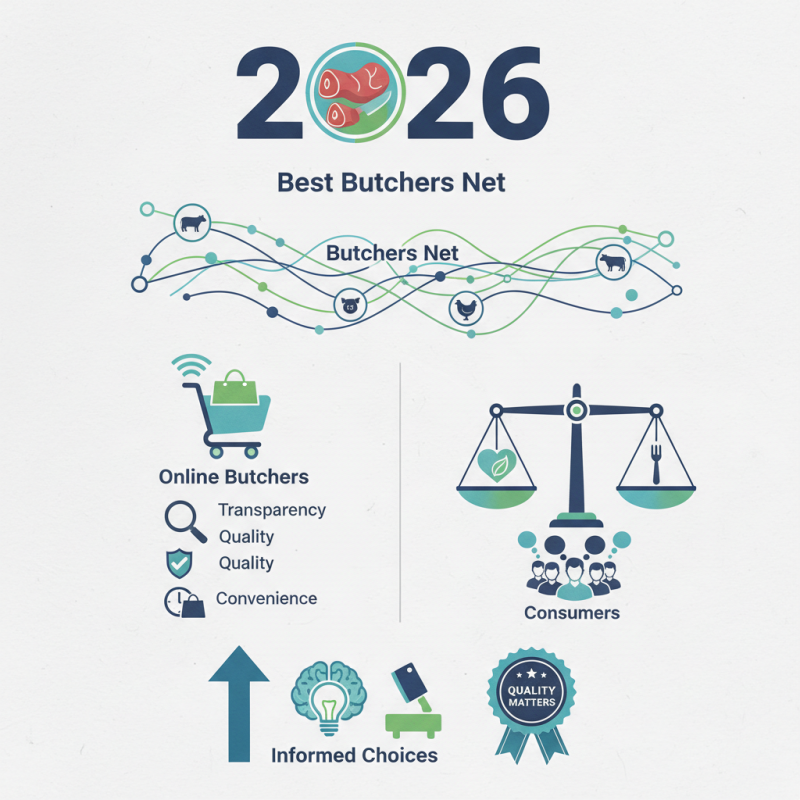
In the world of quality meat products, finding the best butchers net is essential. The rise of online butchers has transformed our meat purchasing experience. Consumers now demand transparency, quality, and convenience. As we explore the 2026 Best Butchers Net, we aim to uncover the finest choices available today.
Choosing the right butcher can be daunting. Many options claim to offer premium quality, but not all deliver. Customers seek trustworthy butchers who prioritize ethical sourcing and exceptional taste. A review of the best butchers net helps uncover reliable providers. Quality meats should not be a compromise, yet many buyers face challenges.
This exploration reflects the ongoing quest for high standards in meat products. It highlights the importance of informed choices. The butchers net is a valuable resource, yet selecting the right option can feel overwhelming. Each butcher has unique strengths and weaknesses. Knowing these enables consumers to make better decisions. Remember, quality matters.
Overview of the 2026 Best Butchers Net and Its Industry Impact
The 2026 Best Butchers Net is changing the landscape of meat products. A growing number of consumers now prioritize quality over price. According to industry reports, 75% of consumers are willing to pay more for premium meat. This shift highlights the rising demand for trusted sources of high-quality meat.
New standards are emerging in meat processing and sourcing. The focus is on animal welfare and sustainability. Experts project a growth rate of 5% in the organic meat sector in the next five years. However, questions remain about transparency in the supply chain. Some butchers grapple with compliance and traceability challenges.
The impact of Best Butchers Net is also seen in customer education. Many butchers are now offering workshops and tastings. This initiative builds community trust and loyalty. Yet, there are concerns about fluctuating meat prices due to market volatility. As the industry evolves, staying informed remains crucial for both butchers and consumers.
Quality Standards for Meat Products in the Butchery Industry
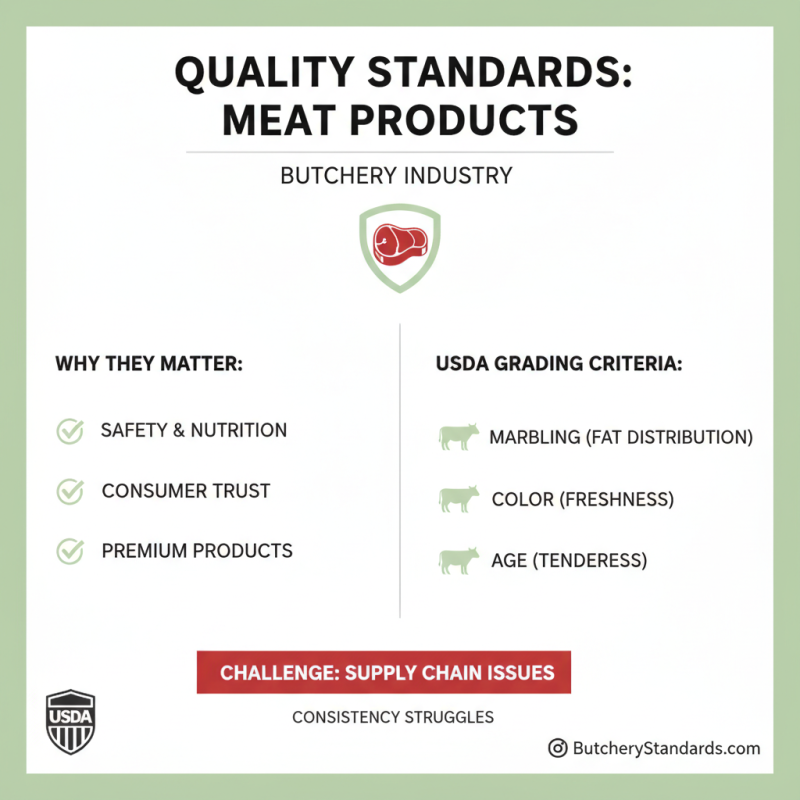
Quality standards in the butchery industry are vital for delivering safe and nutritious meat products. According to the USDA, meat must meet specific grading criteria, which includes factors like marbling, color, and age. Proper grading ensures consumers receive high-quality products. Yet, many butchers struggle to consistently meet these standards due to fluctuating supply chain issues.
Furthermore, it’s essential for butchers to maintain hygiene and safety protocols. The Centers for Disease Control and Prevention (CDC) reports that nearly 48 million Americans get foodborne illnesses each year. Consistent training and awareness are critical for butchers to reduce contamination risks. Sustainability also plays a role in quality standards, as consumers increasingly demand ethically sourced products.
Despite these challenges, a growing number of butchers are adopting traceability and transparency measures. They seek to showcase their commitment to quality. However, achieving this is not always straightforward, and ongoing education is necessary. The evolving landscape of meat consumption requires butchers to remain adaptable and proactive in maintaining rigorous quality standards.
Consumer Preferences and Trends in Quality Meat Selection
Consumer preferences in the meat industry are evolving. People want
high-quality, ethically sourced products.
Transparency is crucial. Shoppers seek information about where their meat comes from and how it’s raised.
This trend reflects a growing mindset focused on sustainability and animal welfare.
Local sourcing is popular among consumers. Many prefer to buy from local butchers rather than large chains.
This choice often guarantees fresher products.
Notably, customers are increasingly looking for specific cuts. They desire bespoke options tailored to their taste.
Price remains a factor but is often secondary to quality. Many are willing to pay more for
ethical and high-quality meat.
This shift challenges butchers to refine their offerings. They must stay informed about consumer desires.
However, imperfections in product availability can lead to disappointment.
Butchers may struggle to provide every requested cut. This area requires thoughtful adjustment and planning.
Key Metrics for Evaluating Butchers' Quality and Service Excellence
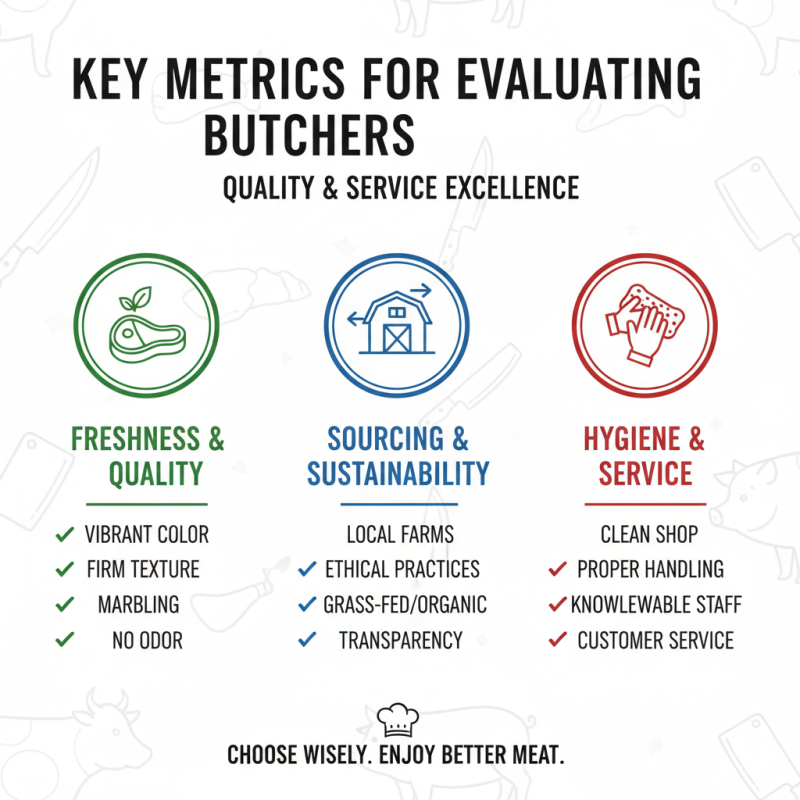
When evaluating butchers, several key metrics can guide your choice. Freshness is paramount. Quality meat should have a vibrant color and firm texture. Ask about the sourcing. Does the butcher prioritize local farms? This can indicate better quality and sustainability practices. Also, check for proper handling procedures. Cleanliness in the shop speaks volumes about their attention to detail.
Customer service is equally important. A knowledgeable butcher can provide tailored recommendations. Engaging with customers is crucial; it creates trust. Some butchers may excel in one area but falter in others. Evaluating them holistically ensures you get the best product and experience. Remember, a friendly chat can reveal a lot about their passion for meat.
Price often reflects quality. However, the most expensive option isn't always the best. Evaluate cuts and packaging. Is there a variety available? Transparency in pricing and product sourcing is vital for reliability. Strive to find a balance between cost and quality. It’s essential to reflect on the overall experience, even if some details may seem minor.
The Role of Sustainable Practices in Quality Meat Production
Sustainable practices are essential in quality meat production. Farming methods greatly affect animals and the environment. Many producers are adopting practices that prioritize animal welfare and lower ecological impact. These methods include rotational grazing, which improves soil health. Healthier soil leads to nutrient-rich grass. This not only benefits livestock but also the end consumer.
Animal feed used in sustainable farming is carefully sourced. It avoids harmful additives and promotes natural growth. This approach keeps livestock healthier and reduces the need for antibiotics. Improving animal health can result in better meat quality. Consumers increasingly value transparency in how their food is produced. They want to know where their meat comes from and how it was raised.
Sustainability is not without challenges. Some farms struggle with higher costs associated with eco-friendly practices. It often requires a shift in traditional methods, which can be met with resistance. Balancing profit and sustainable practices can be tricky. Experimentation and adaptation are key in this evolving landscape. Engaging with local communities can also provide valuable insights. Building a sustainable future in meat production requires collective effort and ongoing reflection on these practices.
2026 Best Butchers Net Review for Quality Meat Products
| Quality Rating | Type of Meat | Sourcing Practices | Sustainability Certification | Average Price per Pound |
|---|---|---|---|---|
| 4.8 | Grass-Fed Beef | Local Farms, Ethical Treatment | Certified Organic | $15.99 |
| 4.7 | Pasture-Raised Pork | Sustainable Farms, Non-GMO Feed | Animal Welfare Approved | $12.49 |
| 4.9 | Free-Range Chicken | Free-Roaming, No Antibiotics | Certified Human | $8.99 |
| 4.6 | Wild-Caught Salmon | Responsible Fishing Practices | MSC Certified | $22.99 |
| 4.5 | Organic Lamb | Ethically Farmed, Grass-Fed | USDA Organic | $18.99 |
Related Posts
-
Best Meat Nets for Perfect Grilling Results in Your Backyard
-
2026 Top Meat Nets Trends and Innovations in the Food Industry?
-
How to Use Elastic Meat Netting for Perfectly Wrapped Meats?
-

10 Essential Tips for Cooking Meat in Netting Successfully
-

How to Choose the Best Butchers Net for Your Meat Preparation Needs?
-

Top 10 Best Nets for Cooking Meat at Home