2026 Top Meat Nets Trends and Innovations in the Food Industry?

In recent years, the food industry has witnessed an innovative transformation, particularly in the realm of meat nets. As consumers demand sustainability and quality, the industry adapts. Industry expert Dr. Sarah Thompson asserts, "Meat nets are changing how we perceive meat packaging." Her insight encapsulates a shift toward more responsible consumption.

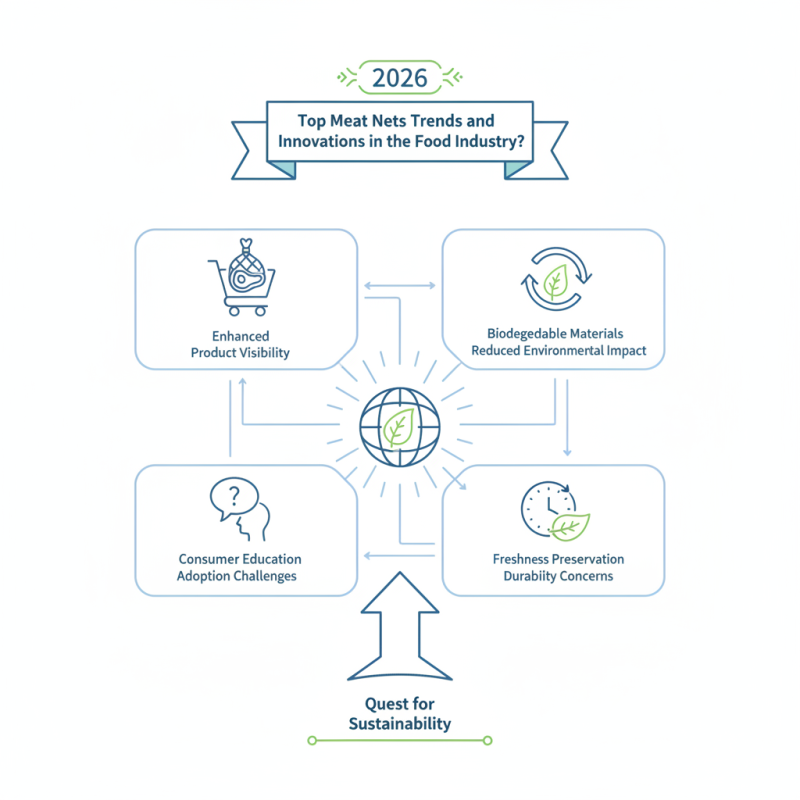
Meat nets offer a variety of benefits. They enhance product visibility while reducing environmental impact. In 2026, new trends will emerge, focusing on biodegradable materials. This innovation could alleviate the plastic crisis. The visual appeal of meat, packaged in clear, attractive nets, can also engage consumers. However, the effectiveness of these nets in preserving freshness is still under scrutiny.

While meat nets show promise, challenges remain. Adoption rates vary across regions. Consumer education is necessary to raise awareness. Some worry about the long-term durability of these materials. As the industry evolves, the conversation about meat nets must continue. It is essential to reflect on these advancements critically and strive for improvement in the quest for sustainability.
2026 Top Meat Nets Trends and Innovations in the Food Industry?

Emerging Alternative Proteins in the Meat Market for 2026

The demand for alternative proteins is rising sharply. By 2026, the alternative protein market is expected to reach $25 billion. Consumers are increasingly aware of health and environmental impacts. They seek new protein sources beyond traditional meat.

Plant-based proteins are evolving. Ingredients like pea protein and lentils are gaining traction. These options are not only healthier but also more sustainable. A report from the Good Food Institute indicates that plant-based sales grew by 27% in 2020 alone. Yet, some products still lack the taste and texture that meat lovers crave.

Cell-based meat is another area of interest. This technology can produce real meat without raising animals. However, it faces challenges, such as high production costs and regulatory hurdles. Surveys show that many consumers are hesitant about cell-based products due to a lack of awareness. Education will be crucial in overcoming these barriers. As the market evolves, more innovative solutions will be needed to meet consumer demands.
Innovative Processing Techniques Revolutionizing Meat Production

2026 Top Meat Nets Trends and Innovations in the Food Industry?

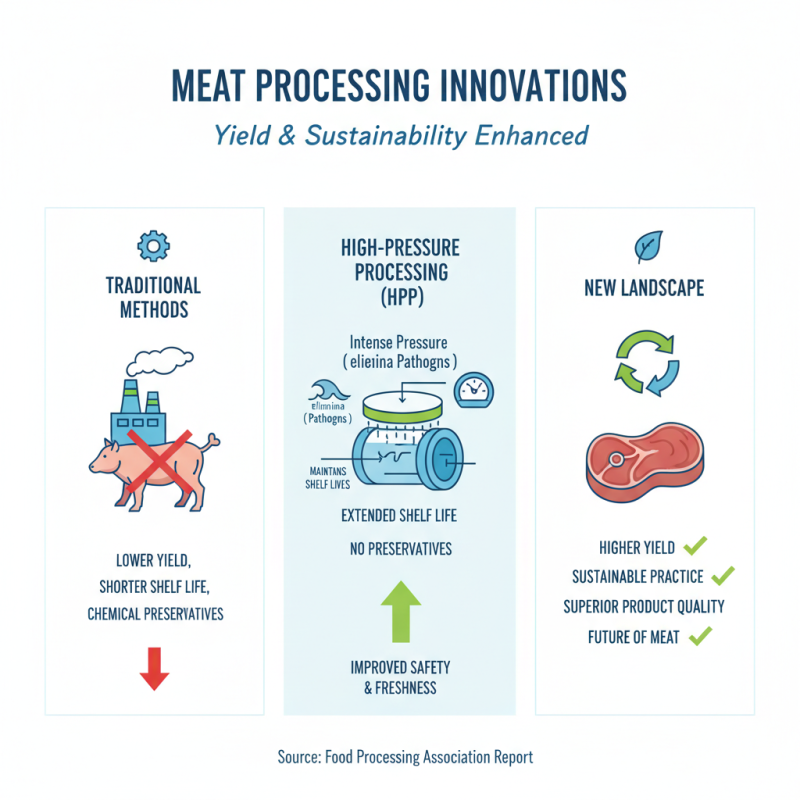
Innovative processing techniques are changing the landscape of meat production. According to a report from the Food Processing Association, advanced methods are enhancing yield and sustainability. High-pressure processing (HPP) is one such technique. It uses intense pressure to eliminate pathogens while maintaining meat quality. This method can extend shelf life without preservatives, improving safety and freshness.

Another emerging technology is precision fermentation. This technique allows for the creation of meat alternatives that mimic the taste and texture of animal products. A study by the International Meat Research Association highlighted that precision fermentation could reduce greenhouse gas emissions by up to 60%. However, this process hasn’t been widely adopted yet, raising questions about scalability and consumer acceptance.

Moreover, the integration of AI in quality control is noteworthy. AI systems analyze meat for consistency in texture and flavor. While promising, these technologies may lead to unforeseen challenges. For instance, automated systems can sometimes miss subtle discrepancies that human inspectors might catch. The food industry must navigate these innovations carefully to ensure they truly enhance production.

Sustainable Practices Impacting Meat Sourcing and Consumption

2026 Top Meat Nets Trends and Innovations in the Food Industry?

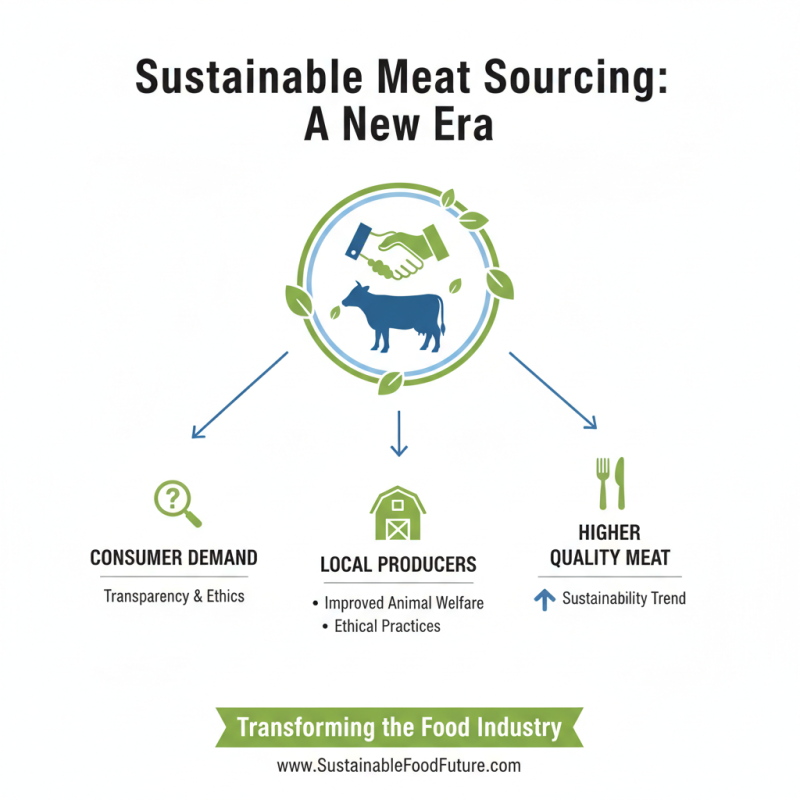
Sustainable practices in meat sourcing are transforming the food industry. More consumers are demanding transparency about where their meat comes from. This shift opens doors for local producers who prioritize ethical practices. These farmers often implement better animal welfare standards. This can lead to higher-quality meat, reflecting a clear trend toward sustainability.

Choosing local sources helps reduce carbon footprints. It also supports community economies, fostering stronger connections between consumers and farmers. This can be a great alternative to mass-produced meat. However, it is essential to research and understand these local practices. Not all farms are created equal. Some might claim sustainability while still cutting corners.

**Tips:** Look for certification labels that validate sustainable practices. Having conversations with local farmers can provide deeper insights into their methods. Always question sourcing practices; a bit of skepticism can drive positive change. Engaging with your food can lead to more informed choices and spur better industry standards.

Consumer Preferences Shaping Trends in Meat Product Offerings

Consumer preferences are rapidly changing how the food industry approaches meat products. Today's shoppers seek more than just flavor; they crave transparency and sustainability. Grass-fed options and ethically sourced meats are now in high demand. This shift pushes companies to rethink their sourcing methods.

Innovations in production processes are emerging in response to these preferences. Techniques like lab-grown meat and plant-based alternatives are gaining traction. Many consumers find these options appealing due to health concerns and environmental impacts. However, not all innovations resonate with everyone. Some feel uncertain about the taste and texture of these newer products.

The meat industry must navigate these complex consumer sentiments. Balancing tradition with innovation isn't easy. For some, the call for classic cuts remains strong. Yet, the demand for bold flavors and alternative proteins challenges the status quo. This ongoing tension will shape the future of meat offerings. The need for more dialogue between producers and consumers has never been more critical.

Technological Advancements in Meat Preservation and Packaging

The meat industry faces significant challenges in preservation and packaging. Technological advancements play a crucial role in addressing these issues. Innovative methods are emerging to extend shelf life while maintaining quality. According to recent industry reports, the global meat preservation market is projected to reach $50 billion by 2026. This growth is fueled by increased consumer demand for fresh and safe meat products.

New packaging technologies focus on vacuum sealing and modified atmosphere packaging. These methods help reduce spoilage and enhance flavor retention. However, not all solutions are perfect. Some packaging materials raise environmental concerns. The industry must strike a balance between effectiveness and sustainability.

Tips: Always check for signs of spoilage before consuming meat. Trust your senses. Explore local markets for fresher options. As we advance, learning and adapting to new technologies is vital. The transition can be challenging, but the rewards are worth the effort.

2026 Top Meat Nets Trends and Innovations in the Food Industry

Trend/Innovation Description Impact on Food Industry Projected Adoption Rate (%)
Smart Packaging Integration of sensors to monitor freshness and quality Improves spoilage tracking and reduces food waste 75%
High Pressure Processing (HPP) Non-thermal pasteurization method for meat preservation Enhances shelf life while preserving nutrition 60%
Plant-Based Meat Alternatives Meat substitutes made from plant proteins Offers sustainable options to reduce meat consumption 65%
Sustainable Packaging Solutions Biodegradable and recyclable materials for meat packaging Meets consumer demand for eco-friendly practices 70%
IoT in Meat Supply Chain Utilization of IoT devices for tracking and monitoring Enhances transparency and traceability in food safety 50%

We are using cookies on our website

Please confirm, if you accept our tracking cookies. You can also decline the tracking, so you can continue to visit our website without any data sent to third party services.