
What is an Aluminum Doors Manufacturer and Why Choose One?

Choosing an Aluminum Doors Manufacturer can seem overwhelming. There are many options available, and not all are created equal. Quality, design, and service can vary significantly. It’s essential to understand what sets a reliable manufacturer apart.

An Aluminum Doors Manufacturer provides products that blend durability with style. Their doors are lightweight yet strong, offering excellent security. These doors are also resistant to rust and corrosion, making them suitable for various climates.

However, not all manufacturers uphold high standards. Some may cut corners, compromising quality. Buyers should do thorough research. Read reviews and ask for references. It’s worth investing time to find a manufacturer that meets your needs and provides peace of mind.
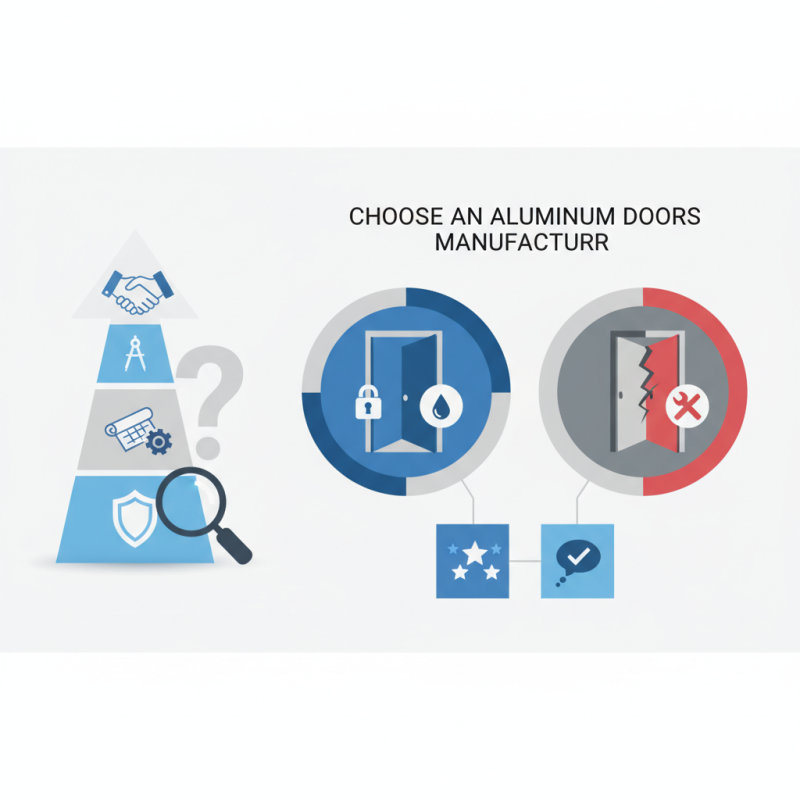
What is an Aluminum Doors Manufacturer and Why Choose One?

Understanding the Role of an Aluminum Doors Manufacturer

An aluminum doors manufacturer plays a crucial role in construction and architecture. This manufacturer specializes in producing high-quality aluminum doors. These doors are known for their durability and resistance to environmental elements. Many homes and commercial buildings benefit from using them. While they are promising, the selection of a supplier requires careful consideration.

One key aspect is the variety of designs available. Manufacturers often offer different styles and finishes. This range allows for customization to fit any aesthetic preference. However, not all manufacturers can provide the same level of quality. It’s essential to research the reputation of each supplier. Some may have inconsistent craftsmanship. This inconsistency can lead to installation issues or decreased longevity.

Another factor is energy efficiency. Many aluminum doors are designed to insulate well. Proper insulation can lead to lower energy bills. Unfortunately, some manufacturers neglect this important feature. This oversight may result in higher long-term costs for customers. Buyers should inquire about the energy ratings of their choices. Making an informed decision can save money and enhance comfort in the long run.

Key Features and Benefits of Aluminum Doors

Aluminum doors have become increasingly popular in residential and commercial spaces. They offer numerous advantages that many find appealing. One key feature is their durability. Unlike wooden doors, aluminum does not warp or rot. It stands up well against various weather conditions. You can rely on them for security and insulation.

Another important benefit is their low maintenance. A simple wipe with a damp cloth is often enough to keep them looking new. Many choose aluminum doors for their sleek, modern appearance. This can elevate the look of any property. Various colors and finishes allow for customization, which is essential for personal preferences.

However, there can be drawbacks. While they are strong, they can be prone to scratches. This may require additional care, or repainting over time. Not everyone considers the upfront costs, which can be higher than other materials. It’s essential to weigh these factors before deciding. Understanding both sides ensures a more informed choice.

Factors to Consider When Choosing an Aluminum Doors Manufacturer

Choosing the right aluminum doors manufacturer can significantly impact quality and performance. Key factors to consider include experience, reputation, and technology. The industry shows that manufacturers with over ten years of experience tend to offer superior products. Companies like these have better insights into market needs and advancements.

Consider the materials used in production. High-quality aluminum should be corrosion-resistant and durable. Some reports indicate that aluminum doors can last up to 30 years with proper care. Researching the types of finishes they provide is also vital. Options like powder coating can enhance longevity and aesthetics.

Tips: Always check customer reviews. Feedback from previous clients can reveal production quality. Visit a manufacturer’s facility if possible. This allows you to inspect the processes firsthand.

Communication plays a vital role too. The manufacturer should provide clear information about delivery timelines and pricing. A lack of transparency may indicate underlying issues. Don't rush your decision; take time to evaluate multiple options.

Comparison with Other Door Materials: Why Aluminum Stands Out

Aluminum doors possess unique advantages that set them apart from other materials. Unlike wood, aluminum does not warp or crack over time. This makes it a long-lasting option for both residential and commercial spaces. Aluminum doors resist rust, unlike steel. They maintain their appearance even in harsh weather conditions. Aesthetics can be a factor; aluminum doors come in various styles and finishes, offering flexibility in design.

While wood offers warmth, it requires constant upkeep. Steel doors, while strong, can dent easily and may need repainting. Aluminum doors, however, offer a sleek look with minimal maintenance. They can be designed to mimic other materials, but without the drawbacks. One might find that aluminum's insulation properties are not as high as wood. This could lead to higher energy costs in extreme climates. Still, the durability and low maintenance of aluminum make it a strong contender in the door market. Choosing aluminum means valuing both style and function in your entryway.

Comparison of Door Material Properties

The Manufacturing Process of Aluminum Doors: A Step-by-Step Guide

The manufacturing process of aluminum doors involves several crucial steps. Initially, raw aluminum is sourced and processed into sheets. The thickness of these sheets typically ranges from 1.2 to 2.5 mm, affecting the door's strength and durability. An industry report by Smith & Associates states that around 70% of aluminum doors have a lifespan of over 20 years when properly maintained.

Next, the aluminum sheets undergo cutting and shaping. Advanced CNC machines ensure precise dimensions. This stage requires careful planning. Errors can lead to wasted materials, affecting overall production costs. Recently, manufacturers have noted a 15% increase in efficiency with modern machinery.

Painting and finishing follow. Powder coating is popular for its durability and aesthetics. This method can reduce the need for frequent repainting, a significant benefit in commercial applications. However, consistency in finish quality can be a challenge. Manufacturers often face difficulties in achieving uniformity, which can affect brand reputation.

Tips:
1. Ensure proper maintenance of aluminum doors to maximize their lifespan.
2. Consider energy-efficient options to reduce utility costs.
3. Be cautious of finishes; slight variations can occur.

Choosing an aluminum door manufacturer is crucial. Understanding the complexity of the production process can help in making an informed decision.

What is an Aluminum Doors Manufacturer and Why Choose One? - The Manufacturing Process of Aluminum Doors: A Step-by-Step Guide

Process Step Description Materials Used Key Considerations
Design Creating initial designs and specifications based on client needs. CAD software, design templates Consult with clients for functionality and aesthetics.
Material Selection Choosing the appropriate aluminum alloys and other materials. Aluminum alloys, thermal insulation materials Consider strength, thermal performance, and cost.
Fabrication Cutting, shaping, and processing aluminum components. Cutting machines, CNC equipment Ensure precision to meet design specifications.
Assembly Joining the fabricated parts together into a complete door unit. Fasteners, adhesives Focus on structural integrity and alignment.
Finishing Applying surface treatments like anodizing or painting. Coatings, anodizing solutions Enhance durability and aesthetic appeal.
Quality Control Inspecting finished products for defects and adherence to standards. Quality assurance tools Final checks to ensure product reliability.

We are using cookies on our website

Please confirm, if you accept our tracking cookies. You can also decline the tracking, so you can continue to visit our website without any data sent to third party services.