What is the Average Price of a 20ft Refrigerated Container?
The market for refrigerated containers has become increasingly dynamic. Understanding the "20ft Refrigerated Container Price" is crucial for businesses in the logistics sector. John Peterson, a leading expert in the cold chain logistics industry, emphasizes, “The pricing of refrigerated containers is influenced by various factors, including demand and condition.”
Factors such as age, brand, and features significantly affect pricing. A new, high-quality unit will command a premium. In contrast, a used container may be more budget-friendly but could compromise efficiency. Buyers must weigh initial costs against long-term operational performance.
Awareness of market trends is vital. Prices fluctuate based on seasonal demand and global trade conditions. Potential buyers should conduct thorough research to get the best value for their investment. In this competitive market, making informed decisions can lead to significant savings and efficiency gains.
Understanding 20ft Refrigerated Containers and Their Purpose
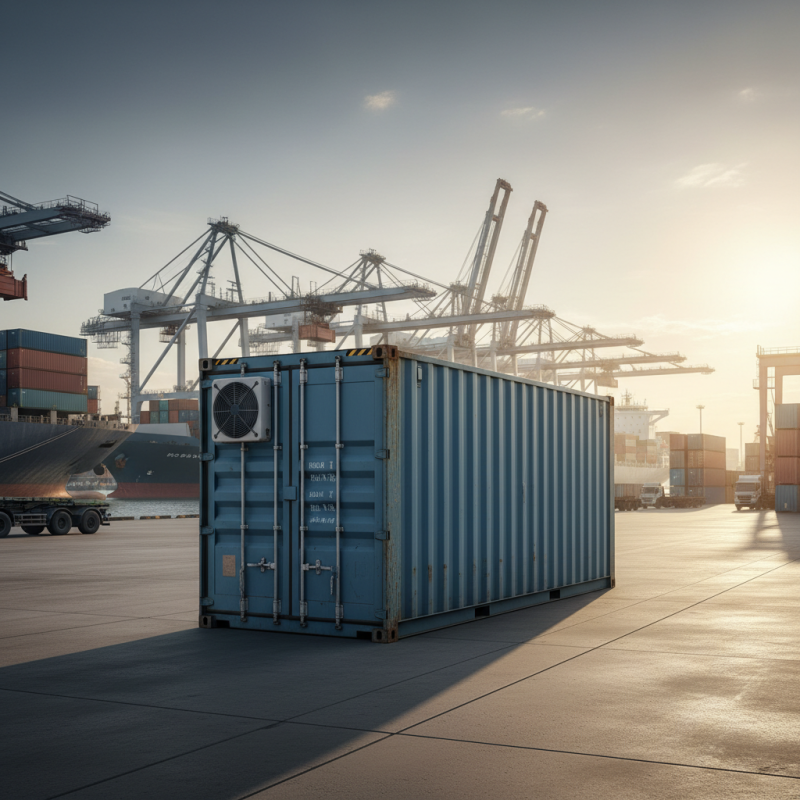
Refrigerated containers, often called reefer containers, play a critical role in logistics and transportation. These 20ft units are designed to maintain specific temperatures for perishable goods. They are essential for shipping food, pharmaceuticals, and any other temperature-sensitive products. Understanding their purpose can help businesses optimize their supply chains.
A 20ft refrigerated container can keep items frozen or chilled during transit. It utilizes a built-in refrigeration unit that can operate even in extreme weather conditions. Businesses rely on these containers to ensure that goods arrive fresh and in good condition. However, they may face challenges, including the need for regular maintenance and monitoring. Investing in reliable units and proper handling is crucial, yet many overlook these aspects.
Accessibility can also be an issue. Not every port or distribution center is equipped to handle refrigerated containers. This can create delays or increase costs. Moreover, the price of these containers can fluctuate based on demand and availability. It’s important for companies to evaluate their needs carefully and consider not just the upfront costs, but also the long-term benefits of maintaining product integrity.
Factors Influencing the Price of 20ft Refrigerated Containers
The price of a 20ft refrigerated container varies significantly based on multiple factors. One key factor is the container's age. New units typically cost between $3,000 and $6,000, while used units may range from $1,500 to $3,000. Condition plays a vital role here. A well-maintained used container can fetch a higher price than an older model in poor shape.
Another influencing factor is the shipping and transportation costs. Containers often incur additional fees when shipped internationally. Current reports indicate that shipping costs can vary widely, impacting overall pricing. Regional demand also affects price fluctuations. Areas with high demand might see prices soar. Conversely, in regions with lower demand, prices may stabilize or drop.
Customization options can also alter prices. Features like advanced temperature control, insulation quality, and energy efficiency motivate additional costs. Reports indicate that containers with superior insulation can save on energy, but upfront costs may increase. Understanding these variables is crucial for making informed purchasing decisions in today's market.
What is the Average Price of a 20ft Refrigerated Container? - Factors Influencing the Price of 20ft Refrigerated Containers
| Feature | Description | Average Price (USD) |
| New 20ft Refrigerated Container | A brand new refrigerated container designed for transporting perishable goods. | $4,500 - $6,000 |
| Used 20ft Refrigerated Container | A second-hand refrigerated container, which may show some signs of wear but still functions well. | $2,500 - $4,000 |
| Rental Price (Monthly) | Monthly rental price for a refrigerated container for temporary needs. | $300 - $600 |
| Maintenance Costs | Regular maintenance costs to ensure the container remains in good working condition. | $100 - $200 per year |
| Shipping Costs | Costs associated with shipping the container, varying by distance and logistics. | Varies widely - Estimate $1,000 - $3,000 depending on location |
Market Comparisons: Cost of New vs. Used Refrigerated Containers
When considering the cost of refrigerated containers, comparing new and used options is crucial. A new 20ft refrigerated container typically ranges from $15,000 to $30,000, depending on specifications. In contrast, used ones can be significantly cheaper, usually priced between $5,000 and $15,000. This price difference highlights the potential savings for budget-conscious buyers.
The quality of used containers can vary widely, making inspection essential. A 2022 report by the International Container Leasing Association indicated that nearly 30% of buyers preferred used containers due to cost. However, not all used containers are reliable, leading to unexpected maintenance costs. Buyers must carefully assess the condition and service history.
Market trends show that demand for refrigerated containers is high. Factors influencing price include the availability of materials and shipping costs. In 2023, reports indicate that shipping prices increased by 12% globally, impacting container prices. The choice between new and used containers often involves weighing initial savings against long-term reliability.
Average Price Range for 20ft Refrigerated Containers in 2023
In 2023, the average price range for a 20ft refrigerated container falls between $2,500 and $6,000. This fluctuation depends on several factors including supply chain conditions and container quality. Industry experts note that demand remains high due to increased shipping needs, especially for perishable goods. As a result, the market for refrigerated containers is dynamic.
A report from the Container Owners Association highlights that leasing options are also significant. Leasing prices can range from $150 to $400 per month. These rates can fluctuate based on usage duration and condition. Buyers should carefully assess their needs before committing to a purchase. Proper maintenance is crucial for preserving value and ensuring functionality over time.
However, potential buyers may face challenges. Availability can be inconsistent, especially during peak shipping seasons. Buyers might find older models that are less efficient. Investing in a more modern unit could prove beneficial long-term. Some older containers may require more frequent repairs, thus increasing overall costs. Evaluating both initial prices and long-term expenses is vital for making an informed decision.
Additional Costs Associated with Purchasing a Refrigerated Container
When considering a 20ft refrigerated container, it's vital to account for additional costs beyond the initial purchase price. Transporting the container to its destination typically incurs charges. Depending on the distance, these shipping fees can vary significantly. Local deliveries often cost less than international shipments.
Another important factor is maintenance and operational costs. Refrigerated containers require regular servicing to ensure they function properly. This may involve routine checks of refrigeration units, ensuring that the insulation is intact, and replacing parts as needed. These expenses can add up over time, affecting your total investment. Also, consider energy consumption. Running a refrigerated container can increase electricity costs, especially if the unit is used constantly.
Lastly, insurance costs shouldn't be overlooked. Insuring your refrigerated container helps protect against damage or theft. The rates depend on the container's value and your location. Understanding these additional costs is essential for making an informed decision when purchasing a refrigerated container.