Top 10 Benefits of Ham Netting for Global Buyers?
In the dynamic world of supply chain logistics, "ham netting" has emerged as a pivotal tool for global buyers. Renowned industry expert Dr. Jane Henderson states, “The efficiency of ham netting transforms logistics like never before.” This innovative approach provides numerous advantages, making it essential for businesses aiming to improve their efficiency.
Ham netting offers unique benefits that can enhance product protection during shipment. Its lightweight design allows for easy handling, which in turn can reduce shipping costs. This material is not only resilient but also environmentally friendly. Many buyers appreciate its sustainability aspect, as it minimizes waste in the long run.
However, some experts urge caution. Not all ham netting products are created equal. Quality can vary significantly. Research and due diligence are vital when selecting suppliers. Buyers must navigate this landscape carefully to avoid pitfalls. Ultimately, understanding the intricate benefits of ham netting can significantly impact supply chain success, encouraging informed decision-making and promoting sustainable practices.
Key Advantages of Ham Netting in International Trade
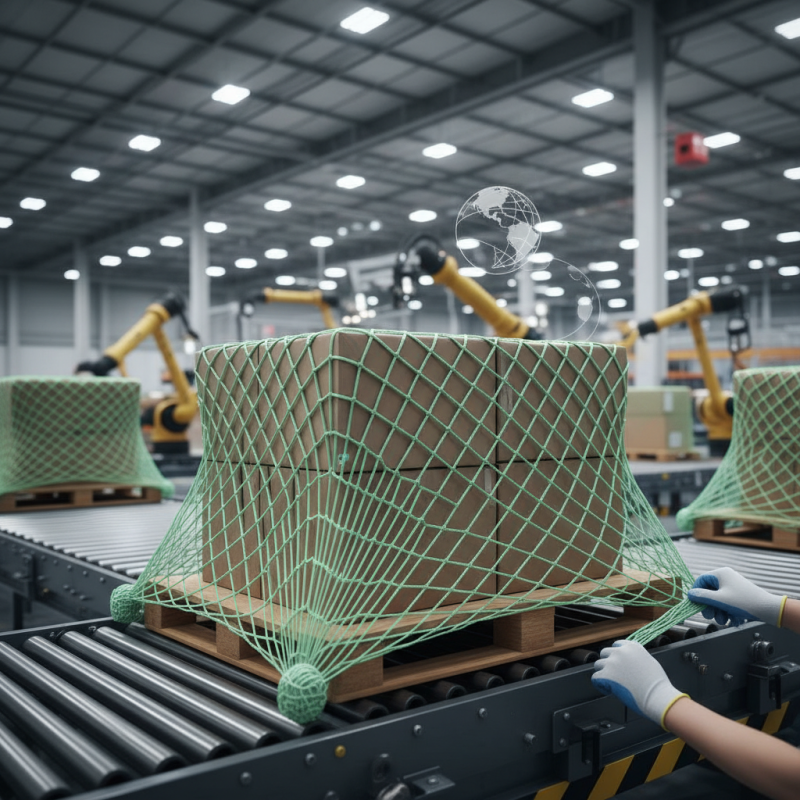
Ham netting has become a vital tool in international trade, particularly for global buyers. It offers several key advantages that make it indispensable. First, ham netting ensures product safety. By containing goods securely, it minimizes the risk of damage during transit. This is crucial for maintaining quality and reputation.
Another benefit is cost-effectiveness. Investing in ham netting can reduce the need for extensive packaging. This can lead to significant savings over time. Additionally, ham netting is eco-friendly. Many modern materials used are recyclable, appealing to environmentally conscious consumers.
Tips: Always evaluate the durability of ham netting. Not all netting is created equal. Choose options that provide the best protection for your specific goods. Additionally, consider local regulations regarding materials. Compliance can prevent costly issues.
Buyers should also assess the aesthetics of ham netting. While functionality is key, the appearance of packaging can influence customer perception. A well-presented product can attract more buyers. The balance between practicality and visual appeal is essential. Making the right choices can enhance brand presence in competitive markets.
Enhancing Product Quality with Ham Netting Solutions
Ham netting is a critical component in enhancing product quality for global buyers. This innovative solution preserves the integrity of ham during processing, transport, and storage. The breathable nature of ham netting allows for optimal airflow, preventing spoilage and ensuring the product’s freshness. Buyers benefit from improved shelf life and reduced waste, making ham more profitable.
Consider these tips when selecting ham netting. First, evaluate the size of the netting openings. Larger openings provide better airflow, while smaller ones can offer added protection. Secondly, look for nets that are both heat and cold resistant. This versatility helps maintain quality across different climates. Lastly, pay attention to the material. Durable, food-safe materials ensure safety and longevity.
While ham netting offers distinct advantages, it is essential to reflect on how it fits into your overall supply chain. Proper training for staff on handling products wrapped in netting can reduce risk. Understanding the limitations of netting is crucial too. It won't protect against all environmental factors, particularly when inadequate storage conditions are involved. Adaptability and cautious handling can help maximize the benefits of ham netting.
Cost-Effectiveness of Ham Netting for Global Suppliers
Ham netting offers significant cost-effectiveness for global suppliers, addressing both material expenses and supply chain efficiencies. According to recent industry reports, ham netting can reduce raw material costs by up to 30%. This reduction significantly impacts overall production costs, allowing suppliers to offer competitive pricing.
Moreover, ham netting minimizes waste during processing. An estimated 15% of products are usually lost due to inefficiencies. However, with optimal netting, this loss can decrease markedly. Enhancing production efficiency not only saves money but also elevates profit margins. Suppliers adopting these practices find themselves gaining a competitive edge.
Tips: Always evaluate the quality of ham netting. Low-cost options may not deliver the same efficiency. Suppliers should consider investing in durable materials. Collaboration among stakeholders can further streamline operations, leading to better outcomes. Taking these steps can provide significant long-term benefits.
Top 10 Benefits of Ham Netting for Global Buyers
| Benefit | Description | Cost-Effectiveness | Sustainability |
|---|---|---|---|
| 1. Enhanced Durability | Ham netting provides reliable protection and longevity. | Reduces replacement costs over time. | Contributes to lower material waste. |
| 2. Lightweight Design | Easy to handle and transport for suppliers. | Lowers shipping costs. | Less fuel consumption during transportation. |
| 3. Cost Savings | Reduces overall packaging costs for buyers. | Optimized material usage minimizes expenses. | Encourages sustainable sourcing practices. |
| 4. Versatility | Applicable across different industries beyond ham. | Enhances market reach without additional costs. | Improves resource allocation. |
| 5. Improved Efficiency | Speeds up the production process. | Increases output without major investments. | Reduces energy consumption during manufacturing. |
| 6. Better Product Presentation | Enhances visual appeal for consumers. | Boosts sales without significant extra costs. | Promotes eco-friendly branding. |
| 7. Customization Options | Various sizes and styles available for different needs. | Avoids overproduction and waste. | Encourages tailored sustainable solutions. |
| 8. Safety Features | Reduces risks of contamination and spoilage. | Minimizes potential loss due to damaged products. | Promotes responsible production practices. |
| 9. Global Reach | Supports distribution to international markets. | Broadens customer base and sales opportunities. | Encourages worldwide sustainable practices. |
| 10. Positive Supplier Relationships | Builds strong partnerships through reliability. | Fostering trust reduces transaction costs. | Leads to collaborative sustainability efforts. |
Sustainability Benefits of Using Ham Netting Products
Ham netting products provide significant sustainability benefits that appeal to global buyers. These items are often crafted from environmentally friendly materials. They contribute to reduced waste by being reusable and recyclable. This not only lessens the environmental footprint but also promotes a circular economy.
Using ham netting can also support local agriculture. Many manufacturers source materials from local farmers, reducing transport emissions. This practice fosters community connections and encourages sustainable farming practices. However, it is crucial to ensure that all sourced materials genuinely meet sustainability standards. Buyers must remain vigilant and seek transparency in product origins.
Additionally, the durability of ham netting is worth noting. High-quality netting minimizes the need for frequent replacements, leading to lower consumption rates over time. Yet, not all products on the market are made equally. Some may deteriorate faster than expected. It's important for buyers to evaluate the longevity of the materials thoroughly. Investing time in research can yield significant benefits for the environment and the customer.
Top 10 Benefits of Ham Netting for Global Buyers
Improving Supply Chain Efficiency Through Ham Netting Practices
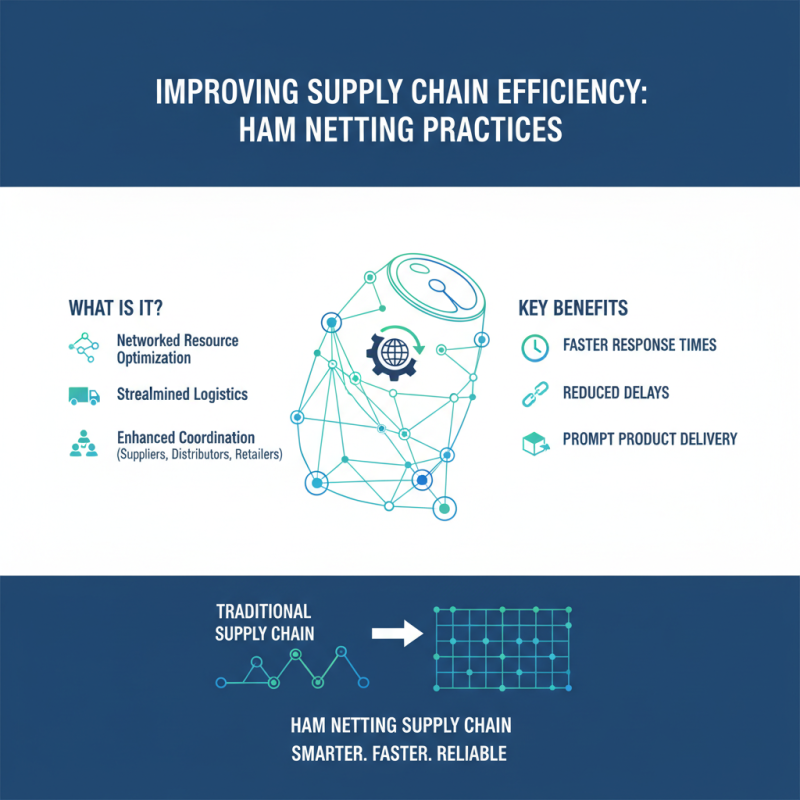
Ham netting has become a crucial practice for enhancing supply chain efficiency in today’s global market. By implementing this technique, businesses can streamline their logistics operations. Ham netting involves the use of networked approaches to optimize the allocation and usage of resources. This leads to improved coordination among suppliers, distributors, and retailers. Buyers benefit from faster response times, reducing delays and ensuring products reach their destinations promptly.
Utilizing ham netting also enhances transparency throughout the supply chain. With better visibility, stakeholders can track shipments in real-time. This helps in monitoring inventory levels and managing demand fluctuations. However, not every company fully embraces these technologies. Some struggle with the integration of new systems and processes. There is a need for ongoing training and development to build trust in data-driven decision-making. Additionally, logistical challenges may arise when scaling operations, thus requiring constant evaluation and adaptation.
By adopting ham netting practices, businesses may unlock better collaboration with their global partners. The resulting synergy can lead to cost savings and improved product quality. Nonetheless, companies must remain vigilant about addressing potential pitfalls. Achieving true supply chain efficiency is an ongoing journey that demands commitment and innovation.
Related Posts
-
Top 10 Benefits of Using Ham Netting for Your Business?
-
Best Pepper Lined Sausage Casings at 2026 Canton Fair?
-

What is Netted Meat and How to Make It at Home?
-

10 Best Tips for Using Cooking Meat Netting to Enhance Flavor and Presentation
-

How to Use a Net for Smoking Meat Effectively?
-

10 Essential Tips for Using Cellulose Casing in Sausage Making?