
Top Benefits of Matcha Powder in 2026 What You Need to Know

In 2026, Matcha Powder continues to gain popularity, driven by growing health trends. According to a recent market report by Grand View Research, the global matcha market size is expected to reach $4.83 billion by 2027, with a CAGR of 6.3%. This surge reflects a shift toward natural and wholesome beverages.

The vibrant green powder is renowned for its numerous health benefits. Matcha Powder is rich in antioxidants, particularly catechins, which can enhance metabolic rates. Studies indicate that matcha can potentially help in weight management and increase energy levels. Yet, it's essential to acknowledge that not all matcha is created equal. Quality can vary widely, which can impact benefits.

Consumer awareness is key as the popularity rises. Many overlook sourcing and preparation methods, which can dilute its advantages. Despite the commendable aspects of Matcha Powder, discerning choices remain critical. With mindful consumption and proper education, the potential of this superfood can truly be harnessed.
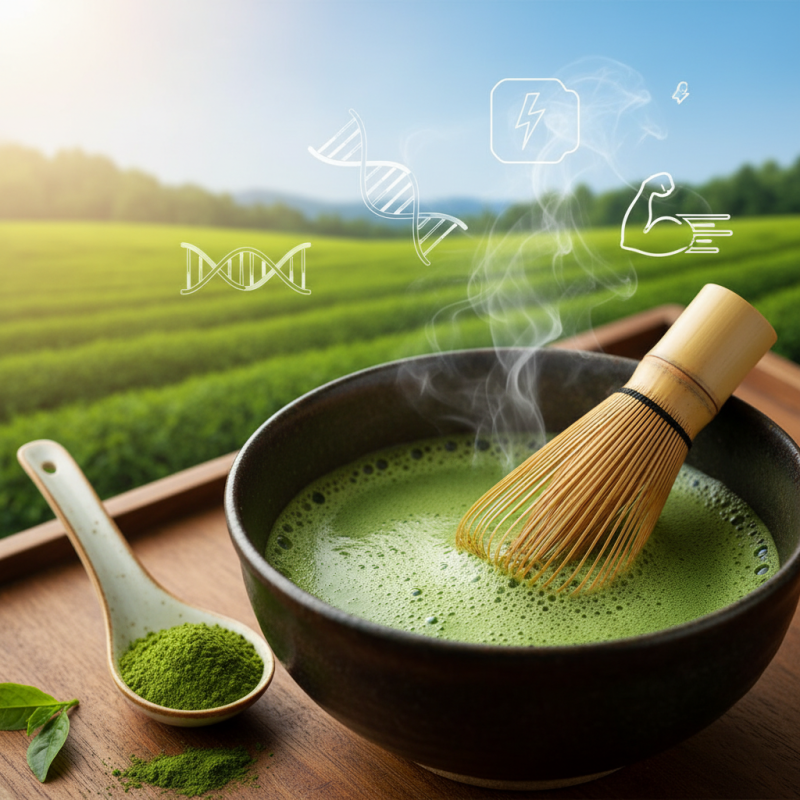
Top Benefits of Matcha Powder in 2026 What You Need to Know

Key Nutritional Components of Matcha Powder in 2026

Matcha powder has gained immense popularity due to its rich nutritional profile. A key component is L-theanine, an amino acid that promotes relaxation. It helps calm the mind without causing drowsiness. Consumers often seek these benefits for stress management in their fast-paced lives.

Another important element is the high concentration of antioxidants. These compounds help combat oxidative stress. Some might not be aware that matcha contains more antioxidants than regular green tea. It can support overall health through better immunity. However, some users may find that enjoying matcha isn't always a smooth experience.

For those exploring matcha, it's essential to consider its caffeine content. Unlike regular tea, matcha provides a stable energy boost. This can lead to jitters for some, particularly those sensitive to caffeine. Finding the right balance may require experimentation. Preparing matcha can be an art form, leading to unique tastes based on the brewing method. Always reflect on your body’s response to different preparations.

Top Nutritional Components of Matcha Powder in 2026

Health Benefits of Matcha Powder for Metabolism and Weight Management

Matcha powder has garnered attention for its unique health benefits, particularly in metabolism and weight management. This vibrant green powder comes from finely ground green tea leaves. It contains high levels of catechins, a type of antioxidant known to enhance metabolism. Regular consumption can lead to increased energy expenditure, which is essential for those managing weight.

Incorporating matcha into your routine can be simple. You might enjoy it in smoothies, lattes, or even baked goods. However, it’s essential to consider moderation. Overconsumption can lead to caffeine-related side effects like jitteriness or disrupted sleep. Listening to your body is key. Perhaps track how you feel after trying it for a week. This practice can help identify what works best for you.

Beyond metabolism, matcha's calming effects shouldn’t be overlooked. The amino acid L-theanine promotes relaxation without drowsiness. This can be a valuable balance in a weight management journey, as stress often leads to unhealthy eating habits. Reflecting on your habits is vital. How does stress affect your choices? Exploring these questions can lead to more mindful decisions.

Impact of Matcha Powder on Mental Clarity and Focus in 2026

Matcha powder has gained significant popularity for its potential benefits on mental clarity and focus. A report from the Global Wellness Institute found that over 70% of consumers are actively seeking natural ways to enhance cognitive function. This trend is likely to continue growing in 2026. Matcha's unique combination of L-theanine and caffeine may play a crucial role. Studies suggest that this blend can improve attention and reduce distractions.

In 2026, many are increasingly feeling overwhelmed. Digital distractions abound, leading to mental fatigue. Matcha powder could be a simple remedy. A 2023 study indicated that participants who consumed matcha showed notable improvements in memory tasks. It may be the answer for those struggling with focus. However, it’s essential to remember that not everyone responds the same way. Individual results can vary widely. Some might find it too stimulating, leading to jitters.

The ritual of preparing matcha can also influence mindfulness. The process requires attention and care. Engaging with this practice may contribute to overall mental wellness. It can be a moment of calm in a busy day. However, mixing matcha with sugary ingredients might counteract these benefits. Balance is key to maximizing its positive effects. People are encouraged to experiment and find what works best for them.

Matcha Powder as an Antioxidant Powerhouse: A 2026 Perspective

Matcha powder is celebrated for its vibrant green color and unique flavor. In 2026, many are discovering its benefits as an antioxidant powerhouse. This finely ground green tea contains high levels of catechins. These compounds help to neutralize free radicals, which can cause cellular damage. Drinking matcha may promote overall wellness and longevity.

Beyond its antioxidant properties, matcha offers a mental boost. The amino acid L-theanine in matcha promotes calmness and focus. Many report improved concentration after consuming matcha. However, it’s essential to balance consumption. Overindulgence can lead to jitters or insomnia. Listening to your body is key.

Not all matcha powders are created equal. Quality varies, and cheaper options may lack nutrients. Taking time to choose the right matcha can enhance the experience. Engaging with the tea ceremony enriches your appreciation, too. A moment of reflection is valuable when enjoying this special drink.

Sustainability and Sourcing of Matcha Powder in Contemporary Market Trends

In 2026, the conversation around matcha powder has evolved, especially regarding sustainability and sourcing. Today, consumers are more conscious than ever about the origins of their food. Matcha, a finely ground green tea, is no exception. The production process requires specific climate conditions, which can lead to environmental strain if not managed wisely.

Farms in Japan, primarily responsible for matcha, face challenges. Water scarcity and labor shortages are real issues. Many producers are exploring new methods to enhance sustainability. This includes practicing organic farming and ensuring fair labor practices. It’s essential for consumers to support such initiatives.

Tips: Look for certifications that signal sustainable practices. Seek brands that prioritize environmental responsibility. Always question where your matcha comes from. Transparency is key. Engaging with your source can lead to better choices. Remember, even small decisions in sourcing can lead to significant environmental impacts.

Top Benefits of Matcha Powder in 2026

Benefit Description Sourcing Sustainability Market Trends Consumer Awareness
Rich in Antioxidants Matcha is packed with antioxidants, which help combat oxidative stress and inflammation. Sourced from organic farms that practice regenerative agriculture to maintain soil health. Growing demand for premium quality matcha, with emphasis on origin and processing methods. Increased consumer interest in health benefits and sustainable sourcing.
Boosts Metabolism Matcha can enhance metabolic rate and promote fat burning during exercise. Transparent sourcing, with certifications verifying organic and fair-trade practices. Increase in lifestyle products incorporating matcha for weight management. Educational campaigns on the benefits of matcha in fitness and wellness contexts.
Enhances Focus The L-theanine in matcha promotes relaxation without drowsiness, enhancing mental clarity. Partnerships with farmers ensure sustainable harvesting practices that protect the environment. Rise in specialty beverages and snacks that incorporate matcha for cognitive benefits. Growing awareness of natural nootropics and their role in productivity.
Improves Heart Health Regular consumption of matcha may lower cholesterol and reduce the risk of heart disease. Supply chains are being optimized to minimize carbon footprint and waste. Consumer preference shifting towards products with health-boosting properties. Health-conscious consumers are actively seeking products that promote heart health.

Article Source:

We are using cookies on our website

Please confirm, if you accept our tracking cookies. You can also decline the tracking, so you can continue to visit our website without any data sent to third party services.