Best China Safety Helmet for Maximum Protection and Comfort?
In the realm of industrial safety, choosing the right protective gear is crucial. Among these, the China Safety Helmet stands out as a vital component. Industry reports indicate that head injuries are among the leading causes of workplace fatalities. According to the International Labor Organization, 317,000 fatal work-related accidents occur globally each year. A significant proportion of these injuries result from insufficient head protection.
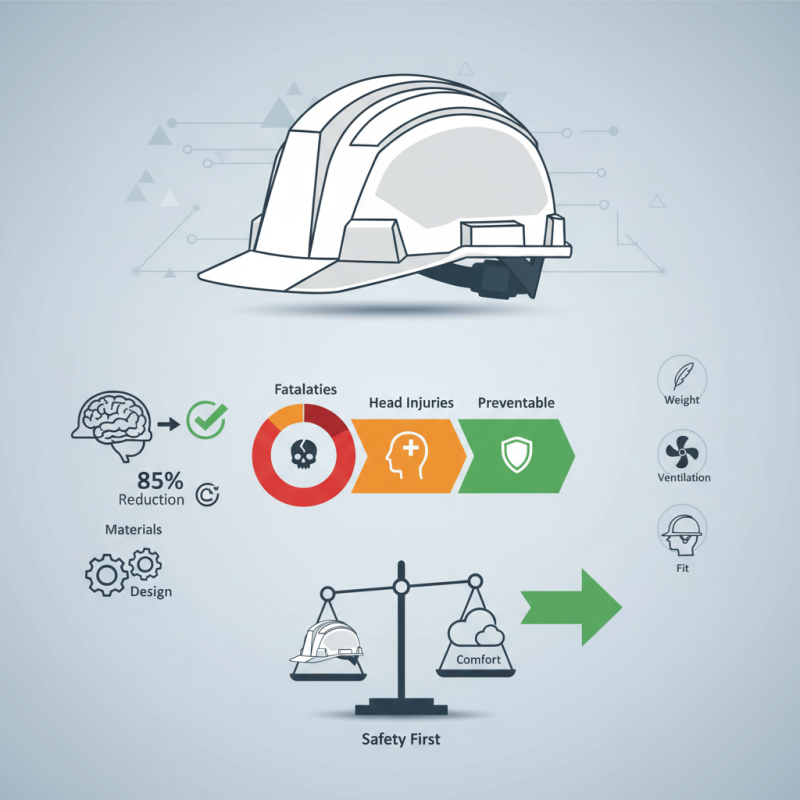
Chinese manufacturers have made strides in producing high-quality safety helmets. The adoption of advanced materials and designs enhances durability and comfort. Reports show that helmets with impact-resistant features can reduce brain injury risk by up to 85%. However, not all helmets meet these high standards. Some products on the market fail to provide adequate protection, leading to potential hazards for users.
Choosing the best China Safety Helmet requires careful consideration. Factors such as weight, ventilation, and fit are essential for maximizing comfort during extended use. The balance between safety and comfort is a challenge that many manufacturers continue to face. Thus, effective evaluation of helmets is necessary to ensure they truly protect workers in the field.
Best China Safety Helmet: Understanding Protection Standards and Regulations
When choosing a safety helmet in China, understanding protection standards is crucial. Helmets must comply with national regulations designed to safeguard users. These regulations cover impact resistance, penetration, and electrical insulation. A helmet that meets these standards offers assurance against workplace hazards.
The design and materials of safety helmets also play a role. Lightweight materials enhance comfort during extended use. Inner padding should provide a snug fit, ensuring that the helmet stays in place while allowing airflow. This balance is essential to reduce fatigue on long workdays.
However, not all helmets are equal. Some may pass basic tests but lack advanced features. It's important to consider the industry and specific risks involved. An inadequate helmet can lead to serious injuries. Regular inspections are necessary to ensure helmets remain effective. Choosing a helmet based on informed decisions leads to better protection and comfort.
Key Features of Safety Helmets for Optimal Comfort and Safety
When selecting a safety helmet, comfort and protection are paramount. A well-designed helmet should cater to your head's shape while providing an efficient fit. Look for adjustable chin straps, as they help secure the helmet in place during movement. Breathable materials enhance comfort by allowing airflow and reducing sweat buildup during extended use.
**Tips:** Always try on helmets before purchase. Check whether padding has enough thickness. This ensures a snug fit without compromising comfort.
Weight distribution is crucial. A lighter helmet reduces fatigue, especially during long hours of wear. Consider features like visor attachment points, which increase usability in varying environments. A good grip on the straps is essential to prevent slippage.
**Tips:** Inspect the helmet regularly for signs of wear. Even minor scratches could compromise safety. Remember to replace your helmet after any impact, regardless of visible damage.
Comparative Analysis: Materials Used in China's Top Safety Helmets
When it comes to safety helmets in China, the materials used can significantly impact both protection and comfort. Polycarbonate, fiberglass, and ABS plastic are among the most popular choices. These materials offer varying degrees of impact resistance and weight. For instance, polycarbonate is known for its excellent strength-to-weight ratio. Fiberglass, while heavier, provides outstanding durability. ABS plastic is affordable but may not perform as well under extreme impacts.
Choosing the right material is essential for comfort. A helmet made from lightweight materials will be less cumbersome during long hours of wear. Ventilation is another critical factor. Good airflow can reduce heat accumulation and increase wearability. An uncomfortable helmet can distract you from your tasks, impacting safety.
Tip: Always try on a helmet before purchasing. Make sure it fits snugly without being too tight. An ill-fitting helmet can compromise safety.
Tip: Look for helmets with adjustable headbands. This allows for a customized fit and added comfort. Check for additional features like removable padding for cleaning.
Not all helmets are created equal. Some may look robust but fail in rigorous testing. Research the certifications and reviews associated with each model. Personal experiences shared online can also provide valuable insights into comfort levels. Remember, a helmet that’s perfect for one person may not suit another, highlighting the need for personal preference in safety gear.
Industry Statistics: Helmet Efficacy in Preventing Head Injuries
When it comes to workplace safety, few items are as critical as helmets. Statistics show that protective headgear reduces the risk of serious injuries. Research indicates that helmets can prevent up to 85% of head injuries in construction and industrial settings. This demonstrates their vital role in safeguarding workers.
Many factors influence helmet effectiveness. For instance, helmet design can impact comfort and safety. A well-fitted helmet can significantly enhance focus and reduce distraction. In turn, this promotes a safer working environment. Users must know their helmet's specifications. Not all helmets are created equal. The right material and design will provide maximum protection.
Tips for Choosing a Helmet:
Ensure the helmet meets safety standards. Look for specific certifications that demonstrate compliance with safety norms. Pay attention to the fit; adjustability is essential for comfort. Consider weight as well. Lightweight helmets facilitate easier wear over long hours.
Reflect on your helmet's history. Regular maintenance and inspection of wear and tear can extend its life. Even a small crack can compromise its safety features. In evaluating helmet performance, rethink your choice if it fails to meet your needs. Always prioritize protection and comfort for better performance at work.
Choosing the Right Safety Helmet: Certifications and Performance Metrics
When selecting a safety helmet, understanding certifications is crucial. Different regions have varying standards. For instance, in China, the GB 2811 standard outlines the strength and durability requirements. Regulations help ensure helmets withstand impacts effectively. This is key for users exposed to workplace hazards.
Performance metrics are equally essential. The EN 397 standard addresses impact protection and electrical insulation. A helmet should absorb shocks, reducing injury risks. Research shows that proper fit improves overall safety. Studies indicate that helmets with a snug fit can reduce concussion risks by 50%.
However, it’s vital to recognize that not all helmets provide equal protection. There are instances of helmets failing during specific accidents, raising concerns about material quality and design. Comfort also cannot be overlooked; a heavy or poorly ventilated helmet can lead to fatigue. Users should test fit and comfort before reliance on the helmet's protective claims. Regular reviews and updates on helmet technology also foster better safety standards and practices.