Best Meat Nets for Perfect Grilling Results in Your Backyard
Grilling is an art that transforms ordinary gatherings into extraordinary culinary experiences. At the heart of achieving perfect grilling results lies one often-overlooked tool: meat nets. These versatile accessories not only help maintain the integrity and juiciness of your meats but also enhance their flavors and presentation on the grill. With a variety of options available, choosing the right meat nets can elevate your backyard barbecue to new heights, ensuring that each bite is as delicious as the last.
When it comes to grilling, the uniformity of cooking is crucial. Meat nets provide an effective solution for this by allowing for even heat distribution and preventing skewers or larger cuts of meat from falling apart during the cooking process. Whether you're roasting a whole chicken, grilling vegetables, or preparing delicate fish, meat nets create a secure and consistent environment that can withstand the rigors of high temperatures. As we explore the best options available for meat nets, it becomes clear that incorporating these tools into your grilling repertoire can lead to mouthwatering results and impresses your family and friends alike.

Best Types of Meat Nets for Grilling: A Comprehensive Overview
When it comes to achieving perfect grilling results, using the right type of meat net can make all the difference. There are several options available, each catering to different types of grilling and meat preparation. One popular choice is the mesh net, often made from durable materials that allow for even heat distribution. This type of netting is ideal for vegetables and smaller cuts of meat, providing the necessary support while also preventing items from falling through the grill grates.
Another excellent option is the heat-resistant silicone net. This type of meat net is flexible and easy to clean, making it suitable for various types of meats, from fish to poultry. Its non-stick surface ensures that food doesn't adhere during the cooking process, resulting in perfectly grilled steaks or tender chicken without the hassle of scraping residue off the grill. Opting for a net that complements your grilling style can elevate your backyard cooking experience and help achieve mouthwatering results.
Understanding the Benefits of Using Meat Nets for Even Cooking
Using meat nets during grilling can significantly enhance the cooking process, ensuring that each piece of meat is cooked evenly and to perfection. According to a report by the American Meat Institute, roughly 36% of consumers cite uneven cooking as a common issue when grilling. Meat nets help to keep the meat together, promoting uniform cooking by ensuring that heat circulates evenly around the entire piece. This not only helps to achieve consistent results but also reduces the risk of overcooking or drying out certain sections.
Additionally, studies have shown that using meat nets can improve the flavor and texture of grilled meats. A study published in the Journal of Culinary Science & Technology found that meats wrapped in nets retained moisture more effectively, leading to a juicier final product. By reducing the evaporation of juices during grilling, meat nets contribute to retaining essential flavors and nutrients, making each bite more satisfying. Furthermore, they can also facilitate easier handling and flipping of larger cuts of meat, allowing for a hassle-free grilling experience.
Industry Insights: How Meat Nets Improve Juiciness and Flavor Retention
When it comes to grilling, achieving the perfect balance of flavor and juiciness is paramount. One effective tool in this endeavor is the use of meat nets. By encasing meats in netting during the cooking process, heat is distributed evenly across the surface, allowing for consistent cooking without the risk of overcooking or drying out the outer layers. This technique not only enhances the tenderness of the meat but also creates a satisfying crust, trapping the natural juices inside and maximizing flavor retention.
Furthermore, meat nets can assist in infusing additional flavors into the meat. By securing herbs, spices, or even aromatics within the netting, these flavorful elements permeate the meat as it cooks, enhancing its overall taste profile. This method is particularly beneficial for larger cuts, which often require longer cooking times. The netting acts as a barrier, reducing moisture loss and ensuring that each bite remains succulent and packed with flavor. With meat nets, grill enthusiasts can elevate their outdoor cooking experience, ensuring each gathering is a celebration of delicious, juicy meat.
Juiciness and Flavor Retention in Grilled Meats with Different Meat Nets
Top Materials Used in Meat Nets and Their Impact on Grilling Performance
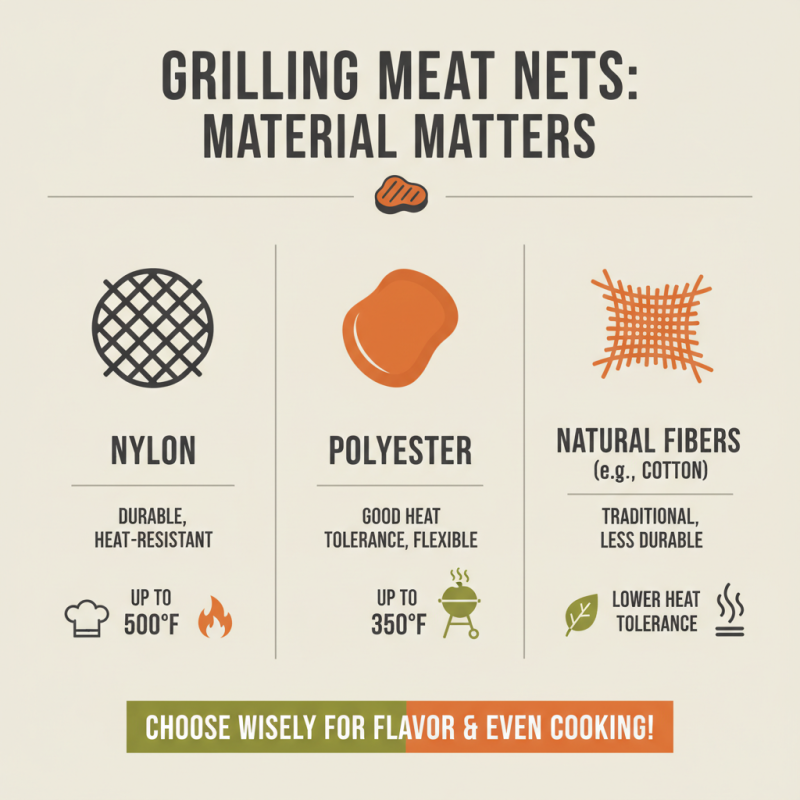
When it comes to grilling, the choice of material for meat nets can significantly influence the quality and flavor of the final product. Common materials used in meat nets include nylon, polyester, and natural fibers. Nylon is favored for its durability and resistance to high temperatures, which makes it an excellent option for intense grilling sessions. According to data from the Grill Masters Association, nylon nets can withstand temperatures up to 500°F, ensuring that they remain intact under high heat, thus aiding in even cooking and preventing shrinkage during the grilling process.
Polyester, on the other hand, is appreciated for its flexibility and ease of use. It can contour to various shapes and sizes of meat cuts, ensuring an even distribution of heat. Reports indicate that using polyester meat nets helps improve moisture retention by up to 15%, which is critical for achieving juicy and flavorful meat. Furthermore, natural fiber nets—often made from cotton or jute—are becoming popular among grilling enthusiasts, propelled by the growing movement towards eco-friendly grilling solutions. Studies show that these fibers can enhance flavor, as they are less likely to interfere with the meat’s natural taste.
Selecting the right type of meat net not only affects cooking performance but can also impact the overall grilling experience. Grilling professionals emphasize that the material should be chosen based on the specific cooking technique, whether it’s smoking, roasting, or direct grilling, to maximize both flavor absorption and heat distribution. Each material comes with unique benefits, and understanding these can help backyard grillers elevate their cooking game to achieve perfect grilling results every time.
Safety Standards: Ensuring Food Safety with Meat Nets During Grilling
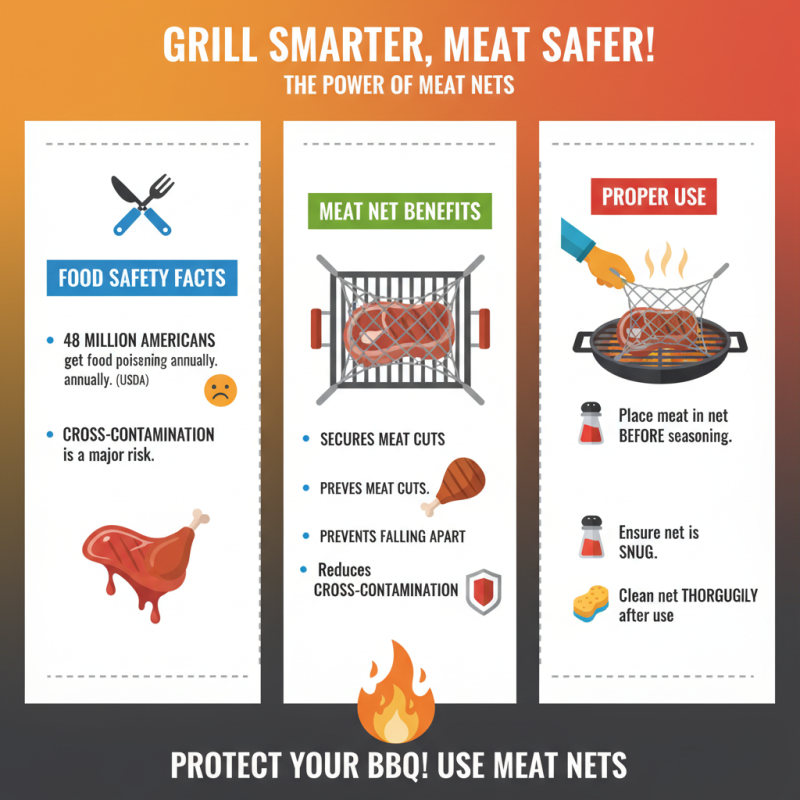
Grilling is a beloved outdoor activity, but food safety remains a crucial aspect of ensuring a successful barbecue. Meat nets play a vital role in this process, helping to secure meat cuts and prevent cross-contamination. According to the USDA, around 48 million people in the United States experience foodborne illnesses each year, underscoring the importance of proper grilling practices. Using meat nets appropriately can help maintain hygiene, reduce the risk of contamination, and ultimately lead to safer cooking conditions.
When selecting and using meat nets, it is essential to choose materials that meet safety standards for food contact. Look for nets that are made from FDA-approved materials which can withstand high cooking temperatures without breaking down. Before grilling, always wash your hands and any surfaces that have come into contact with raw meat. This simple practice can significantly minimize the risk of transferring harmful bacteria, such as Salmonella or E. coli, onto cooked items.
**Tip:** Ensure that meat is cooked to the appropriate internal temperature, which for most meats should be at least 165°F (75°C). Use a food thermometer to check, and remember to let the meat rest before serving, which can help in killing any remaining bacteria. By incorporating these practices, you can enhance the safety of your grilling experience while enjoying deliciously prepared meals.