10 Best Meat Nets for Perfectly Wrapped Meats?

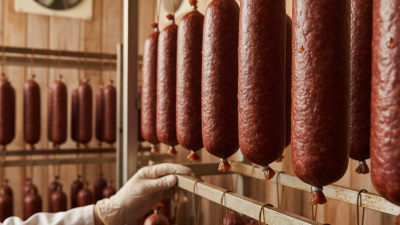
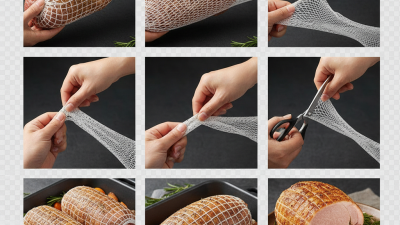
When it comes to cooking meats, presentation matters. One key element that enhances how meat looks and cooks is the use of meat nets. These handy tools provide support and encourage even cooking. They also help to keep ingredients intact during the cooking process.

Choosing the right meat nets can make a difference. Some nets avoid stretching, while others can withstand high temperatures. Still, not all meat nets are created equal. A poor choice may lead to uneven cooking or an unappealing outcome. It's frustrating to put in the effort, only to have the meat unravel.

Consider the size and type of meat you typically use. Different meats may require different types of nets. The texture and material of the net also play a vital role. While some nets offer great benefits, others may not meet your expectations. Careful selection is important to achieve the desired results. With the right meat nets, your dishes can shine like never before.
10 Best Meat Nets for Perfectly Wrapped Meats?

Understanding Meat Nets: Types and Uses

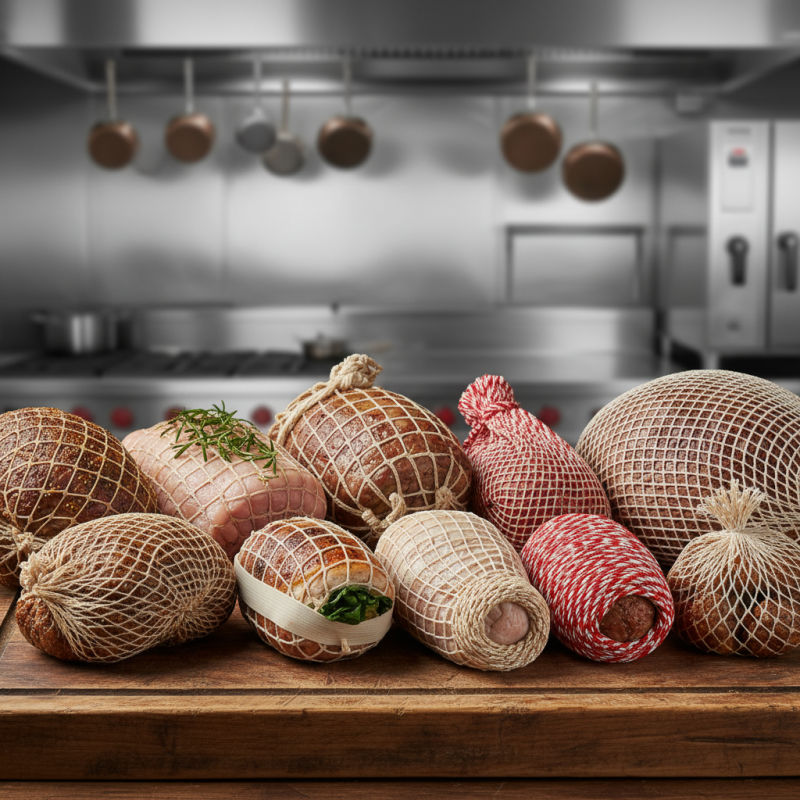
Meat nets are essential tools for butchers and home cooks alike. They come in various types, each designed for different purposes. The most common type is the elastic netting, which offers flexibility. It can conform easily to the shape of the meat, ensuring a snug fit. Another type is the mesh net, known for its durability. It provides excellent support for larger cuts, preventing them from losing form during cooking.

When selecting a meat net, consider the type of meat you'll be wrapping. Some meats might require a softer net to avoid damage. Others, like larger roasts, may need a more robust design. Thickness matters as well; a thicker net can withstand more tension but may not be suitable for delicate items.

Improper use of meat nets can lead to uneven cooking. Some cooks may wrap too tightly, causing the meat to cook unevenly. Others might not secure the ends properly, risking a mess during the cooking process. Observing how your meat responds can guide adjustments for better results.
Benefits of Using Meat Nets for Wrapping

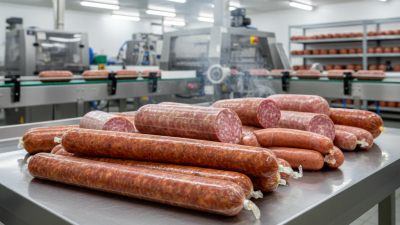
Using meat nets for wrapping can significantly enhance your cooking experience. They are designed to keep meat intact during cooking, ensuring an even heat distribution. This feature helps retain moisture and flavor, creating a juicier final product. You can use them for roasts, sausages, and even smaller cuts. The netting acts as a protective layer, preventing meat from drying out or losing its shape.

Visualize a perfectly roasted pork loin with a beautiful crust. The meat net holds everything in place, allowing you to achieve ideal cooking results. However, sometimes the net can constrict the meat too tightly. This could lead to uneven cooking or even unwanted textures. It's crucial to find a balance.

The ease of cleanup is another advantage. After cooking, simply remove the net, and your meat is ready to serve. However, sometimes bits of the net can cling to the meat, requiring more effort during cleanup. Overall, trying meat nets can be worthwhile, provided you pay attention to how tightly you wrap and the cooking time.

Top Features to Look for in Meat Nets

When selecting meat nets, certain features are essential for optimal performance. The right material should allow for effective stretching without tearing. Many professionals recommend nylon nets for their durability and flexibility. A recent report from the Food Packaging Association noted that 80% of butchers prefer nets that maintain their shape during cooking.

Mesh size is critical too. A tighter mesh can hold meat in place better but may restrict airflow. According to research, meats wrapped in tighter nets retain moisture and develop better flavors. However, this could lead to uneven cooking if not monitored, creating a need for careful consideration.

Another factor is the size of the net. They come in various lengths and thicknesses. It’s crucial to pick one that matches the size of your meat cut. Using nets that are too small can lead to mess and waste. An industry survey showed that 65% of chefs faced issues with improperly sized nets. This miscalculation reflects challenges often encountered in a busy kitchen. The objective is to find balance, ensuring both effective wrapping and cooking consistency.

10 Best Meat Nets for Perfectly Wrapped Meats

Feature Description Size Range Material Ideal For
Stretchability Allows for snug wrapping without tears. 12-40 inches Polyester/ nylon blend Roasts, hams, turkey
Heat Resistance Can withstand high cooking temperatures. 12-30 inches Synthetic fibers Grilling, smoking
Breathability Prevents moisture build-up. 10-50 inches Cotton mesh Curing, drying meats
Reusable Can be washed and used multiple times. Varies widely Food-grade silicone All meat types
Color Coding Different colors for different meat types. 12-36 inches Nylon Beef, pork, chicken
Easy to Use Pre-cut or easy-to-cut options. 16-40 inches Polypropylene Beginners, casual cooks
Strength High tensile strength for large cuts. 12-48 inches Braided nylon Large game meats
Flexibility Easily conforms to different shapes. 12-24 inches Elastane blend Custom meat shapes
Cost Effectiveness Affordable options for all budgets. 10-100 yards Mixed materials Economical home cooks

Review of the 10 Best Meat Nets on the Market

When wrapping meats, choosing the right net can make all the difference. The best meat nets ensure your cuts stay together during cooking. They help retain shape and moisture, enhancing flavor and texture. You can find various options available, from elastic types to those with a firmer hold.

Consider the size and type of meat you’re preparing. Some nets are better suited for larger cuts, while others work well with smaller pieces. Make sure the net fits snugly. A loose net might cause meat to fall apart. Always check the material to ensure it can withstand the heat of cooking. Quality nets help ensure consistent results, but even the best may have downsides. They could tear if not handled carefully or may not fit all shapes.

Tip: If you're struggling to wrap meat evenly, practice makes perfect. Experiment with different techniques. You might need to adjust the way you hold the meat. Sometimes, asking for help can lead to better results. Keep a close eye on cooking times and temperatures as well. Cooking meat consistently can help you perfect your technique.

How to Properly Use and Care for Meat Nets

10 Best Meat Nets for Perfectly Wrapped Meats?

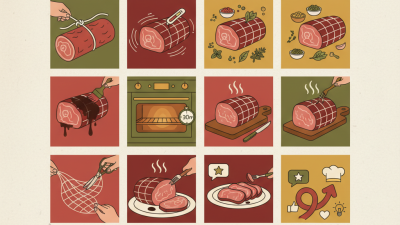
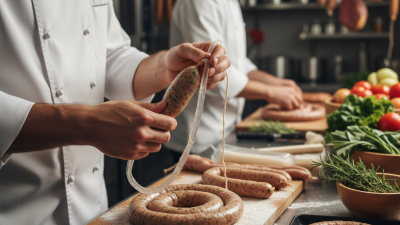
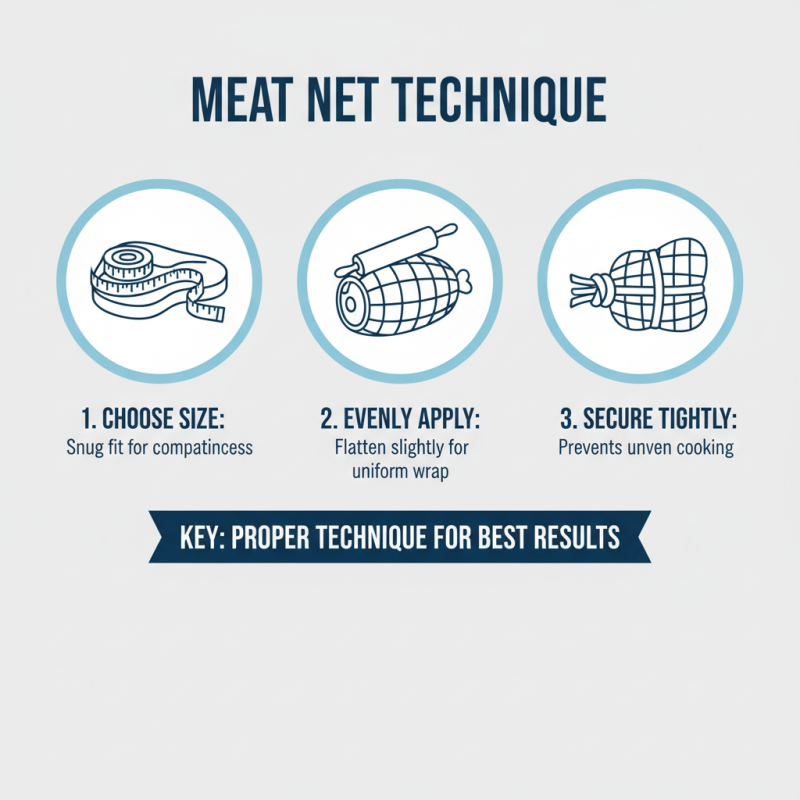
When using meat nets, the key is proper technique. Begin by selecting the right size net for your meat. A snug fit is essential to keep the meat compact during cooking. Place the net over the meat evenly. You can use a rolling pin to flatten it a bit, ensuring an even wrap. Secure the net tightly. Loose nets can lead to uneven cooking.

Caring for meat nets is straightforward. After use, rinse the net with warm water. Avoid harsh chemicals or excessive scrubbing. These can degrade the material. Air drying is important. It helps prevent mold and keeps the net in good condition. Remember to inspect your nets regularly. Look for any tears or damage that could affect your next cooking experience. Meat nets may require replacement sooner than expected if not well cared for.

We are using cookies on our website

Please confirm, if you accept our tracking cookies. You can also decline the tracking, so you can continue to visit our website without any data sent to third party services.