Best Organic SuperFood Powder Options for Global Buyers?
The global market for Organic SuperFood Powder is growing rapidly, reflecting a rising consumer interest in health and wellness. According to a recent report by Grand View Research, the organic food market is projected to reach $620 billion by 2027. This increase highlights the importance of organic superfoods in daily nutrition. As a leading authority in the field, Dr. Emily Johnson, a nutritionist and expert on dietary supplements, states, "Organic SuperFood Powders provide essential nutrients that can bridge dietary gaps."
With the busy lifestyles of today, many people struggle to maintain a balanced diet. Organic SuperFood Powders can serve as convenient solutions, offering concentrated sources of vitamins, minerals, and antioxidants. Industry challenges exist, though. Not all products meet organic certification, which can mislead consumers. It's essential to choose reputable brands to ensure quality and safety.
Buyers must navigate various options and claims within the market. The lack of standardization raises questions about product effectiveness. A critical eye is necessary when selecting the best Organic SuperFood Powder. Consumers are encouraged to research and verify information about the products they purchase. Making informed choices can lead to improved health outcomes.
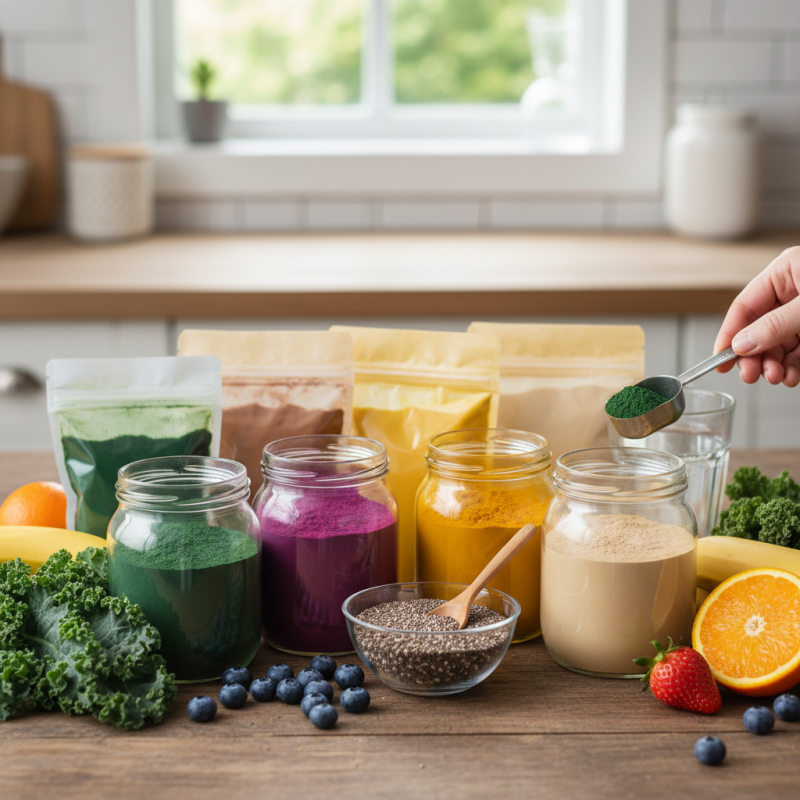
Benefits of Organic SuperFood Powders for Health and Wellness
Organic superfood powders have gained traction in health circles for their numerous benefits. These powders are often packed with essential vitamins, minerals, and antioxidants. Research shows that incorporating superfood powders into daily routines can enhance nutrient intake significantly. For instance, studies indicate that spirulina, a popular superfood, contains up to 70% protein and is an excellent source of B vitamins. This composition supports immune function and energy levels.
Regular consumption of organic superfood powders also promotes digestive health. Ingredients like chia seeds and flaxseeds contribute high amounts of fiber. According to the American Journal of Clinical Nutrition, a fiber-rich diet can reduce chronic disease risk and improve gut health. However, not all superfood powders provide the same benefits. Quality varies widely across products, and some may contain additives or low-quality ingredients. This inconsistency necessitates consumers to stay informed about sourcing and processing practices.
Moreover, the sustainability of food sources is an ongoing issue. While many superfoods promise health benefits, their environmental impact is crucial to consider. A 2022 report from the Food and Agriculture Organization points out that excessive demand for exotic superfoods can lead to unsustainable farming practices. Therefore, while organic superfood powders can boost health, careful selection is important for both personal and planetary well-being.
Key Ingredients to Look for in Organic SuperFood Powders
When exploring organic superfood powders, certain key ingredients stand out. First among them are green superfoods. These include spirulina and chlorella. Research indicates that spirulina can boost immune function and increase stamina. A study by the Journal of Nutrition found that chlorella may reduce cholesterol levels.
Next, look for antioxidant-rich ingredients. Berry powders, such as acai and goji berries, provide essential vitamins. They also support overall health. According to the Antioxidants journal, these berries can help reduce oxidative stress in the body. This is crucial for preventing chronic diseases.
Another essential ingredient is adaptogens. Substances like ashwagandha and reishi mushrooms help the body cope with stress. A 2021 study published in Frontiers found that adaptogens can enhance mental clarity and reduce fatigue. However, not all powders contain effective doses of these ingredients. Always check the label for specific amounts. Not every product offers the same benefits, making it vital to choose wisely.
Best Organic SuperFood Powder Options for Global Buyers
| SuperFood Powder | Key Ingredients | Health Benefits | Suggested Use |
| Green SuperFood Powder | Spirulina, Chlorella, Wheatgrass | Detoxification, Boosts Immunity | Mix with smoothies or water daily |
| Berry SuperFood Powder | Acai, Blueberry, Goji Berry | Rich in Antioxidants, Enhances Skin Health | Add to yogurt or oatmeal |
| Protein SuperFood Powder | Pea Protein, Brown Rice Protein | Muscle Recovery, Weight Management | Blend into shakes post-workout |
| Moringa SuperFood Powder | Moringa Leaf | Nutrient Dense, Supports Digestive Health | Stir into soups or tea |
| Cacao SuperFood Powder | Raw Cacao, Antioxidants | Mood Enhancer, Improves Heart Health | Mix in smoothies or desserts |
Comparative Analysis of Popular Organic SuperFood Powder Brands
The organic superfood powder market has seen rapid growth, driven by increasing health awareness. According to industry reports, the market is projected to reach $200 billion by 2025. While many consumers look for nutrient-dense options, it's essential to compare various brands meticulously.
Nutritional content varies significantly across different brands. Some powders provide essential vitamins, while others focus on antioxidants. Data shows that spirulina and chlorella are among the most sought-after ingredients. A report indicates that spirulina can contain up to 60% protein by weight, making it a superior choice for plant-based diets. However, not all brands use high-quality sourcing, which is crucial for maintaining integrity.
Marketing claims can be misleading. Some products boast high ORAC values, indicating antioxidant potential, but fail to provide concrete research backing these claims. Buyer vigilance is key. Certification labels can help ensure quality, yet not all organic claims are equally trustworthy. It's important to dig deeper and assess third-party testing results, as they enhance product reliability. A thoughtful approach can lead to informed choices in a saturated market.
How to Incorporate Organic SuperFood Powders into Your Diet
Incorporating organic superfood powders into your daily diet can be both simple and rewarding. You can start by adding a small scoop of these powders to your morning smoothies. This method provides a nutrient boost and enhances flavor. Whether it's a greens powder or a berry blend, the variety can add vibrancy to your breakfast. Try mixing in fruits and nut butter for an extra creamy texture.
Another great way to use superfood powders is in baking. Incorporate them into pancake or muffin mixes for added health benefits. The flavor can be subtle, allowing creativity in the kitchen. Experiment with different recipes to see what works best for you. Baking with these powders can sometimes yield unexpected results, so keep an open mind.
When you first start, consider measuring how much you use. Some people go overboard and feel overwhelmed. It's essential to listen to your body and adjust the quantity according to your needs. Gradually increase your intake to avoid digestive issues. Reflecting on how your body responds is key. It leads to better choices in the long run.
Sourcing and Sustainability: Understanding Organic Certification Standards
When exploring organic superfood powder options, understanding organic certification is crucial. Organic certification varies by region, and each standard guides how products are grown, harvested, and processed. Most certifications require products to meet strict regulations regarding pesticide use and soil health. This ensures a commitment to sustainability and environmental responsibility.
Many consumers are passionate about sourcing responsibly. They seek transparency in the supply chain. Organic labels alone can be confusing. Some powders may claim to be organic but lack proper documentation. It's vital to consult reliable sources and verify claims from producers. Engaging with brands directly can provide insight into their farming practices.
The path to organic certification is demanding. Farmers often face challenges in transitioning their fields. Some may even struggle to maintain organic standards amidst climate changes. Yet, these efforts can lead to richer soils and healthier ecosystems. The benefits of organic practices shine through, even as the journey to certification remains complex. Understanding these nuances is key for informed purchasing decisions.