
10 Best Tips for Using Cooking Meat Netting to Enhance Flavor and Presentation

In the culinary world, presentation and flavor are two crucial elements that can elevate a dish from ordinary to extraordinary. One technique that chefs and home cooks alike are increasingly adopting is the use of cooking meat netting. According to a recent industry report by The Food Institute, the demand for aesthetically pleasing food presentations has risen by 35% over the past five years as consumers seek restaurant-quality meals at home. Cooking meat netting not only contributes to a refined presentation but also plays a significant role in enhancing the flavor of meats by retaining moisture and allowing for even cooking.

Moreover, the versatility of cooking meat netting is highlighted in its applications across various cuisines and preparation methods. Research indicates that visually appealing dishes can increase a diner’s perception of taste and overall satisfaction, with studies showing that presentation can influence taste perception by up to 40%. As culinary trends continue to evolve, mastering the use of cooking meat netting can provide both amateur cooks and professional chefs with a creative edge in flavor development and visual artistry. By understanding its benefits and techniques, anyone can elevate their culinary creations and deliver an unforgettable dining experience.
10 Best Tips for Using Cooking Meat Netting to Enhance Flavor and Presentation

Understanding Cooking Meat Netting: Benefits and Uses

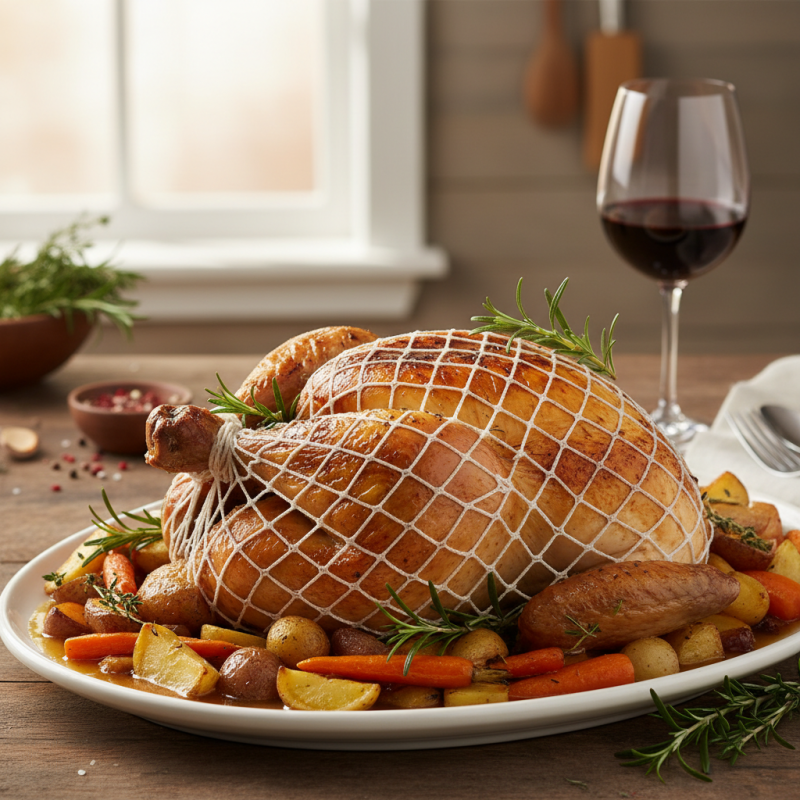
Cooking meat netting is a versatile tool in the culinary world that can significantly enhance both the flavor and presentation of your dishes. Primarily made from natural fibers, this netting wraps around different cuts of meat, helping to retain moisture and promote even cooking. Not only does it improve the overall taste, but it also allows for a more appealing presentation, perfect for special occasions or impressing guests.

When using cooking meat netting, one essential tip is to season the meat thoroughly before wrapping it. This ensures that the flavors permeate during the cooking process, maximizing taste. Additionally, consider marinating the meat beforehand, as this will add an extra layer of flavor locked in by the netting. Another important aspect is to ensure that the netting fits snugly but not too tightly, allowing the meat to cook evenly without restricting its natural juices.

Another tip is to tie the ends securely after wrapping the meat. This prevents the seasoning and any aromatics from escaping during cooking, ensuring a moist and flavorful outcome. Lastly, allowing the meat to rest after cooking is crucial. Removing the netting too early can cause the juices to spill, leading to a dryer final product. By understanding the benefits and proper techniques of cooking meat netting, you can create beautiful, flavorful dishes that are sure to delight.
Choosing the Right Type of Meat Netting for Your Dish

When selecting the right type of meat netting for your dish, it’s essential to consider the specific cooking method and the type of meat involved. According to a report by the American Meat Science Association, the use of meat netting can significantly impact the final presentation and flavor preservation of various cuts. For example, using elastic netting effectively helps retain moisture and shape during roasting, ensuring an evenly cooked and visually appealing dish.

Different types of netting serve different purposes: polyester netting is ideal for cold cuts and sausages, while nylon netting offers durability during high-temperature cooking, making it suitable for roasting or smoking. A study from the Food Packaging Forum reveals that proper netting can enhance flavors by allowing herbs and spices to infuse into the meat while keeping the presentation intact. Choosing the right netting not only complements the cooking process but also elevates the overall dining experience, reflecting a meticulous approach to culinary artistry.

10 Best Tips for Using Cooking Meat Netting to Enhance Flavor and Presentation - Choosing the Right Type of Meat Netting for Your Dish

Tip No. Tip Description Best Type of Netting Ideal Dish
1 Choose natural fibers for better flavor absorption. Cotton Netting Roasted Meats
2 Use larger holes for increased smoke flavor. Mesh Netting Smoked Meats
3 Select size based on the cut of meat. Custom Size Netting Stuffed Meats
4 Soak netting for enhanced flavor infusion. Flavored Netting Marinated Meats
5 Consider the presentation and shape. Shaped Netting Fancy Roast
6 Use netting to retain moisture during cooking. Moisture Retaining Netting Grilled Cuts
7 Avoid synthetic materials for health reasons. Natural Fiber Netting Healthy Roasts
8 Check temperature resistance for cooking methods. High-Temp Netting Oven-Baked Dishes
9 Utilize netting for easier carving and serving. Support Netting Large Roasts
10 Explore decorative netting for festive occasions. Decorative Netting Holiday Meals

Techniques for Properly Applying Meat Netting to Enhance Flavor

10 Best Tips for Using Cooking Meat Netting to Enhance Flavor and Presentation

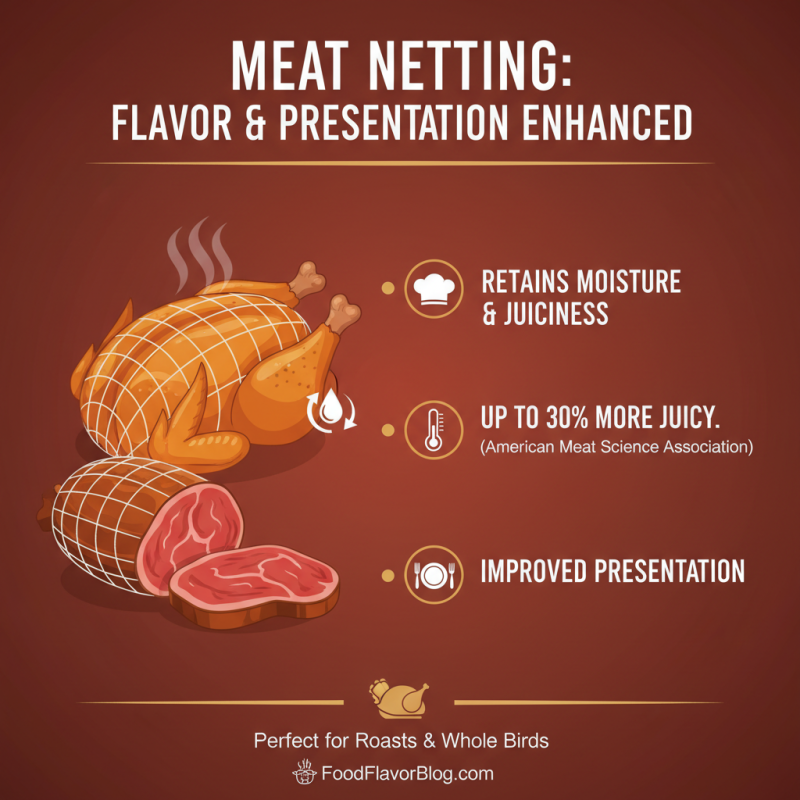
Using cooking meat netting is an excellent way to enhance both the flavor and presentation of your dishes. Properly applying meat netting can help retain moisture during cooking, allowing the meat to become more flavorful and tender. According to a study from the American Meat Science Association, meats that are wrapped in netting have been shown to retain up to 30% more juiciness compared to those that aren't. This technique is particularly beneficial for larger cuts, such as roasts or whole birds, as it ensures even cooking and prevents the loss of valuable juices.

When applying meat netting, ensure that you start with a clean, dry surface. Cut the netting to an appropriate size, allowing it to cover the meat completely, and use kitchen twine to secure the ends. This adds both stability and aesthetic appeal. Tips for enhancing the flavor include seasoning the meat generously before wrapping it in the netting; herbs and spices can penetrate better when they are secured within the fibers of the netting during the cooking process.

Additionally, consider marinating the meat prior to applying the netting. A study published in the Journal of Food Science indicates that marinated meats can acquire deeper flavors when sealed tightly in netting, as this method creates a concentrated flavor environment. Remember to monitor the cooking temperature and time closely; netting can facilitate quicker cooking, allowing the meat to reach optimal doneness while maintaining its delicious, juicy flavor.

Cooking Methods That Maximize the Benefits of Meat Netting

10 Best Tips for Using Cooking Meat Netting to Enhance Flavor and Presentation

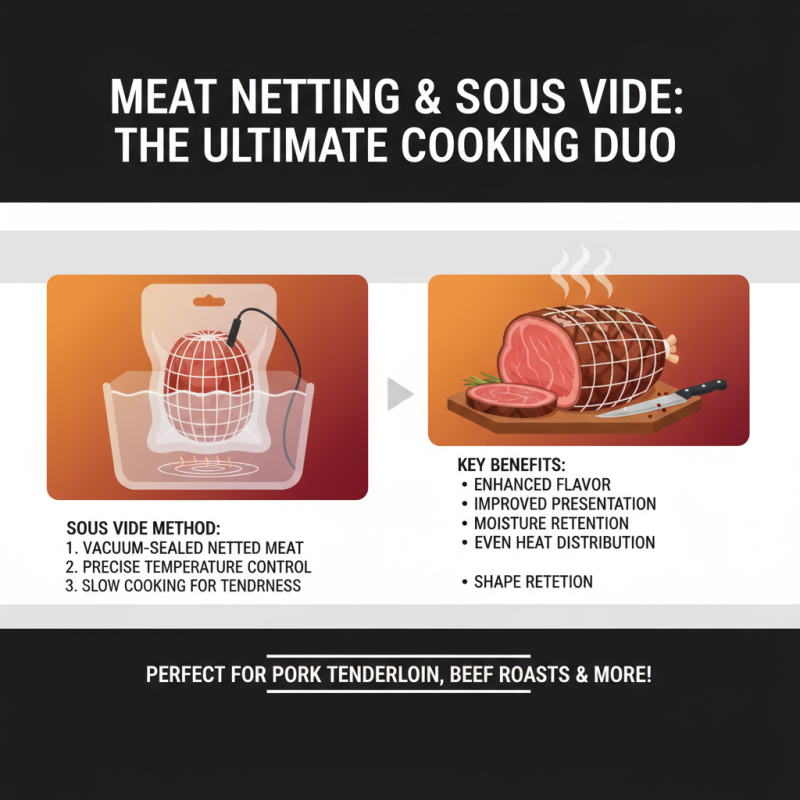
Meat netting, often overlooked, plays a crucial role in enhancing both flavor and presentation in various cooking methods. One effective technique to maximize its benefits is the sous vide method, where vacuum-sealed netted meat maintains moisture and flavor during the slow cooking process. The netting not only helps to retain the shape of the meat but also allows for even heat distribution, ensuring that every bite is tender and juicy. This technique is particularly effective for cuts like pork tenderloin or beef roast, which can benefit from the precise temperature control and moisture retention that sous vide offers.

Another method to consider is roasting. When using meat netting in the oven, it secure the meat’s structure, making it ideal for presentation when sliced. The netting helps to keep the meat compact, allowing it to cook evenly and develop a rich, caramelized crust while ensuring that the interior remains succulent. To enhance the flavors even further, marinating the meat beforehand or rubbing it with herbs and spices will infuse the flavors throughout the piece, while the netting holds everything in place during the roasting process. This combination not only elevates the dish visually but also ensures a delicious and memorable meal.

Presentation Tips for Serving Meat Prepared with Netting

When serving meat that has been prepared with netting, presentation plays a crucial role in elevating the dining experience. One effective approach is to highlight the natural colors and textures of the meat. After cooking, carefully remove the netting to reveal the beautifully formed roast beneath. This not only enhances the visual appeal but also allows guests to appreciate the intricate layering of flavors that the netting helps develop during cooking. To add an extra touch, consider garnishing the dish with fresh herbs or a sprinkle of coarse sea salt, which can contrast beautifully against the meat.

Another excellent presentation technique involves using a wooden cutting board or a rustic platter. These surfaces not only provide a charming aesthetic but also allow for the juices to pool, adding to the rustic charm of your serving display. Slice the meat into even portions and arrange them artfully, perhaps overlapping the slices slightly to showcase the interior. Accompany the meat with a selection of seasonal vegetables or colorful sides, which will complement the dish and create a vibrant visual balance on the plate. Utilizing simple yet elegant serving ware can elevate the overall dining experience, making your dish not only delicious but visually enticing.

Impact of Cooking Meat Netting on Flavor and Presentation

We are using cookies on our website

Please confirm, if you accept our tracking cookies. You can also decline the tracking, so you can continue to visit our website without any data sent to third party services.