China Top Elastic Meat Netting Innovations and Applications?
In recent years, the innovation of elastic meat netting has transformed the meat processing industry. This advanced packaging solution not only enhances product presentation but also optimizes preservation. According to a report by MarketsandMarkets, the elastic meat netting market is expected to grow by 6.2% annually, highlighting its increasing relevance in food production.
Industry expert Dr. Lisa Zhang states, "Elastic meat netting provides unique advantages in preserving meat quality and extending shelf life." This technology is particularly valuable as consumer demand for fresh and visually appealing products rises. However, challenges remain in material sourcing and sustainability.
Even with continuous advancements, some manufacturers face hurdles in integrating elastic meat netting effectively. The learning curve can be steep, requiring investment in training and equipment. As the industry evolves, balancing innovation with practicality will be crucial in harnessing the full potential of elastic meat netting.
Overview of Elastic Meat Netting in China
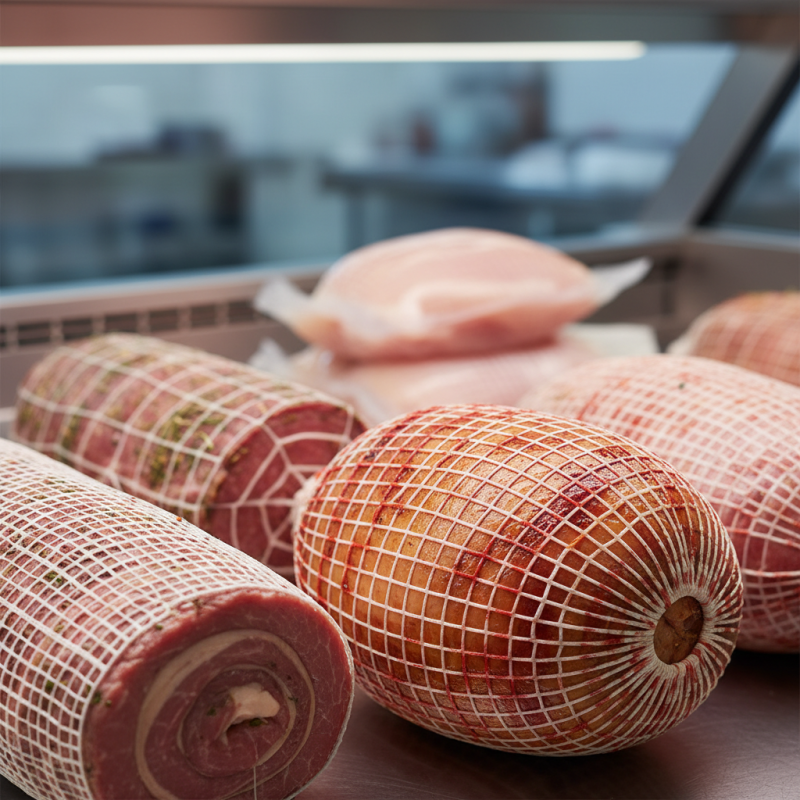
Elastic meat netting has become an essential component in China's meat processing industry. It enhances product presentation and protects structural integrity. According to industry reports, the demand for elastic meat netting has grown by 12% annually over the past five years. This reflects an increasing need for both quality and convenience in meat packaging.
One major application of elastic netting is in forming sausages and meats. It allows for the maintenance of shape and prevents spoilage. Such innovations help extend the shelf life of products, which is crucial for retailers. Studies indicate that nearly 70% of manufacturers prefer using elastic netting over traditional methods due to its flexibility and ease of use.
Challenges remain, however. Not all producers have adopted the latest technologies. Some still rely on outdated methods, leading to inefficiencies. Lack of training and knowledge about new materials can hinder progress. As China's meat industry continues to grow, addressing these gaps is vital for sustaining growth and meeting consumer demands effectively.
Key Innovations in Elastic Meat Netting Technology
Elastic meat netting technology has seen significant advancements in recent years, enhancing both functionality and efficiency in food processing. According to a recent industry report, the global elastic netting market is expected to grow by 4.5% annually, reflecting rising demand in meat packaging. The innovative materials used in these nettings improve strength and elasticity, ensuring products maintain their shape during storage and transportation. This is crucial for maintaining quality and reducing waste in meat processing.
Recent innovations have focused on biodegradable and environmentally friendly materials. These developments address growing concerns about plastic pollution and sustainability. Some manufacturers are experimenting with natural fibers and bio-based polymers. The effectiveness of these materials is being monitored, but their long-term reliability in various meat products remains a topic of scientific investigation.
Another area of innovation includes customizable net designs, which cater to specific needs in meat processing. These designs can improve shelf life and enhance presentation. However, the transition to these new technologies can be slow, as industry standards and regulations must be met. It’s vital to balance innovation with practicality to meet both consumer expectations and industry requirements. Continued research in this sector might yield clearer answers on efficiency and performance in diverse applications.
China Top Elastic Meat Netting Innovations and Applications
| Innovation Aspect |
Description |
Application Area |
Benefits |
| Biodegradable Materials |
Use of sustainable, biodegradable materials in netting production. |
Meat Packaging |
Reduces environmental impact and meets consumer demand for eco-friendly products. |
| Smart Netting Technology |
Integration of sensors to monitor freshness and quality of the meat. |
Cold Chain Logistics |
Enhances traceability and reduces food waste. |
| Enhanced Elasticity |
Development of netting materials with improved elasticity for better fit. |
Processing and Packaging |
Prevents meat deformation and improves presentation. |
| Anti-Microbial Properties |
Incorporation of anti-microbial agents into netting material. |
Meat Storage |
Extends shelf life and ensures food safety. |
Applications of Elastic Meat Netting in Food Processing
Elastic meat netting plays a vital role in modern food processing. By securely holding various types of meat products, this innovative material enhances packaging efficiency. It provides uniformity in shape, making products more appealing to consumers. The elasticity allows it to accommodate different sizes and cuts, ensuring minimal waste during production.
In addition to its functional benefits, elastic meat netting improves food safety. It acts as a barrier against contaminants, protecting the meat during storage and transport. This results in longer shelf life and better quality. However, not all applications achieve the desired results. Some manufacturers face challenges with adhesion and stability under certain conditions. Addressing these issues requires ongoing research and development.
Moreover, sustainability in meat processing is a growing concern. The environmental impact of packaging materials is under scrutiny. Finding alternatives that maintain performance without harming the planet remains a challenge. This requires collaboration between producers and material scientists to innovate. Experimentation with natural fibers and biodegradable options could lead to breakthroughs. The quest for improvement is continuous, reflecting the dynamic nature of the food industry.
Benefits of Using Elastic Meat Netting in Meat Products
Elastic meat netting is changing the meat processing industry. This innovative material enhances the appearance and texture of meat products. It allows cut shapes to be maintained, creating a uniform presentation. Customers appreciate well-packaged products. This detail can boost sales in a competitive market.
One significant benefit of using elastic meat netting is improved cooking performance. The netting holds meat together during cooking, ensuring even heat distribution. This results in juicier and more flavorful products. Additionally, the netting can reduce shrinkage, preserving weight and quality. However, not all meat products may benefit equally from this approach.
The technology also supports sustainability efforts. By optimizing packaging, there is less waste generated in production. This is an essential consideration in today’s eco-conscious market. Still, the challenge lies in educating all stakeholders about the benefits. Continuous improvement and feedback are necessary to perfect these applications.
Future Trends in Elastic Meat Netting Development in China
The future of elastic meat netting in China showcases innovative trends that promise to reshape the industry. One significant direction is the focus on sustainability. Manufacturers are increasingly utilizing eco-friendly materials. These materials not only reduce environmental impact but also enhance the safety of meat products. Consumers are more aware of what they buy. This awareness drives demand for safer, eco-conscious options.
Another trend is the integration of smart technology. Some companies are exploring the use of IoT sensors within netting. This integration ensures quality control during meat processing and storage. Real-time monitoring of temperature and humidity can significantly reduce spoilage. As a result, meat producers can guarantee fresher products to consumers.
Tips: Always ask suppliers about material sourcing. Transparency in sourcing improves trust. Following online forums can reveal new industry insights. Be proactive in seeking out information. Embracing these innovations can lead to better quality products and satisfied customers.