How to Choose the Best Fibrous Sausage Casings for Your Needs?

Choosing the right fibrous sausage casings is crucial for achieving the desired texture and flavor in your sausages. According to a report by the International Meat Secretariat, fibrous casings account for nearly 30% of the global sausage casing market. These casings provide high durability and ease of handling, making them popular among meat processors. Industry expert Dr. Helen McCarthy states, "The choice of casings directly influences the final product's quality and market acceptance."

When selecting fibrous sausage casings, consider aspects such as size, strength, and compatibility with your meat formulations. Different applications require specific characteristics, so understanding your needs is essential. The right casing can enhance moisture retention and improve the aesthetic appeal of the sausage. It’s also worth noting that not all fibrous casings are created equal. Some may offer better smoke permeability, while others might provide different flavor profiles.

It’s not uncommon for producers to overlook the importance of proper casing choice. This oversight can lead to product inconsistencies. Investing time into research can prevent future challenges. As consumer preferences shift, selecting the best fibrous sausage casings will become increasingly vital for both quality control and market competitiveness.

How to Choose the Best Fibrous Sausage Casings for Your Needs?

Understanding Fibrous Sausage Casings: What They Are and Their Benefits

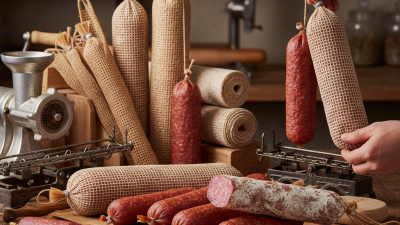
Fibrous sausage casings are a critical component in sausage-making. These casings, made from cellulose or other fibrous materials, provide structural integrity. They can withstand high temperatures and are often used for larger sausages like summer sausage or pepperoni. Their ability to retain moisture helps improve flavor and texture.

A 2021 report indicated that the fibrous casing market is projected to grow steadily, driven by the rising demand for processed meats. These casings are not only versatile but also offer benefits such as consistent shape and size, which are essential for uniform cooking. Additionally, they can be peeled off easily after cooking, ensuring a more appealing final product.

**Tip**: When selecting fibrous casings, consider the diameter and length that best fits your recipe. Not all casings carry the same heat tolerance—always check the specifications. Also, remember that improper handling can lead to tears or breaks.

Many people overlook the importance of soaking fibrous casings before use. This step helps to ensure elasticity and prevents damage during stuffing. Not paying attention to this can lead to frustrating results during the sausage-making process.
Types of Fibrous Casings: A Comprehensive Overview

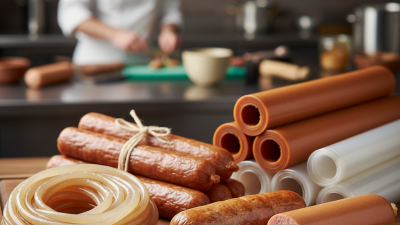
When it comes to fibrous sausage casings, there are several types to consider. Each type offers unique benefits suited for different needs. Fibrous casings are typically made from cellulose, which provides strength and durability. This makes them ideal for products like summer sausage. However, they are not edible, so they require peeling off after cooking.

Another option is protein-based casings, which are made from collagen. These casings can be consumed and often have a more tender bite. Yet, they can be more sensitive to temperature changes during processing. Choosing between these options depends on your specific sausage-making goals.

It's also essential to consider the diameter of the casings. Sizes range from narrow snack sticks to large sausages. This choice affects the cooking time and overall flavor. Experimentation is key here; using different types may yield unexpected, yet delightful results. Remember that the right casing influences texture, moisture retention, and flavor absorption. Consider your expertise level and what works best in your kitchen. Each choice brings something unique to your sausage-making journey.

Factors to Consider When Choosing Fibrous Casings

When selecting fibrous sausage casings, several critical factors come into play. One primary consideration is the diameter of the casing. According to industry reports, the diameter impacts not just the texture but also the cooking process. For instance, larger casings might need longer cooking times to achieve the desired flavor and consistency.

Moisture retention is another essential aspect. Data show that fibrous casings can retain moisture effectively, improving overall product quality. However, improperly dried casings can lead to spoilage or an unpleasant texture, prompting the need for careful selection. Understanding the water activity levels in your products can help. Ideal water activity ranges between 0.85 to 0.90 for optimal moisture retention and safety.

Lastly, the strength of the casing should be assessed. Some fibrous casings are designed for specific applications, like high-pressure cooking. Research indicates that the tensile strength of the casing directly affects how well the sausage holds its shape. A casing with inadequate strength might burst during cooking, leading to inconsistent results. Evaluating these factors can lead to better sausages that meet specific culinary needs.

Factors to Consider When Choosing Fibrous Sausage Casings

How to Properly Use and Prepare Fibrous Sausage Casings

When using fibrous sausage casings, proper preparation is vital. Start by rinsing the casings in cold water. This removes any preservatives and makes them more pliable. Industry reports suggest that soaking for 30 minutes can improve texture and flavor in sausages.

**Tip:** Always inspect your casings for any defects. Small tears can affect the sausage's integrity. Handle with care to avoid unnecessary damage.

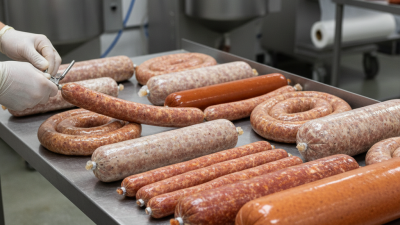
Filling the casings requires patience. Use a sausage stuffer, ensuring the casings are filled evenly without air pockets. An even fill promotes consistent cooking. According to experts, an optimal fill weight can help maintain the best moisture levels.

**Tip:** Avoid overstuffing the casings. This can lead to burst sausages during cooking. Testing a small batch can save ingredients. Reflect on your techniques often, as practice makes perfect.

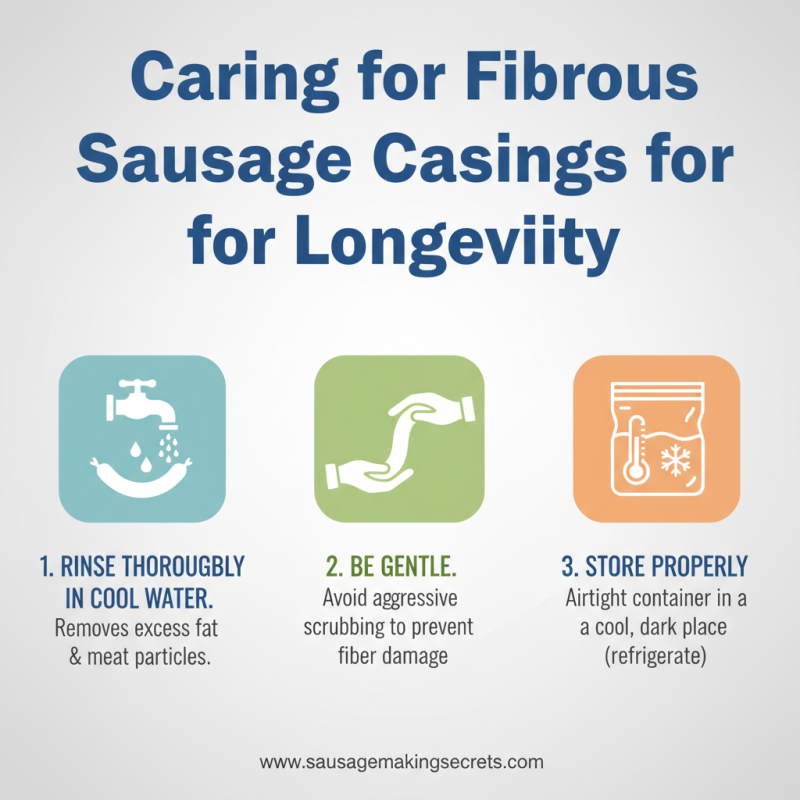
Caring for and Storing Fibrous Sausage Casings for Longevity

How to Choose the Best Fibrous Sausage Casings for Your Needs?

Caring for fibrous sausage casings is crucial for their longevity. After use, rinse the casings thoroughly in cool water. This removes excess fat and meat particles. Be gentle while handling them, as aggressive scrubbing can damage the fibers.

To store the casings, place them in a dry, dark place. A cool pantry or cellar works well. Ensure they are completely dry before sealing them in an airtight container. Improper storage can lead to mold or spoilage. If casings feel brittle, reconsider how they’ve been stored.

Regularly inspect your casings for any signs of damage. Small tears or discoloration may indicate they’re past their prime. It’s essential to stay vigilant, as using subpar casings can ruin your sausage-making experience. Test a small piece if you're unsure. Understanding these nuances can significantly enhance your sausage-making journey.

We are using cookies on our website

Please confirm, if you accept our tracking cookies. You can also decline the tracking, so you can continue to visit our website without any data sent to third party services.