How to Choose the Best Irrigation System Accessories for Your Needs?

Choosing the right Irrigation System Accessories is crucial for effective water management. The right tools can significantly improve efficiency. However, many people overlook the importance of these accessories. They often focus on the main irrigation system and ignore the supporting components.

Various accessories enhance irrigation performance. These include timers, filters, and connectors. Each accessory serves a specific function, impacting the overall effectiveness. Understanding your needs is essential. What works for one type of garden or farm may not be suitable for another.

Investing in quality irrigation system accessories is a wise decision. They can save time, water, and money in the long run. Yet, it can be overwhelming to choose from the vast options available. Make choices based on reliable information. Consider expert opinions and product reviews to ensure you select the best options for your unique situation.
How to Choose the Best Irrigation System Accessories for Your Needs?

Understanding Different Types of Irrigation System Accessories Available

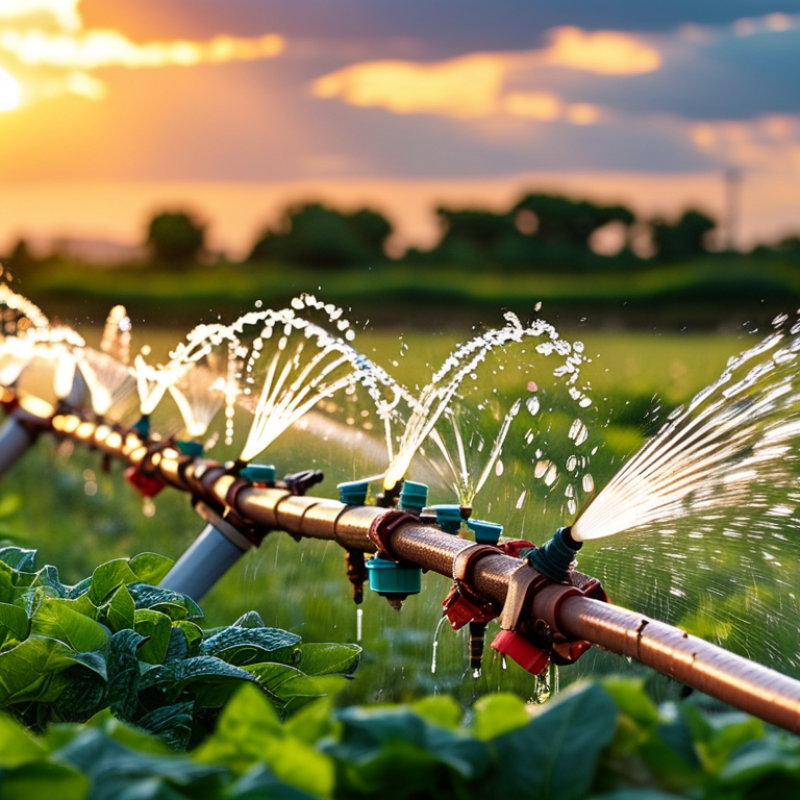
When selecting irrigation system accessories, understanding the types available is crucial. Accessories improve efficiency and effectiveness. Common types include timers, filters, pressure regulators, and hoses. According to the Irrigation Association, using proper accessories can enhance water conservation by up to 30%.

Timers help manage watering schedules. They ensure plants receive the right amount of water at optimal times. Filters prevent clogging, extending the lifespan of your system. Pressure regulators maintain consistent water pressure, helping to avoid system damage. Each accessory serves its purpose, contributing to a healthier landscape.

Tip: Assess your water source and landscape needs before purchasing. For example, heavier soils require less frequent watering. Also, ensure all components are compatible to avoid inefficiencies. Investing in quality accessories may reduce long-term costs. However, it’s essential to monitor the system regularly. Maintenance is often overlooked but vital for sustainability.

How to Choose the Best Irrigation System Accessories for Your Needs?

Accessory Type Description Benefits Ideal For
Drippers Devices that deliver water directly to the soil at the roots. Exact water delivery, reduces waste, and promotes strong root growth. Vegetable gardens, flower beds, and container plants.
Hoses Flexible tubes used to transport water. Versatile, easy to use, and can reach difficult areas. General watering, gardens, and lawns.
Sprinklers Devices that spray water across an area. Uniform water coverage and ideal for larger areas. Lawns, large flower beds, and agricultural fields.
Timers Devices that control when and how long to water. Saves water and time by automating the watering schedule. Any garden setup where convenience is desired.
Filters Devices that remove impurities from water before it reaches the plants. Protects the system, enhances efficiency, and prolongs lifespan. All irrigation systems, especially in areas with sediment-heavy water.

Assessing Your Water Supply and Landscape Requirements for Irrigation

Assessing water supply and landscape requirements is crucial when choosing irrigation accessories. Understanding your water source is the first step. If you're using a well, know its flow rate. A report by the Irrigation Association states that effective irrigation relies on a minimum flow rate of 3 GPM for most residential systems. This ensures even distribution and proper function.

Next, your landscape’s needs vary based on plant types and soil conditions. Clay soils retain moisture longer than sandy soils. This impacts the frequency of irrigation and the types of accessories needed. An average garden with diverse plants might require different irrigation settings to thrive. According to USDA, optimal irrigation can reduce water usage by 30% to 50% while preserving plant health.

You should also evaluate your landscape's slope. Areas with greater slopes often need more advanced systems to prevent runoff. Understanding these factors allows you to select suitable accessories, like drip lines or sprinklers, that suit your unique setup. Many overlook these essential details, leading to inefficient watering practices. Balancing your water supply and landscape requirements is key for sustainable irrigation.

Evaluating Accessory Features: Timers, Sensors, and Pressure Regulators

When considering irrigation system accessories, timers, sensors, and pressure regulators are vital components. Timers automate watering schedules. They can ensure that plants receive the right amount of water, even when you are away. Look for models with easy programming features, as complicated setups can lead to mistakes.

Sensors are designed to measure soil moisture. They prevent overwatering, saving both water and money. Different sensors provide various data types; some even connect to apps for real-time updates. Pay attention to compatibility with your existing system. Sometimes, integrating new sensors may not be straightforward.

Pressure regulators are crucial for maintaining consistent water pressure. This consistency protects both your plants and the irrigation system. High pressure can harm delicate plants or damage pipes. Opt for regulators that adjust automatically; they can adapt to varying water sources. Think about the long-term effects of your choices. Not all accessories are designed to last, so invest wisely.

Choosing Sustainable and Efficient Accessories to Maximize Water Usage

When selecting irrigation system accessories, sustainability and efficiency are crucial. Optimizing water usage can significantly impact both the environment and agricultural productivity. According to research by the Irrigation Association, nearly 50% of farm water use is wasted due to inefficient systems. This highlights the urgency for better accessory choices.

Drip irrigation systems can minimize water wastage. They deliver water directly to the plant's root zone, reducing evaporation and runoff. Studies indicate that this approach can save up to 30% more water compared to traditional methods. For instance, installing moisture sensors can even further assist in conserving water by providing real-time data on soil conditions.

However, some accessories may not always perform as expected. Users have reported that low-quality hoses can lead to leaks, undermining efficiency. Investing in durable, reliable components is essential. Proper installation also matters. Without it, even the best accessories can fall short of their potential. Balancing cost with effectiveness requires careful consideration. This thought process is necessary for truly sustainable irrigation solutions.

Water Usage Efficiency in Different Irrigation Systems

Budgeting for Irrigation Accessories: Cost-Effectiveness Analysis and ROI

Budgeting for irrigation accessories requires a careful analysis of costs versus benefits. Many farms overlook the long-term savings these accessories can provide. A study by the Irrigation Association shows that implementing efficient irrigation accessories can reduce water usage by 30%. This reduction leads to significant savings over time, often covering initial investments within the first few years.

When selecting accessories, consider their life cycle costs. While cheaper alternatives may seem appealing, they often lead to increased maintenance costs. For instance, using quality drip emitters may cost more upfront but can last up to 10 years. This durability translates to lower replacement rates and improved water efficiency. According to the USDA, farms that invest in high-quality systems see a return on investment of 200% over five years.

However, budgeting is not just about upfront costs. It's crucial to assess your unique needs. A solution that works for one farm might not fit another. Decision-making should include evaluating water requirements, crop types, and local climate conditions. This tailored approach helps ensure that your selected accessories will offer the best return on investment while enhancing overall sustainability. Reflecting on past choices can highlight areas for improvement and guide future decisions effectively.

We are using cookies on our website

Please confirm, if you accept our tracking cookies. You can also decline the tracking, so you can continue to visit our website without any data sent to third party services.