
How to Choose the Best Travel Case for Your Needs?
Choosing the right Travel Case is crucial for any traveler. It can be overwhelming with so many options available. A well-selected travel case provides protection for your belongings and adds convenience. It can streamline your journey, whether it’s for business or leisure.
When picking a travel case, consider your specific needs. Think about the type of travel you do. Are you a frequent flyer or a road trip enthusiast? Each scenario demands different features. Durability, size, and weight play significant roles. A lightweight case can make a difference when moving through busy airports.
Reflecting on past trips can guide your choice. Did your last travel case meet your expectations? Were there any struggles with storage or handling? These experiences can inform your decisions. A well-chosen travel case should reduce stress and elevate your travel experience. Consider it an investment in your adventures.
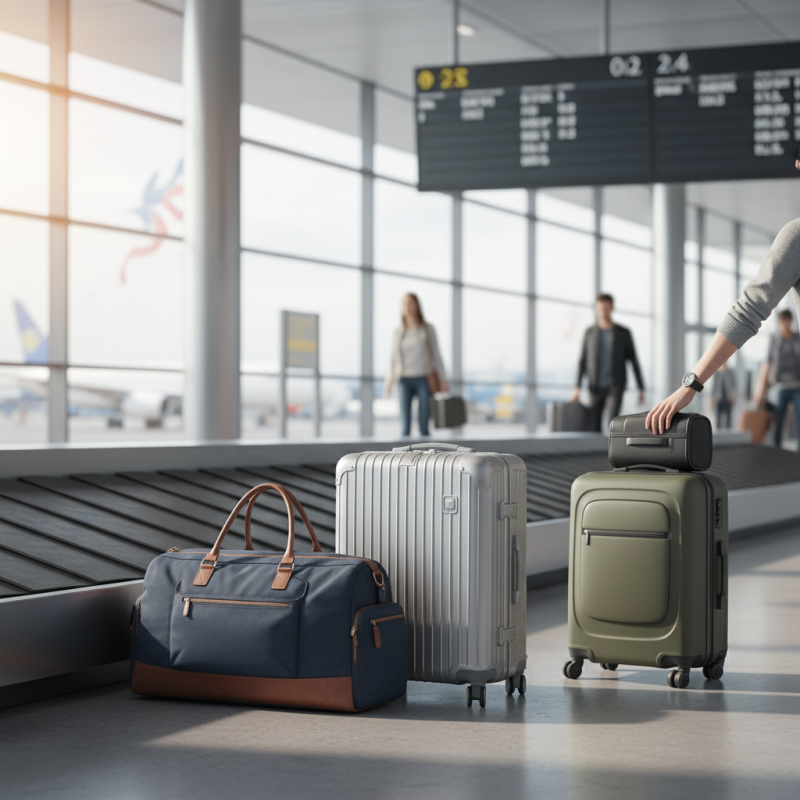
Understanding Your Travel Needs and Preferences
Choosing the right travel case is essential for a seamless journey. Understanding your travel needs and preferences is the first step. Are you a frequent business traveler or an occasional vacationer? This distinction significantly influences the type of case you should consider.
Think about the duration of your trips. Short getaways might require a compact carry-on, while longer excursions could demand larger cases with more compartments. Consider your packing style too. Do you prefer to roll your clothes or fold them neatly? Some cases are better suited for squished packing. Finally, reflect on your destinations. Urban settings may necessitate a sleek design, while rugged adventures call for durability.
Remember, it’s okay to make mistakes along the way. You might purchase a case that's too large or a color that clashes with your personal style. Each choice teaches you about your preferences. Travel is about discovery, and your travel case should reflect that journey.
Evaluating Different Types of Travel Cases Available
When evaluating different types of travel cases, consider the primary purpose of your trip. A study by the Travel Goods Association reveals that around 57% of travelers prioritize protection for their belongings. Hard-shell cases excel in durability, making them ideal for protecting fragile items. They come with security features that can deter theft, yet they are heavier and bulkier.
Soft-sided cases, on the other hand, account for 40% of the market. They offer flexibility and are often lighter, allowing for easy storage in overhead compartments. However, they might not provide the same level of protection. A 2021 survey indicated that 28% of travelers experienced damage to their luggage. This statistic highlights the importance of choosing a travel case that meets your protection needs.
Another factor to consider is organization. Many modern cases come with specialized compartments. These features cater to the needs of tech-savvy travelers. Imagine reaching your destination with your gadgets safe and easily accessible. Not all cases provide equal organizational features. Some may lack pockets or compartments, leading to a frustrating unpacking experience. Assess your travel habits carefully before deciding.
Assessing Size and Weight Considerations for Travel Cases
When choosing a travel case, understanding size and weight is crucial. Light travel cases can dramatically reduce the burden when navigating airports or train stations. According to a recent industry report, travelers carrying lighter luggage are 30% less likely to experience fatigue. The ideal weight for a carry-on bag is typically under 7 kilograms. This ensures you can move comfortably without feeling overloaded.
Size matters significantly, too. Most airlines allow carry-on dimensions of approximately 55x40x20 cm. Anything larger may encounter extra fees or forced check-ins. A study by the International Air Transport Association (IATA) found that 60% of travelers encounter issues with sizing at the gate. It’s vital to measure your bag before your trip. A smaller size can also provide flexibility, allowing you to navigate crowded spaces better.
Reflect on your packing habits. Are you often tempted to overpack? This can lead to difficulties in managing your travel case. Tighten your packing process by assessing necessities for each trip. Streamlining your selection can help you choose a smaller, manageable case. Remember, a well-considered travel case enhances your experience significantly.
Exploring Material Durability and Protection Features
When selecting a travel case, durability is paramount. Materials range from lightweight fabrics to robust hard shells. Consider the environments you'll encounter. Soft cases may be suitable for casual trips, but they often lack protection. Hard cases offer sturdy shields against impacts.
Protection features add another layer to your decision. Look for reinforced corners and water-resistant coatings. These elements help shield your belongings from damage. Zippers should be robust and reliable. Weak zippers can lead to lost items.
Reflecting on your adventures can also shape your choices. Did your last bag withstand the journey? Did it protect your valuables? Sometimes, it’s about personal experience rather than brand reputation. Take time to consider your past travel experiences. This can help guide your decision in selecting the right case for your next trip.
Examining Additional Features and Accessories for Convenience
When selecting a travel case, extra features can significantly enhance your experience. According to a report by the Travel Goods Association, 72% of travelers prioritize convenience-oriented features. Compartments for tech gadgets make organizing easier. We often underestimate the need for a padded section for laptops or tablets. This simple addition can protect fragile electronics, a crucial aspect for today’s tech-savvy traveler.
A durable exterior is important but don’t overlook wheels and handles. The 2022 Travel Case Analysis found that 65% of travelers prefer cases with multi-directional wheels. It minimizes strain and offers effortless mobility. Yet, some cases with fancy wheels might not last long under stress. Regular assessments of durability are essential. Consider removable compartments too; they allow for everyday use. Many users appreciate hybrid designs that adapt to various scenarios, but these models sometimes lack sturdiness.
Finally, look into personal safety features like built-in locks or RFID-blocking pockets. A recent survey conducted by the International Travel Security Association highlighted that 58% of travelers feel more secure with these options. However, while these features can enhance peace of mind, they may add weight and complexity. Striking the right balance between convenience and practicality is vital. Not every luxury is necessary, especially if it hinders functionality.


