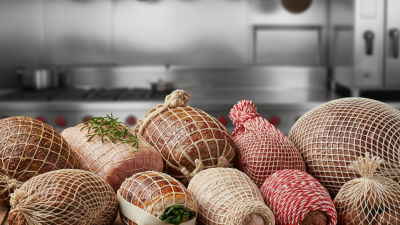
Why Choose Fibrous Casings for Salami in Your Charcuterie?
In the world of charcuterie, choosing the right casing for salami is crucial. Fibrous casings for salami offer remarkable benefits that many artisan producers appreciate. Expert butcher John Smith once said, "Fibrous casings enhance the flavor and texture while ensuring the salami maintains its shape." This expertise emphasizes the importance of selecting quality materials in salami production.
Fibrous casings are not just about appearance. They provide structural integrity, allowing for better air circulation during curing. This feature is vital in preventing spoilage and ensuring a perfect dry-cured product. The casing's robustness allows salami to age properly without compromising safety or flavor.
While not all producers focus on casings, it can make a significant difference. Choosing fibrous casings for salami requires careful consideration and experience. It's essential to blend tradition with innovation in charcuterie for ideal results. The right casing can elevate the final product, leading to a tastier and more appealing salami.
Benefits of Using Fibrous Casings for Salami Production
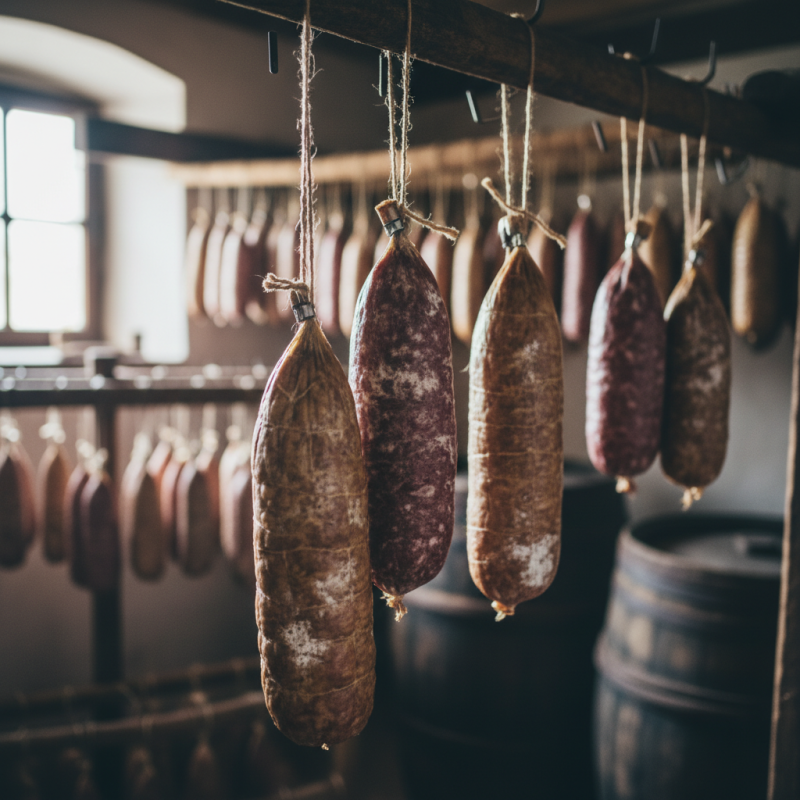
Fibrous casings are a popular choice for salami production. They offer unique benefits that enhance the quality of the final product. These casings are made from a blend of cellulose and other natural fibers. They provide strength and durability during the curing process. Moreover, their ability to allow moisture and smoke to penetrate is essential for flavor development.
The use of fibrous casings can improve the texture of salami. They help maintain the shape during drying, creating a consistent product. Salami made with fibrous casings can have a firmer bite and a better mouthfeel. However, achieving the right balance can be challenging. Ensuring proper moisture control is crucial. Too little moisture can lead to a dry product, while too much can cause spoilage.
Producers must also consider the cooking and smoking times. Finding the right timing can influence the salami's flavor profile. Experimentation may be needed to determine optimal conditions. Each batch can yield different results, prompting ongoing adjustments. Despite these challenges, the benefits of using fibrous casings often outweigh the potential pitfalls. The right approach can lead to remarkable salami that delights every palate.
Why Choose Fibrous Casings for Salami in Your Charcuterie? - Benefits of Using Fibrous Casings for Salami Production
| Benefit | Description | Impact on Salami |
|---|---|---|
| Durability | Fibrous casings are strong and able to withstand the smoking and cooking process. | Ensures the salami retains its shape and prevents burst during processing. |
| Flavor Retention | Allows for excellent moisture and smoke penetration, enhancing flavor. | Deepens the overall taste profile of the salami. |
| Ease of Handling | Lightweight and easy to use, reducing labor requirements. | Increases production efficiency and reduces labor costs. |
| Customization | Available in various calibers and lengths for different styles of salami. | Allows producers to create diverse product offerings. |
| Consistency | Provides uniformity in size and texture in each batch. | Enhances customer satisfaction through reliable quality. |
Comparative Analysis: Fibrous Casings vs. Natural Casings
When choosing casings for salami, fibrous casings and natural casings each have distinct advantages. Fibrous casings are made from plant-based materials. They are designed to be quite strong and can hold up well during the curing process. This strength allows for uniformity in thickness, which helps in achieving consistent flavor and texture in the salami. Additionally, they can be produced in various sizes, accommodating different styles of charcuterie.
Natural casings, on the other hand, are made from animal intestines. They are often praised for their authenticity and traditional appeal. However, they can be more delicate, leading to variability in the final product. Some makers prefer the natural casing for its unique flavor profile, which comes from the animal. Yet, they may require more skill to handle effectively. Issues like breakage can arise, making the curing process challenging.
Both options have their place in charcuterie. It’s crucial for makers to weigh these factors carefully. The choice ultimately impacts the quality and presentation of the final product. Evaluating personal preferences and production capabilities can guide the best decision.
Impact of Fibrous Casings on Salami Texture and Flavor Profile
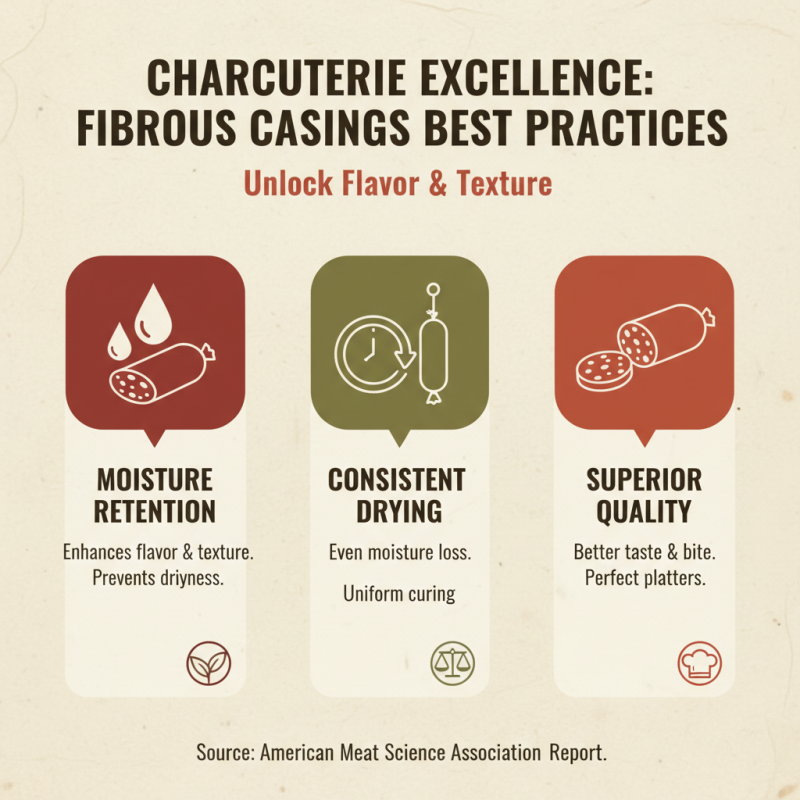
When crafting salami, fibrous casings are preferred for their unique impact on texture and flavor. These casings are made from a blend of cellulose and additional natural fibers. They allow for even drying, which helps achieve a desirable firmness while retaining moisture. According to the American Meat Science Association, the consistency in moisture loss can elevate the end product's quality.
The texture of salami in fibrous casings tends to be smoother and more uniform, which enhances the eating experience. This is partially due to precise control over the drying process. A report from Meat + Poultry notes that products in fibrous casings scored higher in sensory evaluations, particularly for mouthfeel and overall flavor. Salamis exhibit richer, more pronounced flavors, as the casing allows for better smoke penetration during the curing phase.
However, it is not without challenges. Some producers note that achieving the perfect moisture level can be tricky. Too much moisture can result in undesirable textures or spoilage. Meanwhile, under-drying may lead to an overly tough bite. Balancing these variables requires expertise and careful monitoring. Ultimately, fibrous casings, when used correctly, can significantly enhance salami's appeal.
Industry Statistics on Sausage Production with Fibrous Casings
The use of fibrous casings in sausage production shows significant trends in the charcuterie industry. A recent report highlights that about 30% of sausage products utilize fibrous casings. This statistic reflects a growing preference among producers for these versatile casings. They offer advantages in texture and presentation. For many artisans, fibrous casings help create that desired firm bite in salami.
In addition, the durability of fibrous casings allows for greater flexibility during the smoking and curing processes. Producers report that these casings retain moisture effectively, leading to enhanced flavor profiles. However, some producers face challenges with consistency in casing quality. Variations can affect the final product's look and taste. This reflects a broader issue of quality control across the industry.
Market research indicates that the demand for fibrous casings is rising steadily. Consumers appreciate the artisanal touch that these casings provide. Yet, it is essential for manufacturers to keep investing in technology and training. This ensures that the processes remain efficient and reliable. The intersection of tradition and innovation will shape the future of charcuterie.
Why Choose Fibrous Casings for Salami in Your Charcuterie?
The bar chart above illustrates the production volume of various sausage casings, highlighting the significant role that fibrous casings play in the production of salami. As evidenced, fibrous casings lead the market with the highest production volume, making them a preferred choice in charcuterie.
Best Practices for Using Fibrous Casings in Charcuterie Making
When choosing fibrous casings for salami, it's essential to understand their benefits in charcuterie making. These casings provide excellent moisture retention, which helps enhance the flavor and texture of the salami. According to a report by the American Meat Science Association, fibrous casings allow for a consistent drying process, which is essential for achieving the perfect balance of flavors. This consistency can result in a salami with better taste and bite, crucial for charcuterie platters.
Best practices involve correctly preparing these casings before use. Start by soaking fibrous casings in water to improve elasticity. This step is pivotal, as it prevents rupturing during stuffing. Ensure that the casing is evenly filled, maintaining an ideal diameter of 2 to 4 inches, as suggested by industry experts. While many homemade charcuteries succeed with fibrous casings, novice charcutiers may struggle with casing breakage. It's vital to monitor humidity and temperature closely, as these factors impact the drying process significantly. An imbalance can lead to uneven drying, affecting the final product quality.
Related Posts
-
10 Best Meat Nets for Perfectly Wrapped Meats?
-
Top 10 Uses for Mahogany Fibrous Casings What You Should Know
-
How to Choose the Best Butchers Net for Your Meat Preparation Needs?
-
2026 How to Use Meat Mesh for Perfect Cooking Techniques?
-

Top 10 Meat Mesh Products for Global Buyers to Consider?
-
Best Fibrous Casings for Salami How to Choose the Right Type?