How to Choose the Best Fibrous Casing Suppliers for Your Needs?

Choosing the right fibrous casing suppliers is crucial for your production. The quality of the casing affects both flavor and texture. A reliable supplier can elevate your product. However, the selection process can be daunting.

Factors such as price, quality, and service come into play. You may find many options, but not all are reliable. Some suppliers offer low prices but compromise on quality. Others may provide excellent service but at a higher cost. Take time to evaluate each option. Look for reviews and testimonials from other customers.

Switching suppliers can be a challenge. Discrepancies in casing could lead to inconsistencies in your product. Ensure your chosen supplier aligns with your standards. The importance of trustworthy fibrous casing suppliers cannot be overstated. Reflect on your past experiences and be cautious. Your choice influences your success in the market.

How to Choose the Best Fibrous Casing Suppliers for Your Needs?

Understanding Fibrous Casings and Their Applications

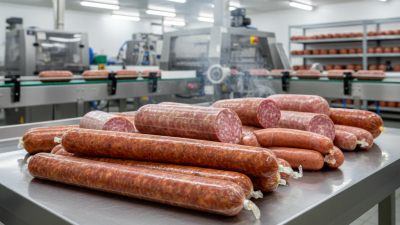
Fibrous casings are essential in the food industry. They are commonly used for making sausage products. These casings are made from natural and synthetic fibers. They provide strength and stability, ensuring that the product maintains its shape during processing.

Recent industry reports show that the fibrous casing market is projected to grow by 4.5% annually. This growth reflects the increasing demand for processed meat. Manufacturers seek ways to meet this demand efficiently. Yet, not all fibrous casings are created equal. Some may not be suitable for specific applications, leading to potential quality issues. It's crucial to evaluate the specific needs of your production process.

Applications for fibrous casings vary widely. They are used in dry, semi-dry, and cooked sausage products. These casings help in moisture retention, flavor enhancement, and improving shelf life. However, the clarity in specifications can sometimes be lacking. Suppliers may have differing standards, presenting a challenge when choosing the right one. Inadequate understanding of these nuances can impact product quality and customer satisfaction.
Key Factors to Consider When Selecting Fibrous Casing Suppliers

How to Choose the Best Fibrous Casing Suppliers for Your Needs?

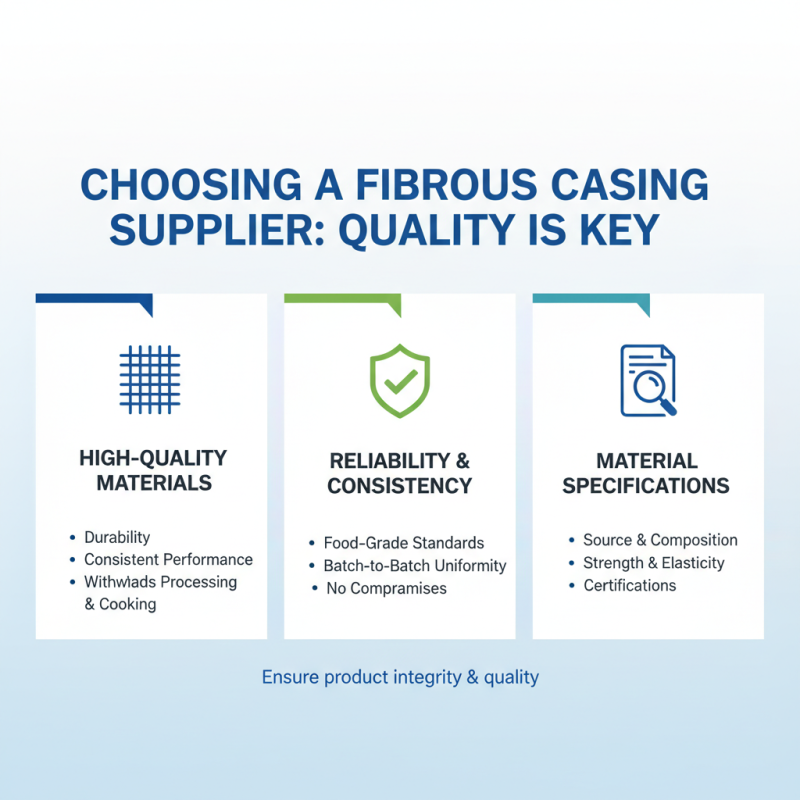
When choosing a fibrous casing supplier, quality is key. Look for suppliers that offer high-quality materials. Check for durability and performance in various conditions. Fibrous casings should withstand processing and cooking without compromising the end product. It’s important to inquire about the specifications of the materials used.

Cost is another crucial factor. Suppliers can vary widely in pricing. Get multiple quotes but remember that the lowest price may not always provide the best value. Evaluate the cost against quality and service. Sometimes, cheaper options lead to issues later. It might be tempting to go for a bargain, but think about reliability.

Customer service matters too. A responsive supplier can make your production process smoother. Look for suppliers who are willing to answer questions and offer support. Communication can save time and prevent errors in orders. Reviews and testimonials can provide insights into their reliability. Always reflect on how a supplier aligns with your specific needs and expectations.

Evaluating Supplier Quality and Certifications in Fibrous Casings

Selecting a reliable fibrous casing supplier is crucial for your business. Evaluating the quality of their products plays a significant role in your decision. Reports indicate that about 75% of manufacturers prioritize quality certifications when choosing suppliers. Certification can signify that a supplier adheres to industry standards and regulations. Common certifications include ISO 9001 and HACCP, pivotal for food safety.

A recent survey observed that 40% of suppliers with quality issues lacked proper certifications. This data underscores the importance of verification. You should ask potential suppliers for documentation showing their certifications. Inspect the materials they use, as this impacts durability and performance. High-quality materials often lead to fewer production problems, which saves time and money in the long run.

Moreover, it is wise to evaluate the supplier's history. Companies with a proven track record often indicate reliability. However, not all long-standing suppliers guarantee excellence. Some may struggle with adapting to new market demands. You need to find a balance between experience and innovation. Engage in direct discussions with suppliers to assess their capability and responsiveness.

Comparing Pricing and Value Among Different Fibrous Casing Providers

When choosing a fibrous casing supplier, pricing often plays a crucial role. You may encounter a wide range of prices across different providers. However, low prices can sometimes mean lower quality. Always check what is included in the price. Some suppliers offer additional services, like technical support or samples. This can add real value to your purchase.

Evaluate the overall value, not just the price tag. Consider the material quality and durability of the casings. Request samples to assess their performance. A supplier that charges more might provide a longer-lasting product. Sometimes, paying a bit extra is wise if it saves you costs in the long run.

You may also want to explore customer service. Responsive support can be invaluable. Ask questions to gauge their knowledge and willingness to help. This can be a red flag if they are unhelpful. Reflect on your specific needs. Each supplier's offer will differ and may not suit everyone. Take your time to research and compare thoroughly.

Assessing Customer Service and Support from Suppliers

When selecting fibrous casing suppliers, customer service plays a pivotal role. Assess their response times and availability. A supplier should be reachable during your operational hours. Quick responses show their commitment to your needs. If they take days to reply, consider that a red flag.

Support goes beyond just answering queries. Look for suppliers who offer guidance on product usage. Can they provide troubleshooting tips? Do they have resources for best practices? These aspects indicate a supplier's dedication to your success. It’s also beneficial if they help you understand various product options.

Evaluate their feedback process. Do they seek your opinions after purchase? Suppliers who care about customer input are likely to improve their services. Some suppliers may fall short and not genuinely listen. It’s essential to identify those we can rely on. A solid partnership hinges on effective communication and support.

We are using cookies on our website

Please confirm, if you accept our tracking cookies. You can also decline the tracking, so you can continue to visit our website without any data sent to third party services.