How to Choose the Best Winter Hoodie for Ultimate Warmth?
As winter approaches, many of us search for the perfect Winter Hoodie. According to industry reports, the global hoodie market is projected to reach $1.5 billion by 2025. This growth reflects the increasing demand for stylish yet functional outerwear. A well-chosen hoodie can enhance warmth and comfort during frigid temperatures.
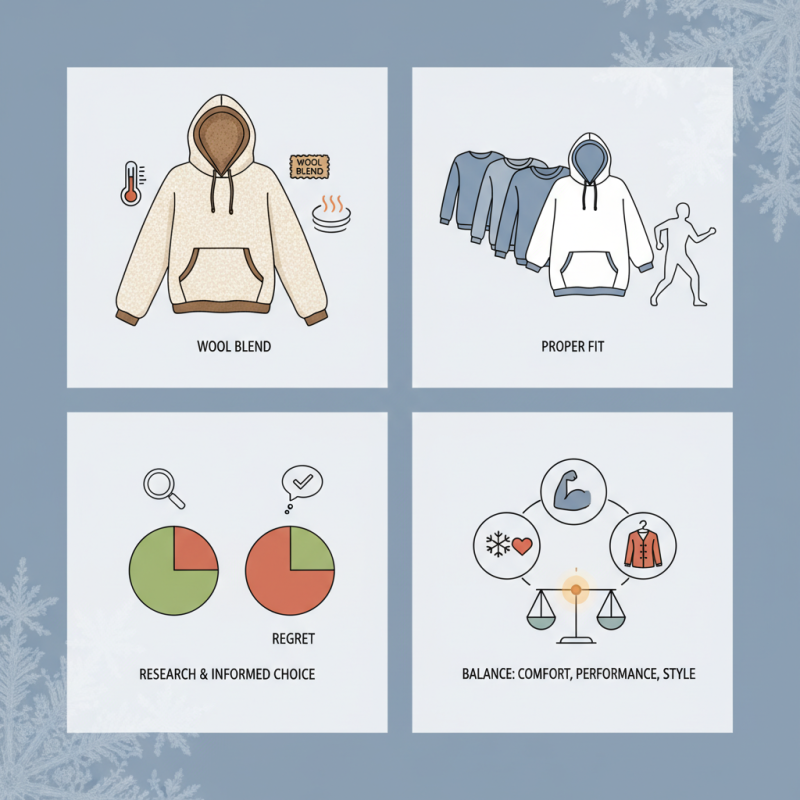
Not all hoodies are created equal. Factors such as material, insulation, and fit play crucial roles in overall warmth. Wool and fleece are known for their excellent insulating properties. Meanwhile, a proper fit allows for layering without compromising mobility. Experts emphasize that a quality Winter Hoodie should blend fashion with functionality. However, some consumers still overlook essential details in their selection process.
Understanding the nuances in designs and fabrics is vital to making an informed choice. Reports suggest that 40% of consumers regret their winter apparel purchases due to a lack of research. A thoughtful approach can lead to a more satisfying wardrobe that offers both style and warmth. Ultimately, selecting the right Winter Hoodie is about balancing comfort, performance, and personal style.
Understanding Different Materials for Winter Hoodies
When selecting a winter hoodie, the material is crucial for warmth. Different fabrics offer varying levels of insulation, breathability, and comfort. Fleece is a popular choice due to its softness and ability to trap heat. It's lightweight yet provides significant warmth, making it ideal for layering. Additionally, fleece dries quickly, which is a bonus for outdoor activities.
Wool is another excellent option. It offers natural insulation and wicks moisture away, keeping you dry and warm. Merino wool, in particular, is soft against the skin and doesn’t create the itchy feeling that some people dislike. On the other hand, synthetic materials like polyester are durable and can mimic the warmth of natural fibers. However, they may not always breathe as well, leading to discomfort in some situations.
Choosing the right fabric involves understanding your specific needs. Some might prefer the ruggedness of a blended hoodie. Others may need a lightweight option for quick trips outside. Reflecting on what you value most in a hoodie can help you find the best match. Comfort is personal, and everyone’s experience can differ based on these choices.
Evaluating Insulation Types for Maximum Warmth
When selecting a winter hoodie, understanding insulation types is crucial for warmth. Various materials offer different benefits. Down insulation is incredibly warm and lightweight, making it ideal for frigid conditions. However, it loses its effectiveness when wet. Synthetic insulation, like polyester, retains warmth even when damp and is often less expensive.
Consider the thermal efficiency of each insulation type. A report by the Outdoor Industry Association shows that layered insulation can significantly enhance thermal comfort. Layering allows for better moisture management. You may start with moisture-wicking base layers, followed by insulated pieces. This setup promotes optimal warmth.
Tips: Always check the fill power of down insulation. Higher numbers indicate better warmth-to-weight ratios. Look for features like adjustable hoods and cuffs; these create a snug fit, minimizing heat loss. Lastly, consider your activity level. If you are active, a breathable, lighter option may serve you better. Reflect on your winter activities to choose the right hoodie for your needs.
Sizing and Fit: Importance in Cold Weather Gear
When choosing a winter hoodie, sizing and fit are critical. A snug fit traps heat effectively, keeping you warm in icy conditions. Loose fit might seem comfortable, but it allows cold air to enter. Measure your chest and waist accurately. Compare these measurements against sizing charts. Different styles may fit differently, so it’s essential to try before you buy.
Consider the length of the hoodie. A longer cut can provide extra coverage, protecting your lower back. However, it should not restrict movement. Look for features like adjustable hoods and cuffs to secure a better fit. These small details can make a big difference in cold weather.
Lastly, reflect on the hoodie’s fabric. Heavier materials usually provide more warmth but may lead to discomfort if they don’t fit well. Pay close attention to how the hoodie feels when you wear it for an extended period. The right combination of fit, length, and material will enhance your winter experience significantly.
Key Features to Look for in a High-Quality Winter Hoodie
Choosing the right winter hoodie requires attention to several key features. Look for materials that provide warmth without bulk. Fabrics like fleece and wool offer excellent insulation while remaining lightweight. Breathability is crucial too. A well-ventilated hoodie prevents overheating during physical activities.
Consider the fit. A comfortable, slightly loose fit allows for layering but should not be too baggy. Look for adjustable elements like hoods and cuffs. These features help seal in heat and block out cold winds. Pockets are essential, not just for storage, but also for warming your hands.
Inspect the construction quality. Sturdy stitching and reinforced seams enhance durability. A high-quality zipper can make a significant difference in functionality. Reflective elements are a bonus for safety during dim winter evenings. While aesthetics matter, prioritize practicality and warmth in your choice. Each feature plays a role in creating the ultimate winter experience.
Styling Tips for Functionality and Fashion in Winter Wear
Winter wear combines functionality with style. A good hoodie should keep you warm while looking good in cold weather. When selecting a winter hoodie, consider materials like fleece or wool. These fabrics provide both insulation and comfort. Look for options with a lined hood for extra warmth.
Layering is key for winter styling. Pair your hoodie with a long-sleeve shirt or thermal top. This adds warmth without sacrificing style. Choose neutral colors for versatility. Darker shades often hide stains and wear better during winter. Accessories like scarves or beanies can elevate your outfit, making it stylish and cozy.
Don't overlook fit. A well-fitted hoodie enhances your silhouette. Avoid overly baggy styles; they can make you look larger. Experiment with different layers to find what feels best. It's okay if some combinations don't work out. Style is a journey, and learning what suits you takes time and practice.
Winter Hoodie Warmth Comparison