
How to Choose the Best Single Garden Gate for Your Home?

Choosing the best single garden gate is crucial for enhancing your home's appeal and security. According to a 2022 report by the Garden Gate Association, well-designed gates can increase property value by up to 15%. Experts like James Reynolds, a landscape architect, emphasize, “A single garden gate should reflect your home’s style while providing functionality.”

When selecting a gate, consider materials and design options that suit your landscape. Durability is essential; a wooden gate might not last as long in harsher climates. Additionally, maintenance can be a concern. Whether it's rust or decay, being proactive can prolong a gate's life. Assessing your needs and preferences is vital. Not every gate fits every home.

Remember, aesthetics and practicality shape the right choice. With so many options, a wrong pick could lead to unnecessary expenses. Engage with a professional to navigate these choices effectively. A single garden gate can be a striking centerpiece or an ordinary barrier; your decision will define its role in your garden space.
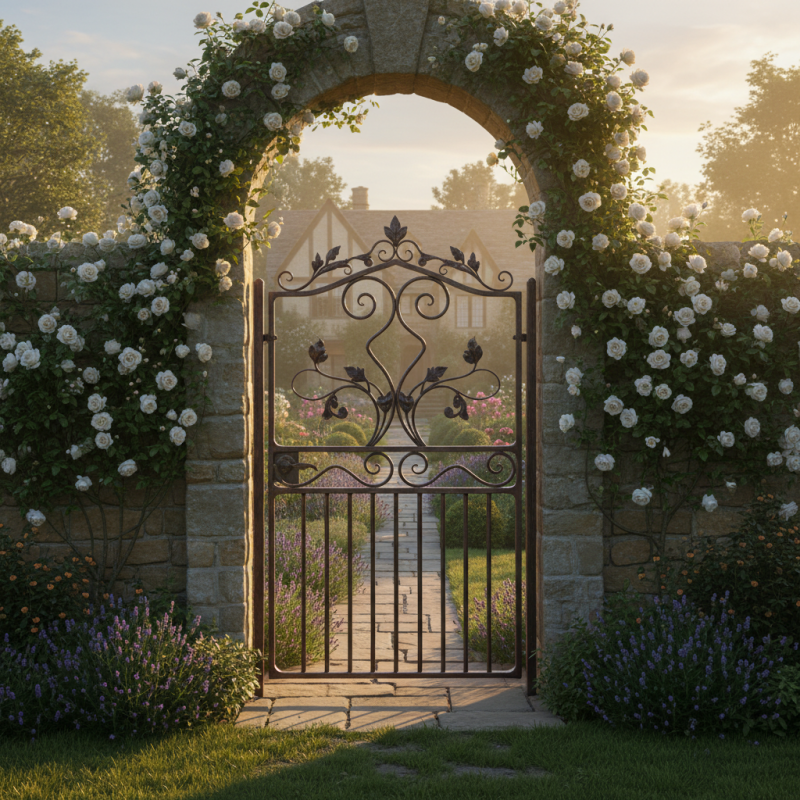
How to Choose the Best Single Garden Gate for Your Home?

Understanding the Purpose of Your Garden Gate

Choosing the right garden gate starts with understanding its purpose. A garden gate can serve multiple roles. It offers security, enhances aesthetics, and can provide a transition between spaces. Think about what you want it to achieve. Is it for keeping pets in or providing access to your garden? Defining its main purpose will guide your choice.

Consider size and style based on functional needs. A taller gate can provide privacy, while a lower one invites guests in. Materials also matter; wood gives a rustic feel, while metal ensures durability. Remember, not every gate suits every home. An ornate gate may not fit a minimalist design. Reflecting on these choices can lead to an imperfect but unique installation reflecting your taste.

Additionally, think about weather resistance in your region. Gates face the elements year-round. This consideration could influence the material and finish you select. A beautiful gate that warps or rusts quickly can become a frustrating investment. Always weigh your options carefully; this ensures a gate that enhances not just your garden, but also your home's character.

Evaluating Different Materials for Durability and Aesthetics

When choosing a single garden gate, material plays a pivotal role in durability and aesthetics. Steel gates, for example, offer great strength and are often galvanized to resist rust. According to the American Iron and Steel Institute, steel can last up to 30 years with proper maintenance. However, its weight may present installation challenges.

Wooden gates, while aesthetically pleasing, require more maintenance. They are prone to rotting and insect damage. Reports suggest that cedar and redwood are recommended for their natural resistance to decay. Yet, they might not hold up well in extreme weather conditions. Vinyl is another popular choice, providing a low-maintenance option that can mimic wood's appearance. It is resistant to fading, making it ideal for areas with high sun exposure.

Tips: Consider your local climate before selecting material. Assess the gate's intended use for security and beauty. If you want a budget-friendly option, remember that cheaper materials may need frequent replacements. Investing upfront might save you costs over time. Always measure the installation area meticulously to avoid mismatches. If unsure, consulting with professionals can clarify your options and prevent future regrets.

Comparison of Different Garden Gate Materials

Choosing the Right Size and Style for Your Space

Choosing the right size and style for your garden gate is essential. It sets the tone for your garden and home. The gate should fit seamlessly into your landscape. Consider the width. A gate too narrow can feel cramped. A gate too wide might overpower the space.

Style is equally crucial. Your garden gate acts as a focal point. It can reflect your home's architecture or contrast to add interest. Whether you prefer a classic wooden gate or a modern metal design, ensure it complements your yard. Pay attention to the colors too. They should harmonize with your house and garden.

Don’t forget functionality. A decorative gate may look appealing, but if it's hard to use, it won’t serve you well. Think about how often you will open and close it. Practicality is just as important as style. Reflect on these aspects to find the best fit for your home.

Considering Security Features and Locking Mechanisms

When selecting a garden gate, security features should be a top priority. Assessing the locking mechanisms is crucial. A sturdy lock can deter intruders effectively. Deadbolts are often recommended for their strength. Additionally, consider paddle locks or combination locks for ease of use and enhanced security. These options provide different levels of protection.

Next, think about the materials used in the gate’s construction. Metal gates usually offer better security than wooden ones. They are harder to breach and less susceptible to weather damage. However, this does not mean wood should be completely ruled out. High-quality wood can still provide adequate security when paired with a strong lock.

It’s also worth reflecting on your gate's placement. A gate located in a more visible area can discourage unwanted visitors. However, if it's hidden, will it require even stronger security? Evaluate these factors carefully. Sometimes, overlooked details can make a significant difference. A well-thought-out choice can enhance both security and aesthetic appeal.

Assessing Budget and Installation Options for Your Gate

When considering a single garden gate, budget plays a vital role. Determine how much you can spend before diving into options. A basic gate can range from affordable materials to more expensive custom designs. The size, material, and style of the gate will influence the overall cost. It's important to balance quality with affordability. A cheaper gate may require more maintenance or replacement sooner.

Installation is another critical aspect. Some gates are easy to install, while others may need professional help. Assess whether you have the skills to install the gate or if hiring a contractor is a better option. DIY projects can save money, but they might lead to mistakes. Research common installation issues to avoid future frustrations.

Consider the long-term investments in your garden gate. A seemingly inexpensive option might need frequent repairs. Reflect on how the gate complements your home and yard. It should enhance the overall aesthetic, not stick out awkwardly. Evaluate all factors to make the best choice for your space.

We are using cookies on our website

Please confirm, if you accept our tracking cookies. You can also decline the tracking, so you can continue to visit our website without any data sent to third party services.