
How to Choose the Right Hexagonal Washer for Your Project?

Choosing the right Hexagonal Washer for your project can significantly impact the overall outcome. Quality hexagonal washers ensure stability and load distribution. According to a report by the Fastener Industry Association, improper selection can lead to equipment failure and costly repairs.

Expert John Stevens, a recognized figure in fastener engineering, emphasizes, “Choosing a hexagonal washer is not just about size, but also material and application.” His insights underline the need for careful consideration in selection. The right material can resist corrosion and withstand higher loads, ultimately extending the lifespan of your projects.

While there are many options, not all hexagonal washers meet safety standards. If chosen incorrectly, these washers may fail under stress. This could compromise the integrity of your construction. Understanding specifications and industry standards is crucial. As projects evolve, so too does the importance of matching the right hexagonal washer to your specific needs.
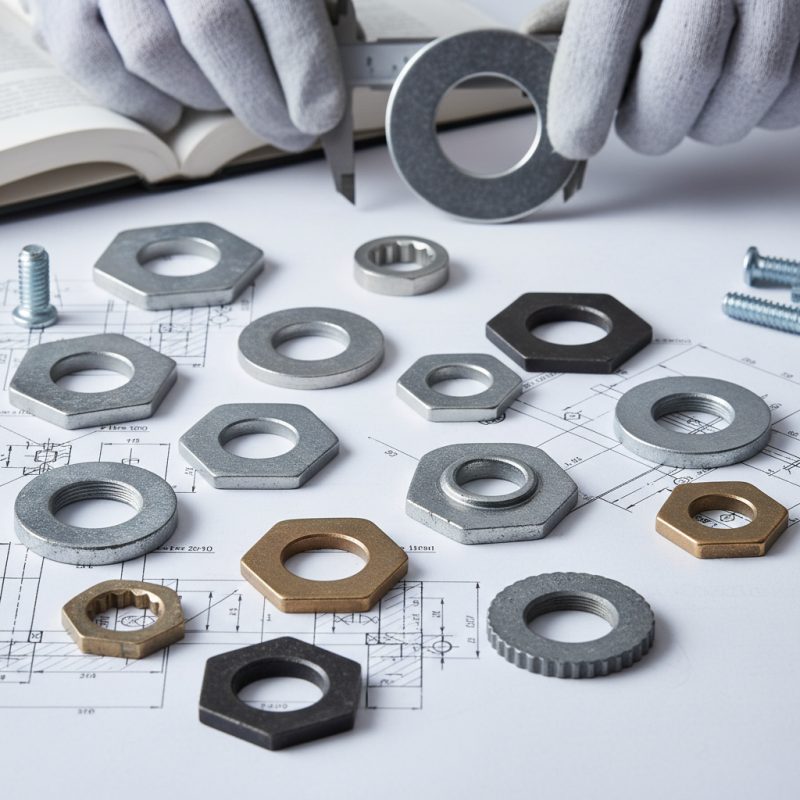
How to Choose the Right Hexagonal Washer for Your Project?

Understanding the Importance of Hexagonal Washers in Projects

Hexagonal washers play a crucial role in various construction and mechanical projects. They provide load distribution and prevent damage to the assembled parts. Studies show that improper washer selection can lead to a staggering 30% increase in equipment failure rates. Choosing the right hexagonal washer goes beyond mere aesthetics; it directly impacts the integrity and longevity of your project.

Material choice is foundational. For instance, stainless steel washers are preferred in environments prone to corrosion. According to industry reports, corrosive damage can reduce the lifespan of components by up to 50%. Moreover, ensuring the correct size and thickness minimizes the risk of loosening bolts under vibration, which affects nearly 20% of mechanical failures.

Understanding the load capacity is also vital. Hexagonal washers must match the specifications of bolts and nuts. A mismatch can result in uneven pressure distribution, compromising structural integrity. Studies indicate that 15% of a project budget can be lost due to such oversights. Choosing wisely requires attention to detail. Reflect on the specific needs and potential challenges of your project.

Analysis of Hexagonal Washer Usage in Different Projects

Identifying the Key Factors in Selecting Hexagonal Washers

Choosing the right hexagonal washer for your project requires careful consideration of several key factors. Material is one of the most significant aspects. Common materials include stainless steel, brass, and plastic. Each material serves a different purpose. Stainless steel is durable and resistant to corrosion. Brass offers a touch of elegance and is conductive. Plastic is lightweight and resistant to certain chemicals.

Next, consider the size and thickness of the washer. Ensure it matches your bolt or screw. An ill-fitting washer can lead to instability. Hexagonal washers are designed to distribute loads evenly. This is important in applications like machinery and construction. If you use the wrong size, it could compromise the integrity of your project.

Finally, think about the environment in which the washer will be used. Will it be exposed to moisture, heat, or chemicals? For example, if you are in a humid setting, corrosion-resistant materials become crucial. Reflect on all these aspects as you work through your project. The right choice impacts not just performance but longevity as well.

Exploring Different Materials Used for Hexagonal Washers

When selecting hexagonal washers, material choice is crucial. Common materials include stainless steel, carbon steel, and plastic. Stainless steel offers high corrosion resistance and durability. It's often preferred for outdoor projects or environments with moisture. According to a recent industry report, 45% of professionals choose stainless steel due to its strength and longevity.

Carbon steel, while less resistant to corrosion, is still widely used. It provides excellent load-bearing capabilities and is cost-effective. Many manufacturers suggest carbon steel for projects where extreme environmental conditions aren't a factor. Interesting data shows that 30% of users rely on carbon steel for its predictable performance in construction.

Plastic washers are another viable option. They resist rust and are lightweight, making them ideal for specific applications. However, their load-bearing capacity is generally lower than metal options. Some studies highlight that 15% of engineers opt for plastic in electronics and automotive designs. In the end, evaluating the specific needs of your project is essential. Each material has strengths and weaknesses that can influence your decision significantly.

Determining the Right Size and Thickness for Your Application

When selecting a hexagonal washer, size and thickness are crucial. These factors impact not only the performance but also the safety of your project. According to industry standards, the diameter typically ranges from 6 mm to 50 mm. The thickness can vary between 1 mm and over 10 mm, depending on the application. A washer that is too thin may not provide adequate load distribution, leading to failure in high-stress environments.

Choosing the right thickness is equally important. A study by the Fastener Manufacturers Association indicates that thinner washers can deform under pressure, while excessively thick options may increase costs without providing added benefits. It's essential to balance cost and structural integrity. Always consider the material involved, as different materials respond differently to stress.

Many professionals overlook the importance of proper sizing. This oversight can lead to ineffective fastening and maintenance issues later on. Evaluating the specific requirements of your project will help in making the right choice. In conclusion, understanding these details is essential before finalizing your purchase. Remember, the details can make a difference.

How to Choose the Right Hexagonal Washer for Your Project?

Application Washer Size (Diameter) Thickness Material Load Capacity
Wood Furniture Assembly M8 (16 mm) 2 mm Steel 500 kg
Metal HVAC Ducts M10 (20 mm) 3 mm Aluminum 700 kg
Automotive Applications M12 (24 mm) 4 mm Stainless Steel 600 kg
Industrial Machinery M14 (28 mm) 5 mm Carbon Steel 800 kg
Construction M16 (32 mm) 6 mm Bronze 900 kg

Evaluating the Cost and Availability of Hexagonal Washers

When evaluating the cost and availability of hexagonal washers for your project, it's essential to consider materials, size, and local suppliers. Prices can vary widely based on these factors. Stainless steel washers may be pricier, but they offer better corrosion resistance. Consider how their longevity affects overall project costs.

Availability is just as crucial as cost. Check local hardware stores and online marketplaces for supply. Some sizes may be more common than others, affecting delivery times. Large quantities might require special orders. Always confirm stock levels before planning your project timeline.

Tip: When comparing prices, factor in shipping costs. Sometimes local suppliers offer better deals to avoid additional fees.

Another point to reflect on is that not all washers meet the same standards. Verify that the washers meet the necessary specifications for your project. It may save you future headaches.

Tip: Keep a list of potential suppliers and their specials. This will help you stay updated on pricing trends and availability.

We are using cookies on our website

Please confirm, if you accept our tracking cookies. You can also decline the tracking, so you can continue to visit our website without any data sent to third party services.