
How to Choose the Right Receptacles Outlet for Your Needs?
Choosing the right Receptacles Outlet is crucial for any electrical installation. According to a report by the National Electrical Manufacturers Association (NEMA), over 70% of issues related to electrical failures stem from improper outlet selection. Expert electrician John Smith emphasizes, "A well-chosen receptacle can enhance safety and efficiency in any space."
With various types available, understanding your specific needs is essential. Receptacles come in different configurations, voltages, and amperages. The wrong choice can lead to functionality issues and safety hazards. In 2022, the Consumer Product Safety Commission reported approximately 20,000 electrical-related injuries, highlighting the necessity for careful selection.
Proper placement and type can vary greatly based on the environment. For instance, outdoor receptacles need to be weatherproof. Indoor outlets may prioritize aesthetics and accessibility. It's worth noting that not all installations are straightforward. Regular feedback from professionals leads to improvements in standards, yet many still overlook this critical aspect. Identifying the right receptacles outlet requires both knowledge and reflection on specific requirements.
Understanding Different Types of Electrical Receptacles and Their Uses
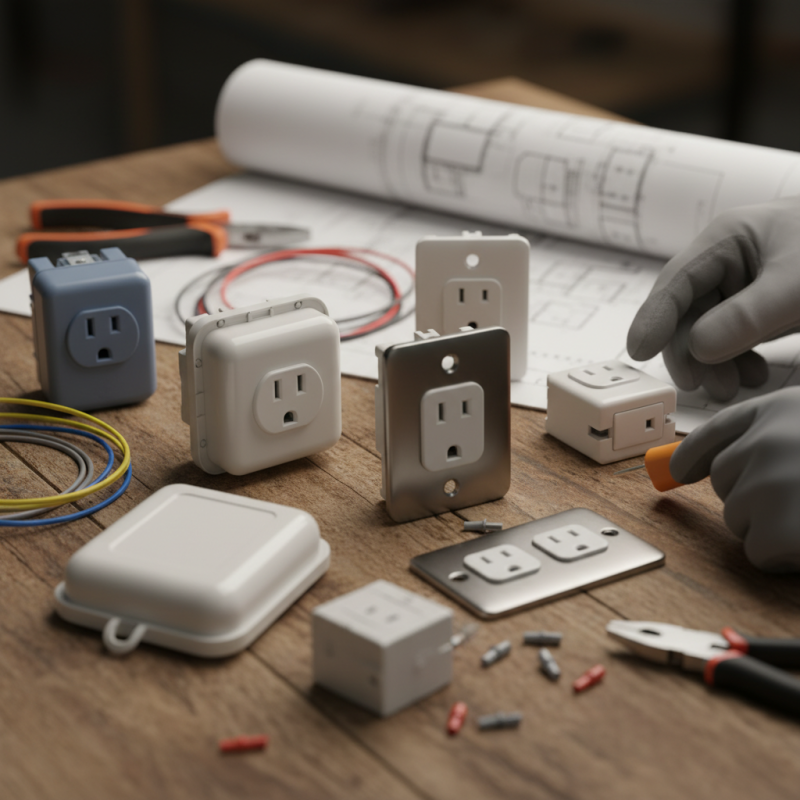
When selecting the right electrical receptacles, it's essential to know the types available. Standard duplex outlets are most common in homes. They suit everyday appliances. Ground fault circuit interrupters (GFCI) are critical in wet areas. They help prevent electrical shocks, especially in bathrooms and kitchens.
Consider using a continuous power outlet in high-use areas. These can power multiple devices without overloading circuits. USB outlets are also gaining popularity. They allow direct charging of devices without adapters.
Tips: Always check the voltage and amperage ratings. Ensure that your chosen receptacle matches your needs. Regularly inspect your outlets for wear and tear. Outdated or damaged receptacles can pose safety hazards. Remember, electrical work should be handled carefully. If unsure, consult a professional electrician.
Evaluating Voltage and Current Requirements for Specific Applications
Choosing the right receptacle outlet involves understanding your voltage and current needs. Different devices require different ratings. For example, a typical household outlet generally supports 120 volts. However, heavy-duty tools or appliances may need 240 volts. Be aware of what your device requires.
When assessing outlets, evaluate both voltage and current ratings. Check the amperage as it dictates how much electrical flow can pass through. For example, a 15-amp outlet is common in residential areas. Yet, some appliances use 20 amps or more. It’s crucial to match the outlet to the device’s requirements.
**Tips:** Always check the specifications on your devices. Ensure the outlet supports the required voltage and current. If unsure, consult an electrician. Also, consider future needs; you might require additional power. Avoid undersizing your outlet, as this can cause overheating. Think about the long-term implications of your choices, as your needs may change.
How to Choose the Right Receptacles Outlet for Your Needs?
| Application | Voltage (V) | Current Rating (A) | Recommended Outlet Type |
|---|---|---|---|
| Standard Household Appliances | 120 V | 15 A | NEMA 5-15R |
| Air Conditioners | 240 V | 20 A | NEMA 6-20R |
| Power Tools | 120 V | 20 A | NEMA 5-20R |
| Electric Vehicle Charging | 240 V | 30 A | NEMA 14-50R |
| Refrigerators | 120 V | 15 A | NEMA 5-15R |
Assessing Features: Tamper-Resistant, Weather-Resistant, and Smart Outlets
Choosing the right receptacles for your home is essential. One critical feature to consider is tamper-resistant outlets. These outlets have an internal mechanism that closes off access to the electrical slots until a plug is inserted. This design helps prevent accidental shocks, especially in households with children. It adds a layer of safety, but they may be slightly more expensive than standard options.
Weather-resistant outlets are another vital choice, particularly for outdoor use. These are designed to withstand moisture and other environmental factors. Installation in damp areas, such as patios or gardens, reduces the risk of electrical hazards. However, some may note that they can be less aesthetically pleasing. This could be an area for improvement in future designs.
Smart outlets are gaining popularity due to their convenience. They can be controlled via mobile apps or home automation systems. Users can monitor energy usage or schedule devices remotely. Yet, the installation process may be more complicated compared to traditional outlets. It’s crucial to weigh the benefits against the potential challenges. Each outlet type has its pros and cons, so assessing your specific needs is vital.
Installation Considerations: Placement, Accessibility, and Safety Compliance
When choosing the right receptacle outlet, placement, accessibility, and safety compliance are critical factors. Installing outlets at convenient heights ensures they are easy to access. For example, kitchen countertops benefit from outlets installed above them, allowing easy use of appliances.
Consider placing outlets away from water sources to adhere to safety regulations. Bathrooms, for instance, require GFCI outlets to prevent electrical shocks. This compliance with safety standards protects your family and enhances the functionality of your spaces.
**Tips:** Always think about user habits. If you're using a tool frequently, position the outlet within arm's reach. In living areas, place outlets near furniture to prevent trailing cords. Reflect on how your outlet placement impacts daily activities. An often-forgotten aspect is ensuring outlets are not hidden behind large furniture, which can make access difficult.
Maintenance and Safety Tips to Ensure Long-Term Functionality of Outlets
Proper maintenance of receptacles is essential for long-term functionality. Check outlets regularly for signs of wear or damage. Look for discoloration or burn marks. These could indicate a serious problem. If you notice any issues, it’s crucial to address them immediately. Ignoring small problems can lead to bigger, more costly issues down the road.
Safety is paramount when dealing with electrical outlets. Always turn off the power before performing any repairs. Use ‘childproof’ outlet covers in homes with young children. This simple step can prevent accidents. Additionally, avoid overloading outlets with multiple devices. It’s a common mistake that often leads to short circuits or even fire hazards. Regularly test GFCI outlets to ensure they are functioning correctly.
Lastly, keep outlets dust-free. Accumulated dust can lead to overheating. A soft, dry cloth will suffice for this task. Remember, maintaining your outlets is part of ensuring home safety. Think about the state of your outlets. Poor upkeep might cause problems you didn’t foresee. Regular attention will keep your electrical system running smoothly and safely.


