
How to Choose the Right Silicone Tube for Your Needs?
Choosing the right Silicone Tube is crucial for various applications. With so many options available, it can be overwhelming. Understanding your specific needs is essential. Silicone tubes vary in size, shape, and flexibility, which directly impacts their performance.
Consider the environment where the Silicone Tube will be used. Will it be exposed to extreme temperatures or chemicals? Such factors play a significant role in your selection. Additionally, think about the tube's diameter and wall thickness. These details can affect airflow and pressure levels.
It's also important to research manufacturers and suppliers. Not all products are created equal. Reliable brands provide quality materials. Take the time to read reviews and compare specifications. This approach helps ensure you make an informed decision. Ultimately, the right Silicone Tube enhances your project's efficiency and longevity.
Understanding Different Types of Silicone Tubes and Their Applications
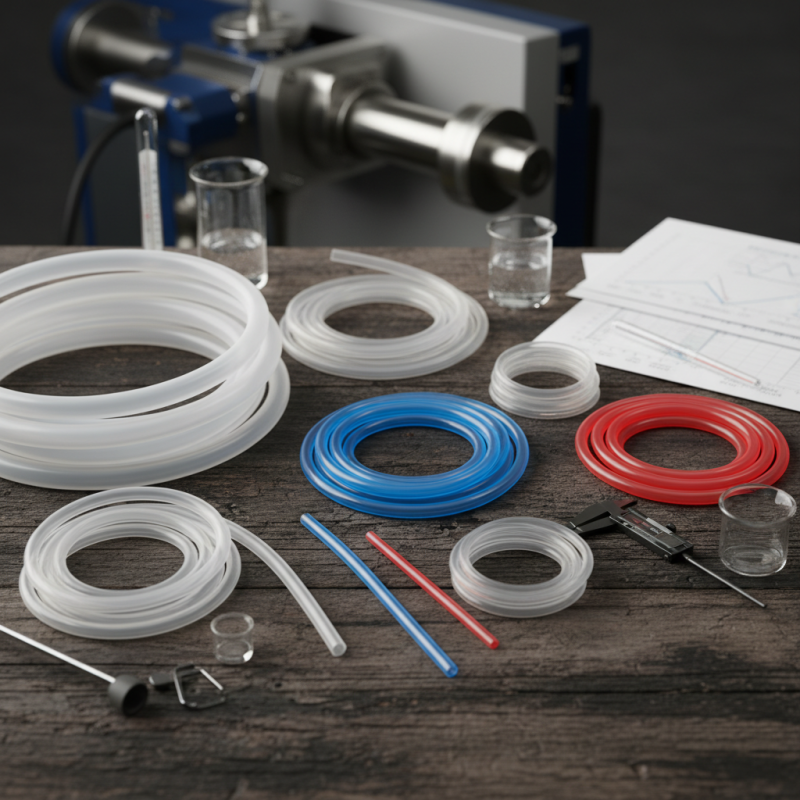
When selecting a silicone tube, it’s essential to understand the various types available. Silicone tubes are commonly categorized by their temperature resistance, flexibility, and intended application. For instance, high-temperature silicone tubes can withstand extreme heat, making them ideal for automotive or industrial uses. In contrast, softer silicone tubes excel in medical or food-related applications, where flexibility is crucial.
Different industries may require specific characteristics in silicone tubing. Medical-grade silicone is regulated for safety. It’s crucial in healthcare to prevent contamination. Food-safe silicone is another critical type, ensuring compliance with health standards. While these specifications sound straightforward, the wide range of products can be overwhelming.
It’s also important to consider the environment in which the tube will operate. Factors like UV exposure, chemical contact, and pressure contribute to the tube's longevity and performance. Sometimes, users overlook these factors, leading to premature failure. Admittedly, realizing the need for additional features can be challenging, but comprehensive research and expert advice can guide better decisions.
How to Choose the Right Silicone Tube for Your Needs?
| Type of Silicone Tube | Temperature Resistance | Application | Durometer | Color Options |
|---|---|---|---|---|
| Standard Silicone Tubing | -60°C to 200°C | Fluid Transfer, General Use | Shore A 50 | Transparent, Red, Blue |
| Reinforced Silicone Tubing | -60°C to 200°C | High Pressure Applications | Shore A 60 | Transparent, Blue |
| Medical Grade Silicone Tubing | -50°C to 150°C | Medical Devices, Pharmaceuticals | Shore A 40 | Transparent, Yellow |
| High-Temperature Silicone Tubing | -60°C to 300°C | Automotive, Aerospace | Shore A 70 | Black, Red |
| Silicone Vacuum Tubing | -60°C to 200°C | Vacuum Applications | Shore A 55 | Transparent, Green |
Factors to Consider When Choosing the Right Silicone Tube Size
Choosing the right silicone tube size involves several key factors. First, consider the diameter. Measure the internal diameter if the tube will connect with fittings. A tight fit is crucial for preventing leaks. Too large can lead to flow issues.
Next, think about the length required for your application. Measure twice to ensure accuracy. A longer tube can create friction, impacting performance. A short tube may not meet your needs. Balancing length and diameter is essential for optimal function.
Lastly, assess the wall thickness. Thicker walls can provide strength and durability. However, they may limit flexibility. If your application requires bending, a thinner wall may be better. Evaluate your unique needs carefully. The right balance can be tricky, but it's vital for achieving the desired outcome.
Evaluating the Temperature Resistance and Chemical Compatibility
When selecting a silicone tube, understanding temperature resistance and chemical compatibility is vital. Silicone is known for its excellent heat resistance, often functioning between -60°C to 230°C. Some specialized grades can endure even higher temperatures. However, specific applications may expose the material to extreme conditions. Knowing how your silicone tube performs in all potential temperature scenarios is essential.
Chemical compatibility is equally important. Silicone tubing can resist numerous chemicals, including acids and bases. However, exposure to certain solvents might degrade the material over time. Studies indicate that prolonged contact with harsh chemicals can lead to premature failure. Users must check compatibility data specific to their application to avoid unexpected issues. Testing with actual substances under the intended conditions is a best practice.
It's a common challenge to balance performance characteristics with actual operational needs. What works in theory may not always align with real-world applications. Some manufacturers provide detailed chemical resistance charts, but results can vary based on concentration and exposure duration. Analytical testing may reveal corrosion or degradation that standard reports do not address. Prioritize data from reliable, independent sources to enhance decision-making in selecting the right silicone tubing for your projects.
Assessing the Pressure Ratings and Durability of Silicone Tubes
Choosing the right silicone tube involves understanding its pressure ratings and durability. Pressure ratings indicate the maximum pressure the tube can withstand. A tube with a higher rating is generally more robust and suitable for demanding applications. It's crucial to match the pressure rating with your specific needs. For example, a tube used in a hydraulic system must handle higher pressures than one utilized in a simple water transfer.
Durability is another key factor. Silicone tubes can vary widely in their resistance to wear and environmental factors. Consider how the tube will be used. Will it face extreme temperatures or frequent motion? Pay attention to the material composition. Some silicone tubes are engineered for flexibility, while others prioritize strength. Real-world conditions can sometimes expose weaknesses. Testing in the actual environment can reveal performance issues not evident in controlled settings. Always consider your unique requirements before making a decision.
Tips for Proper Maintenance and Installation of Silicone Tubing
When working with silicone tubing, proper maintenance and installation are crucial. Silicone is durable but can be susceptible to damage if not cared for correctly. Regular checks for wear and tear are essential. If you notice any cracks or discoloration, it may be time to replace the tubing.
Tips for maintenance:
- Clean the tubing with mild soap and water.
- Avoid harsh chemicals that could degrade the silicone.
- Ensure that the working environment is free from extreme temperatures. High heat or cold can cause the silicone to lose its flexibility.
During installation, proper fitting is vital. Use clamps to secure the tubing but avoid over-tightening. This can lead to kinks or breaks in the material. Check if the tubing bends smoothly around corners. A sharp bend can create stress points that weaken the structure. Always have extra lengths on hand in case adjustments need to be made later.


