What are clear fibrous casings and how are they used?
Clear fibrous casings are essential in the meat processing industry. According to John Thompson, an expert in casing technology, “These casings provide both functionality and visual appeal.” They are widely used in making sausages and other meat products. Their transparency allows consumers to see the quality of the meat inside, creating trust and transparency.
These casings are made from natural and synthetic fibers, providing strength and durability. They can withstand high temperatures during cooking and smoking processes. However, not all clear fibrous casings are perfect. Some can experience leaks if improperly handled. This indicates a need for careful management during production and packaging.
Despite advancements, challenges remain. Ensuring consistency in quality is vital. The balance between aesthetics and practicality must be addressed. Clear fibrous casings serve as a bridge between tradition and innovation, influencing consumer experiences significantly.

Definition and Composition of Clear Fibrous Casings
Clear fibrous casings are a type of food packaging used primarily in the meat industry. They are designed to mimic the look of natural casings while offering greater durability and flexibility. These casings are typically composed of regenerated cellulose. This material allows for moisture and smoke permeation while preventing fat loss during cooking. It’s interesting to note that many chefs and processors prefer these casings for their consistency and ease of use.
In recent reports, over 60% of sausage manufacturers have adopted clear fibrous casings. These casings enable uniform cooking results and a longer shelf life. Moreover, they are often produced in different diameters to meet varied market demands. A typical clear fibrous casing can withstand high temperatures, making it ideal for products like smoked sausages. Using these casings can reduce shrinkage by 15%, greatly benefiting the final product’s appearance and texture.
Despite their advantages, some industry experts express concerns. There are debates regarding the environmental impacts of synthetic materials like regenerated cellulose. Balancing sustainability with performance remains a challenge. Additionally, some consumers may be wary of processed casings, preferring natural options. These considerations push manufacturers to innovate further while addressing market trends and consumer preferences.
How Clear Fibrous Casings are Manufactured
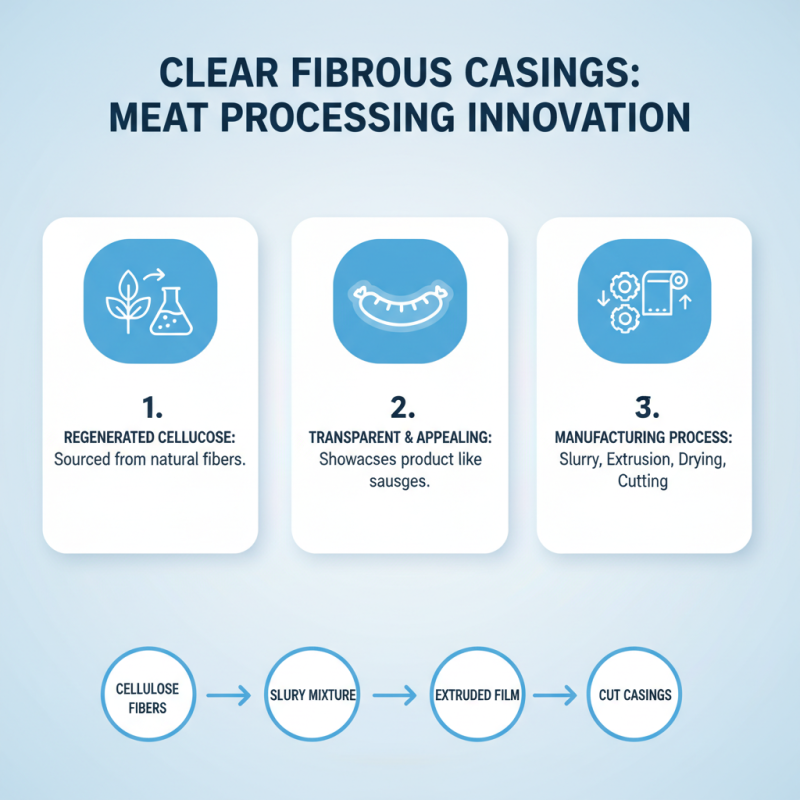
Clear fibrous casings have gained significant traction in the meat processing industry. They are made from regenerated cellulose, providing a transparent, appealing look to sausages. The manufacturing process begins with cellulose fibers being processed into a slurry. This mixture is extruded through a die, creating a thin film. Once dried, the casings are cut to required lengths.
These casings allow for even cooking and moisture retention. Industry reports suggest that up to 30% of meat processors prefer clear fibrous casings for their aesthetic benefits. The transparent nature lets consumers see the product inside, enhancing its visual appeal. However, they can be challenging to handle. A study highlighted that improper handling might lead to tears or breaks, risking the quality of the final product.
The production of clear fibrous casings must also meet stringent quality standards. Manufacturers are tasked with maintaining a consistent thickness to ensure uniform cooking. Despite advancements, there are still inconsistencies in batch quality. This issue needs addressing to improve overall reliability in production. Understanding these manufacturing nuances is crucial for meat processors aiming to enhance product appeal and maintain quality standards.
Common Uses of Clear Fibrous Casings in Food Processing
Clear fibrous casings are essential in the food processing industry, especially for meat products. These casings are made from collagen, providing a robust structure that allows for optimal smoke penetration and flavor enhancement. The clear nature of these casings offers consumers a glimpse of the product inside, promoting quality perception. According to industry reports, the market for clear casings is expected to grow at a CAGR of 5.2% from 2021 to 2026. This reflects a rising consumer preference for transparency in food.
In particular, clear fibrous casings are commonly used in sausages, salamis, and bolognas. They can hold a variety of fillings, making them versatile for different recipes. The ease of stuffing and the ability to withstand high temperatures during cooking set them apart. However, challenges persist. Poor handling can lead to breakage during filling or cooking, impacting product quality. Moreover, achieving the right balance of thickness is crucial, as thinned casings might not hold the filling effectively.
Safety standards and regulations in food processing must be adhered to closely. Using casings that do not meet these standards could pose health risks. The industry is continuously pushing for innovations to address these concerns. Those involved in food processing need to remain vigilant and adaptive to ensure quality and safety.
What are Clear Fibrous Casings and How are They Used?
| Application | Description | Advantages | Common Products |
|---|---|---|---|
| Sausage Making | Used to encase ground meat mixtures for various types of sausages. | Provides a natural appearance and excellent smoke flavor penetration. | Hot dogs, salamis, and pepperoni. |
| Deli Meats | Ideal for forming deli meat products that require a uniform shape. | Enhances product presentation and reduces moisture loss. | Bologna, turkey, and ham. |
| Cheese Products | Used for encasing processed cheese items. | Maintains cheese integrity and aids in portion control. | Cheese logs and cheese spreads. |
| Cooking and Smoking | Facilitates even cooking and smoking of products. | Enhanced flavor development and consistent texture. | Smoked sausages and hams. |
Benefits of Using Clear Fibrous Casings
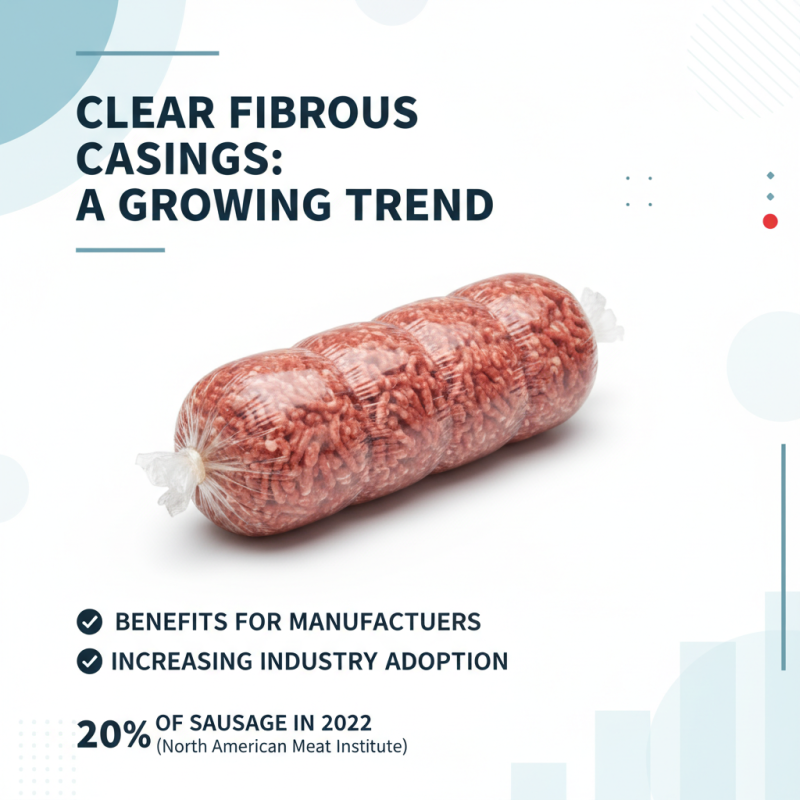
Clear fibrous casings are popular in sausage production. Their use offers several benefits that many manufacturers appreciate. According to the North American Meat Institute, in 2022, about 20% of sausage produced was packaged in these casings. This trend reflects their growing popularity across the industry.
One significant advantage of clear fibrous casings is their transparency. This allows consumers to see the product inside, enhancing visual appeal. Clear casings also provide excellent moisture retention. Studies show that they can keep moisture levels up to 25% higher than traditional casings. This can lead to a juicier product that many consumers enjoy.
Another benefit is their durability. Clear fibrous casings can withstand high temperatures during cooking. This property ensures that sausages maintain their shape and integrity while cooking. However, some users report that not all casings hold up equally under different conditions. This inconsistency is something manufacturers should consider when choosing their materials. Finding the right balance of quality and cost can be challenging in this competitive market.
Comparison of Clear Fibrous Casings with Other Casing Types
Clear fibrous casings are a popular choice in the food industry, especially for sausages. They offer a transparent view of the product inside, which is visually appealing to consumers. Unlike natural casings, clear fibrous casings do not require animal intestines. This makes them a suitable option for various dietary preferences. They are made from a blend of cellulose and other materials, providing a strong and consistent texture.
When comparing clear fibrous casings with other options, several differences emerge. Natural casings are often preferred for their traditional flavor and texture. However, they can be inconsistent in size and shape, which is not always ideal for mass production. On the other hand, synthetic casings, while uniform, can impact the final product's taste if not chosen wisely. Clear fibrous casings strike a balance by offering both durability and a clean presentation. They are easier to handle and require less preparation than natural varieties.
Some might find transparency distracting. It could overshadow the quality of the meat inside. There is also the challenge of ensuring the casing doesn’t overpower the flavor. Each casing type has its own strengths and weaknesses, and the choice often depends on specific product goals. Rather than solely convenience, the context of usage should also be considered. Each method presents opportunities and challenges in achieving the desired culinary result.
Related Posts
-
What is Clear Fibrous Casings and How Are They Used in Food Industry
-

10 Essential Tips for Using Cellulose Casing in Sausage Making?
-
10 Essential Tips for Choosing Fibrous Salami Casing?
-

What is the Best Net for Cooking Meat for BBQ and Grilling
-

How to Choose the Best Fibrous Casing Suppliers for Your Needs?
-

10 Essential Tips for Cooking Meat in Netting Successfully