
What is Clear Fibrous Casings and How Are They Used in Food Industry
Clear fibrous casings are an essential component in the food industry, playing a vital role in the production of a wide variety of processed meats and sausages. These casings, made from natural or synthetic fibers, are designed to provide strength and durability while allowing for uniform cooking and effective moisture and smoke retention. Their transparent nature provides an appealing visual presentation, enabling consumers to see the quality and texture of the product inside.
In recent years, the use of clear fibrous casings has gained popularity among manufacturers seeking to enhance the aesthetic and functional aspects of their products. By utilizing these casings, producers can ensure that their meats not only maintain their flavor and juiciness but also become more visually attractive on store shelves. Moreover, the versatility of clear fibrous casings allows for various customizations in terms of size, shape, and thickness, catering to diverse consumer preferences and market demands.
Ultimately, clear fibrous casings are indispensable in the food industry, influencing everything from production efficiency to consumer satisfaction. As trends in food presentation and quality continue to evolve, the role of these casings will undoubtedly remain significant, highlighting their importance in modern food processing and packaging methodologies.
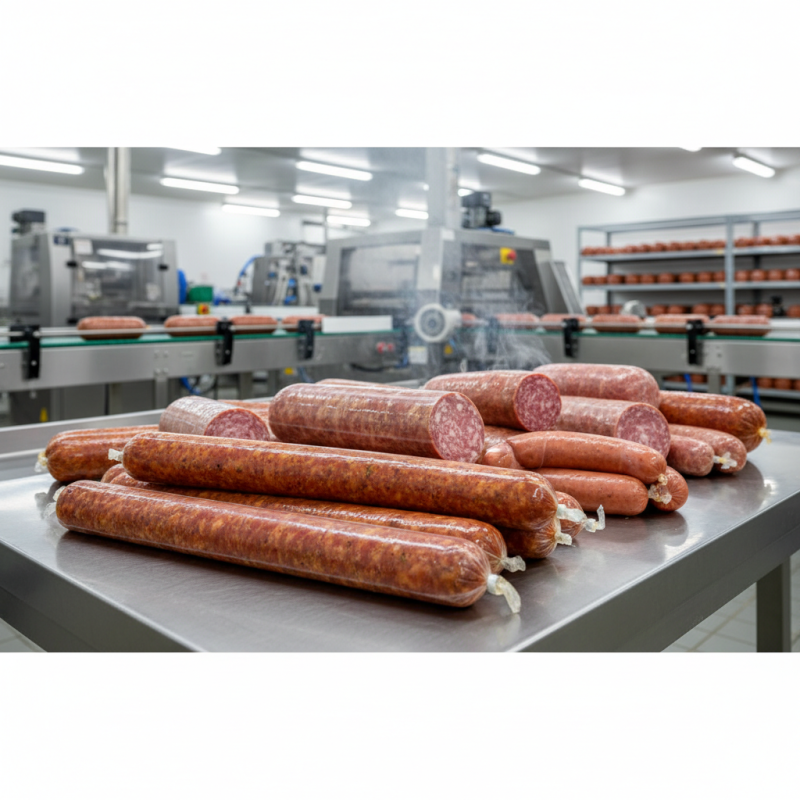
What Are Clear Fibrous Casings?
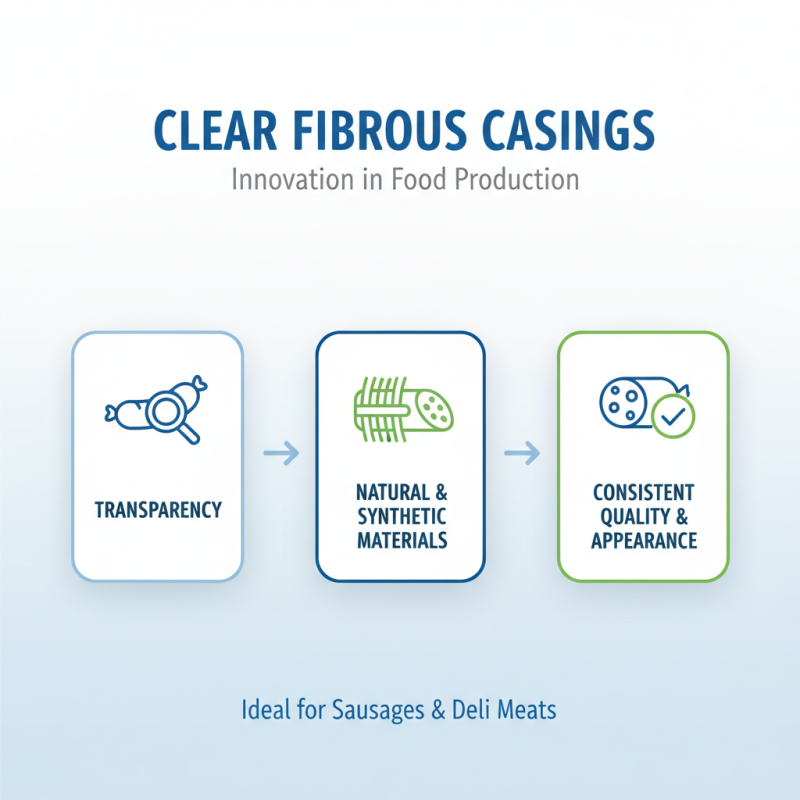
Clear fibrous casings are specialized products used extensively in the food industry, primarily in the production of various types of sausages and deli meats. These casings are made from a combination of natural and synthetic materials, designed to mimic the appearance and texture of traditional animal intestines while providing a consistent, reliable product. Their transparent nature allows consumers to see the quality and composition of the meat within, catering to the increasing demand for transparency in food production.
According to industry reports, the global market for fibrous casings is expected to reach approximately $2 billion by 2027, reflecting a significant growth driven by the rise in processed meat consumption. These casings are particularly favored for their ability to retain moisture and flavors during cooking, which enhances the overall quality of the final product. Additionally, clear fibrous casings are favored for their ease of handling and processing. They offer high strength and durability during the stuffing and cooking processes, helping manufacturers maintain efficiency in production operations.
The versatility of clear fibrous casings also allows for various applications, such as the production of specialty meats and cured products, catering to diverse consumer preferences. As the market evolves, innovations in casing technology continue to emerge, with ongoing research focusing on improving barrier properties and enhancing product safety, ensuring that clear fibrous casings remain a crucial component of the food industry.

Composition and Manufacturing Process of Clear Fibrous Casings
Clear fibrous casings are an essential component in the production of various meat products, providing structure and stability while showcasing the appealing appearance of the food inside. These casings are typically made from a blend of natural and synthetic materials, including collagen and cellulose, which contribute to their strength and clarity. The manufacturing process involves several steps, such as harvesting raw materials, treating them to enhance their properties, and transforming them into the casings required for food applications.
To create clear fibrous casings, manufacturers start with the preparation of collagen sourced from animal by-products, which is then purified and modified to meet specific culinary standards. The cellulose component is often derived from plant fibers, ensuring that the final product is both sturdy and flexible. After combining these materials, the mixture undergoes extrusion, where it's shaped into long tubular forms. Once formed, the casings are dried and treated to achieve the desirable transparency that allows consumers to see the quality of the product within. This manufacturing process not only enhances the visual appeal of the finished food items but also supports the preservation and safety of the products during processing and storage.
Clear Fibrous Casings in Food Industry
Applications of Clear Fibrous Casings in the Food Industry
Clear fibrous casings are gaining traction in the food industry due to their versatility and reliability in food processing. These casings, typically made from natural or regenerated cellulose, are predominantly used for encasing a variety of meat products, including sausages, hams, and even cheeses. According to industry reports, the global market for fibrous casings is expected to grow steadily, projected to reach USD 1.2 billion by 2025, driven largely by the demand for innovative food products and convenient packaging solutions.
The applications of clear fibrous casings are extensive. They are particularly favored for their ability to maintain product integrity during cooking and processing, ensuring that flavor profiles are preserved while allowing for an appealing presentation. Moreover, these casings are ideal for creating products with distinctive textures and are often employed in dry or semi-dry sausage formulations, which are increasingly popular among consumers looking for gourmet and artisanal options. A study published in the Journal of Food Science highlights that fibrous casings can improve moisture control, ultimately leading to enhanced shelf life and product quality.
Tips: When using clear fibrous casings, it’s crucial to select the appropriate size and type for the specific application to ensure optimal processing. Additionally, proper storage conditions should be maintained to prevent any degradation of the casings prior to use. Adapting cooking and smoking times according to casing specifications can also yield better results in terms of flavor and texture.
Advantages of Using Clear Fibrous Casings in Food Production
Clear fibrous casings are gaining traction in the food industry for their unique combination of functionality and aesthetic appeal. These casings, typically made from natural or regenerated cellulose, serve to enhance the presentation of various meat and sausage products. One significant advantage of using clear fibrous casings is their ability to maintain product integrity during the cooking and processing stages. Studies indicate that products encased in clear fibrous casings can exhibit reduced moisture loss, which leads to improved yield and consistent texture. According to a report by the North American Meat Institute, meat products utilizing high-quality casings show up to a 10% increase in weight retention compared to those packaged in traditional casings.
Another notable benefit is the visual appeal that clear fibrous casings provide. They allow consumers to see the product inside, creating a perception of freshness and quality. This transparency can be particularly advantageous in retail settings, where presentation plays a crucial role in purchasing decisions. Industry research suggests that 67% of consumers are more likely to purchase products that visually appeal to them, highlighting the significant impact of packaging on consumer behavior. Clear fibrous casings also offer flexibility in terms of size and shape, enabling manufacturers to create a diverse range of products that can cater to varying consumer preferences. Overall, the advantages of clear fibrous casings in food production contribute to enhanced product quality, consumer satisfaction, and operational efficiency for producers in the meat industry.
What is Clear Fibrous Casings and How Are They Used in Food Industry - Advantages of Using Clear Fibrous Casings in Food Production
| Dimension | Description | Advantages |
|---|---|---|
| Material | Typically made from collagen and cellulose | Durable and withstands high temperatures |
| Transparency | Clear casings allow visibility of the product | Enhances consumer appeal by showcasing quality |
| Usage | Used in sausages, meats, and cheese production | Versatile for various food items |
| Size Variety | Available in multiple sizes | Customization for different product types |
| Cooking Method | Suitable for steaming, roasting, and smoking | Flexible for various cooking techniques |
| Shelf Life | Helps in prolonging shelf life | Reduces spoilage and waste in food production |
Regulations and Safety Considerations for Clear Fibrous Casings
Clear fibrous casings are increasingly popular in the food industry for their versatility and aesthetic appeal. However, along with their usage, there are essential regulations and safety considerations that must be adhered to. These casings are often made from materials such as collagen or cellulose, which must meet specific health and safety standards set forth by food safety authorities. Compliance with regulations is critical to ensure the safety of the final product for consumers, as improper use or substandard materials can lead to health risks.
In many countries, clear fibrous casings must be tested for food safety and approved for use in food products. This involves rigorous assessments of the materials to ensure they do not leach harmful substances or pose any contamination risk. Manufacturers must also follow good manufacturing practices (GMP) to maintain hygiene and prevent cross-contamination during the production of food items encased in these materials. Regular inspections and adherence to labeling requirements are also vital to assure consumers of the safety and quality of the products they purchase.
Overall, while clear fibrous casings offer significant benefits in food processing, maintaining strict compliance with regulations is paramount to safeguard public health.