How to Use Cooking Netting for Perfectly Cooked Meals?

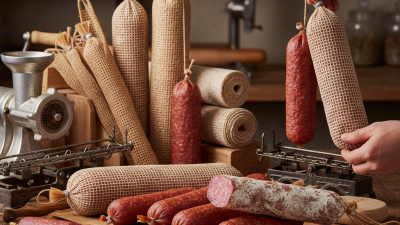
Cooking netting is a versatile tool that can elevate your culinary experience. This unique material is often used for encasing meats, vegetables, and herbs. It helps retain shape and moisture during cooking. Many chefs appreciate cooking netting for its ability to offer consistent results.

Using cooking netting requires some practice. Overtightening can alter the texture of your dish. However, when used correctly, it can help create perfectly cooked meals. It enhances flavors by allowing seasonings to infuse within the food. Each ingredient can marinate in its own juices, leading to tender results.

Beyond practicality, cooking netting encourages creativity. You can experiment with various fillings and flavor combinations. However, take care not to rush the process. Preparing your dish thoughtfully will yield better outcomes. Embracing cooking netting is an art. Fine-tuning your technique takes time, but it can lead to culinary masterpieces.
How to Use Cooking Netting for Perfectly Cooked Meals?

Benefits of Cooking Netting for Meal Preparation

Cooking netting is an excellent tool for meal preparation. It provides several benefits that enhance cooking efficiency and food quality. According to a study by the Food Science Institute, using cooking netting can reduce cooking time by up to 30%. This is particularly important for busy home cooks who need quick meal solutions without sacrificing taste.

One notable advantage is even heat distribution. Cooking netting allows hot air to circulate around food evenly. This helps maintain moisture while preventing drying out, a common issue with traditional cooking methods. Chefs who utilize this technique report a significant decrease in unevenly cooked meals. It’s not uncommon for inexperienced cooks to overlook this detail, leading to unsatisfactory results.

However, the use of cooking netting is not without its hurdles. Some may struggle to choose the right size or type for their dishes. Improper use can result in food sticking or tearing during cooking. The learning curve can be steep for those unfamiliar with this method. Yet, the benefits often outweigh these challenges when implemented correctly. Exploring cooking netting can elevate meal preparation and lead to consistently delicious outcomes.

Choosing the Right Type of Cooking Netting

When choosing cooking netting, consider the material. Common options include nylon and silk. Nylon is durable and ideal for pressure cooking, while silk offers a delicate touch for poaching. The netting should be food-safe, BPA-free, and heat-resistant. Always ensure it can withstand the cooking method you plan to use.

Tips: Test the netting before a big meal. Cut a small piece and boil it. Check for any strange odors or colors. This simple step can save you from potential mishaps.

Mind the size of the netting too. Larger pieces can trap steam and moisture, leading to uneven cooking. In contrast, smaller portions might get overcooked quickly. Adjust the size based on the food type and cooking duration. Sometimes, it takes a few tries to get it just right.

Tips: If you're unsure about the right size, start with a medium piece. You can always adjust for next time based on the results you observe. Cooking netting is a useful tool, but it may not work perfectly every time. Be prepared to reflect and tweak your approach after each use.

How to Properly Wrap Ingredients with Cooking Netting

Wrapping ingredients with cooking netting can seem daunting at first. Yet, with practice, it becomes straightforward. Start by laying the cooking netting on a clean surface. Place your chosen ingredients in the center, ensuring they are neatly arranged. This will help distribute heat evenly during cooking.

Next, gather the edges of the netting. Make sure to secure them tightly around the ingredients. A loose wrap can lead to undesired results. Remember, it's essential to leave some space for steam to escape. This helps prevent the ingredients from becoming soggy. You might struggle with achieving the right tension at first. Over time, you'll find the perfect balance.

As you experiment, don't be afraid to adjust your technique. Each type of ingredient may require a different wrapping method. Sometimes, the netting might tear. This is frustrating but part of the learning process. Take note of what works and what doesn’t. With every attempt, your skills will improve, leading to perfectly cooked meals. Cooking is a journey of trial and error. Enjoy the process!

Cooking Netting Usage for Perfectly Cooked Meals

Techniques for Cooking with Netting: Steaming, Baking, and More

Cooking netting is a versatile tool, enhancing the culinary experience. Used in steaming, it allows for even heat distribution. Scientific studies indicate that steaming with netting can reduce cooking time by up to 30%. This method retains moisture, keeping meals juicy. It's essential to monitor the steam level to avoid overcooking.

Baking with cooking netting is another technique worth exploring. It creates a protective layer, ensuring even browning. A report from a food science journal highlighted that using netting leads to a 15% increase in the browning uniformity of baked goods. However, adjusting cooking time is crucial. Overbaking can happen if the netting traps too much heat.

While cooking netting offers many advantages, it has its challenges. Not every recipe suits this technique. Reflecting on previous attempts can help improve results. Ingredients may vary in their interaction with netting. Experimentation is key to mastering this cooking method. Understanding these nuances contributes to achieving perfectly cooked meals.

Cleaning and Maintaining Cooking Netting for Reuse

Cleaning cooking netting is crucial for maintaining its effectiveness and longevity. Many home cooks overlook this step, but studies show that properly maintained kitchen tools can enhance food safety. According to a 2022 report by the Food Safety and Inspection Service, improper cleaning can lead to bacteria buildup, jeopardizing meal quality.

After each use, inspect the netting for residue or tears. Wash it gently with warm soapy water. Rinse thoroughly to remove soap. Allow it to air dry completely. Some users have noted that letting it dry near direct sunlight helps kill lingering bacteria. However, be cautious. Prolonged exposure may weaken the fibers over time. It’s a balancing act between cleaning and preserving the netting’s integrity.

Store your clean cooking netting in a dry place. Avoid folding it tightly, as creases can weaken its structure. Instead, roll it gently. Regular inspections for wear and tear are also beneficial. If you notice fraying, reassess how often you use it. Reflecting on cleaning habits can improve both food safety and the utensil’s lifespan.

We are using cookies on our website

Please confirm, if you accept our tracking cookies. You can also decline the tracking, so you can continue to visit our website without any data sent to third party services.