
What is an Eccentric Butterfly Valve and Its Applications?

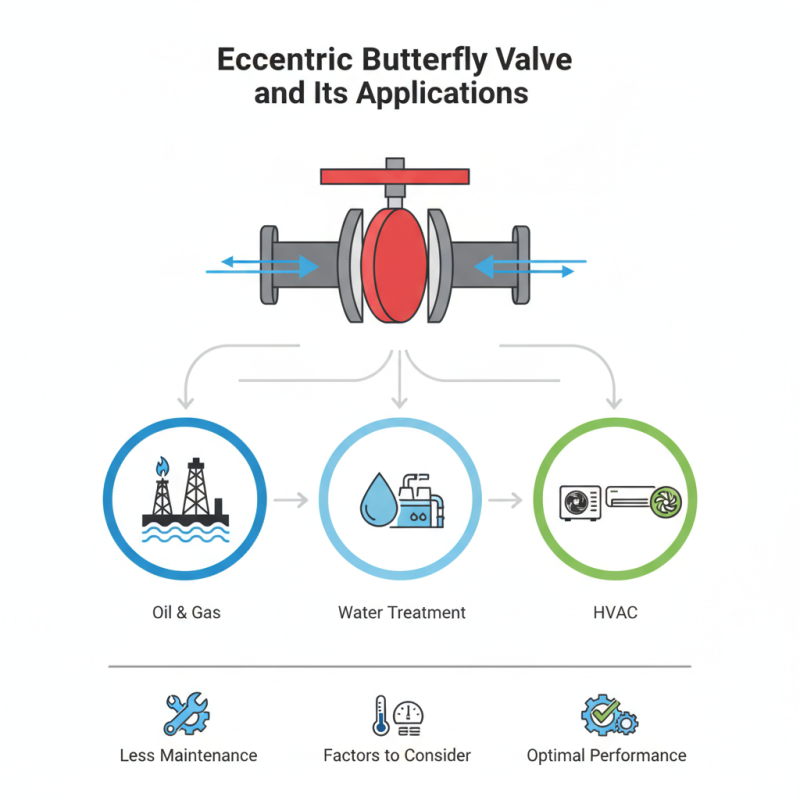
The Eccentric Butterfly Valve plays a crucial role in various industrial applications. Its design allows for better flow control, making it suitable for diverse environments. This valve features an offset disc, which enhances performance compared to traditional butterfly valves.

In industries like oil and gas, water treatment, and HVAC, the Eccentric Butterfly Valve excels. Its unique structure reduces turbulence and improves sealing capabilities. Users benefit from its smooth operation and durability. Additionally, it requires less maintenance, a significant advantage for long-term projects.

However, choosing the right valve requires careful consideration. Factors like pressure, temperature, and fluid type must be evaluated. Misjudgments can lead to inefficiency or costly repairs. Ultimately, understanding the Eccentric Butterfly Valve's features ensures optimal performance in various applications.
What is an Eccentric Butterfly Valve and Its Applications?

What Defines an Eccentric Butterfly Valve: A Technical Overview

Eccentric butterfly valves differ significantly from their conventional counterparts. Their unique design features an off-center shaft, allowing for a smoother operation and improved control over flow rates. This configuration minimizes friction and reduces wear on seals, leading to longer-lasting performance. The way these valves operate makes them especially suitable for throttling applications. This is crucial in industries where precise flow control is essential.

The applications of eccentric butterfly valves span various sectors. They are frequently used in water treatment plants, chemical processing, and HVAC systems. In these settings, reliability is paramount. Their design allows for easier maintenance and quick repair, which is invaluable in managing operational efficiency. The ability to handle high flow rates while minimizing turbulence is another advantage. However, the intricate design can lead to challenges in installation and may require skilled personnel for effective integration.

Despite their benefits, there are considerations to keep in mind. The initial costs can be higher than standard valves, which may deter some users. Additionally, understanding the specific needs of a system is vital. Improper selection can lead to performance issues. Balancing these factors requires careful analysis and expertise to reap the full advantages of eccentric butterfly valves.

Key Components and Design Features of Eccentric Butterfly Valves

Eccentric butterfly valves are unique in design and functionality. They feature a disc that can rotate off-center, creating effective flow control. This design reduces torque requirements, making them easier to operate. Additionally, eccentric valves can handle higher pressures compared to traditional butterfly valves.


Key components include the disc, shaft, and sealing elements. The disc's eccentric position allows it to open and close smoothly, minimizing turbulence. Seals are typically made from durable materials, ensuring longevity. However, improper sealing can lead to leaks. Regular maintenance is essential to ensure optimal performance. The valve's body is often constructed from robust materials, enhancing strength and corrosion resistance.


In various industries, these valves are widely used in applications like water treatment and HVAC systems. Their versatility allows them to manage different flow rates effectively. Yet, this adaptability can be a double-edged sword. Different configurations can lead to confusion during installation or repair. Understanding each component's role is critical for reliable operation.

Industry Applications of Eccentric Butterfly Valves: Case Studies and Data

Eccentric butterfly valves play a critical role in various industries. They are designed for high precision and efficient operation. These valves help control the flow of liquids and gases in systems. Their unique design reduces turbulence, making them suitable for sensitive applications. In water treatment plants, they ensure optimal flow control, preventing sediment build-up.

In the oil and gas sector, these valves demonstrate their reliability under high-pressure conditions. A case study showed their effectiveness in offshore platforms. They can withstand harsh environments, which ensures operational safety. Moreover, their lightweight design simplifies installation and maintenance. However, engineers must consider potential wear over time. Regular inspections are crucial to maintaining their performance.

The food processing industry also benefits from eccentric butterfly valves. Here, hygiene is paramount. These valves are easy to clean and maintain. Yet, improper installation may lead to leaks. Careful quality checks are essential to mitigate such risks. Each application provides valuable data that informs best practices. Industry experts continually analyze results to improve valve performance. This ongoing research underlines the importance of adapting to specific needs.

Comparative Performance Analysis: Eccentric vs. Conventional Butterfly Valves

Eccentric butterfly valves offer distinct advantages over conventional designs. Their unique geometry allows for better flow control with less resistance. This translates to increased energy efficiency, particularly in large-scale applications like water distribution systems and chemical processing.

Industry reports show that eccentric butterfly valves can reduce pressure drops by approximately 25% compared to standard valves. This improvement can lead to significant operational cost savings. Many facilities see reductions in energy consumption, contributing to lower overall utility bills. However, choosing the right valve requires careful consideration. Installation and maintenance can become complex due to their design.

In sectors such as oil and gas, performance consistency is critical. Eccentric designs have been noted to handle slurries and viscous fluids more effectively. Nonetheless, some reports indicate a potential for increased wear under certain conditions. Operators need to monitor performance closely, adjusting maintenance strategies accordingly. This highlights the importance of a tailored approach in selecting valve types based on specific application requirements.

Market Trends and Future Outlook for Eccentric Butterfly Valves in Industries

Eccentric butterfly valves are gaining prominence in various industries due to their unique design and efficient operation. These valves differ from conventional butterfly valves because the disc is offset from the centerline, allowing for a tighter seal and reduced turbulence. As energy efficiency becomes a priority, these valves are well-suited for handling varying flow rates and are less prone to erosion over time.

The market for eccentric butterfly valves is evolving. Increased demand for automation in industrial processes is driving innovation. Industries like water treatment and oil and gas are seeing significant adoption. However, there are challenges, such as the complexity of installation and the need for specific maintenance practices. Companies must invest in training and knowledge to optimize their use.

Future outlook indicates steady growth. Technological advancements will likely enhance performance and reliability. However, businesses should remain aware of the need for better integration with existing systems. The balance between cost and efficiency will influence adoption rates. As companies navigate these challenges, the full potential of eccentric butterfly valves may not be realized without careful planning and execution.

What is an Eccentric Butterfly Valve and Its Applications?

Industry Application Market Trends Future Outlook
Oil & Gas Flow control in pipelines and storage Increasing exploration activities driving demand Expected growth of 6% CAGR by 2030
Water Treatment Flow regulation in treatment plants Rising need for efficient water management Increasing investments in infrastructure projects
Chemical Processing Control of hazardous materials Growth in the chemical sector drives valve adoption Shift towards automation and smart technology
HVAC Regulating air and steam flow Increased demand for energy-efficient systems Market to grow with focus on sustainability
Food & Beverage Control of fluid processes High standards for hygiene and efficiency Projected growth with increased consumer demand

We are using cookies on our website

Please confirm, if you accept our tracking cookies. You can also decline the tracking, so you can continue to visit our website without any data sent to third party services.