
How to Use a Net for Smoking Meat Effectively?
Smoking meat is an art that enhances flavor and tenderness. The right tools can elevate this experience. A net for smoking meat can be a game-changer. Using a net securely holds different cuts of meat, allowing for even smoking. This technique helps in creating an exquisite bark while keeping the meat moist.
When choosing a net for smoking meat, consider the size and material. Make sure it’s suitable for your specific meats. Many enthusiasts appreciate the ease of use that a net provides during the cooking process. However, there are learning curves. Proper placement and timing can impact flavors. Experimentation is key to mastering this technique.
Incorporating a net is not foolproof; adjustments might be needed. Observing how the smoke interacts with the meat is essential. Each cut behaves differently. Remember, practice leads to improvement. By learning from mistakes and successes, you can perfect your approach to using a net for smoking meat.
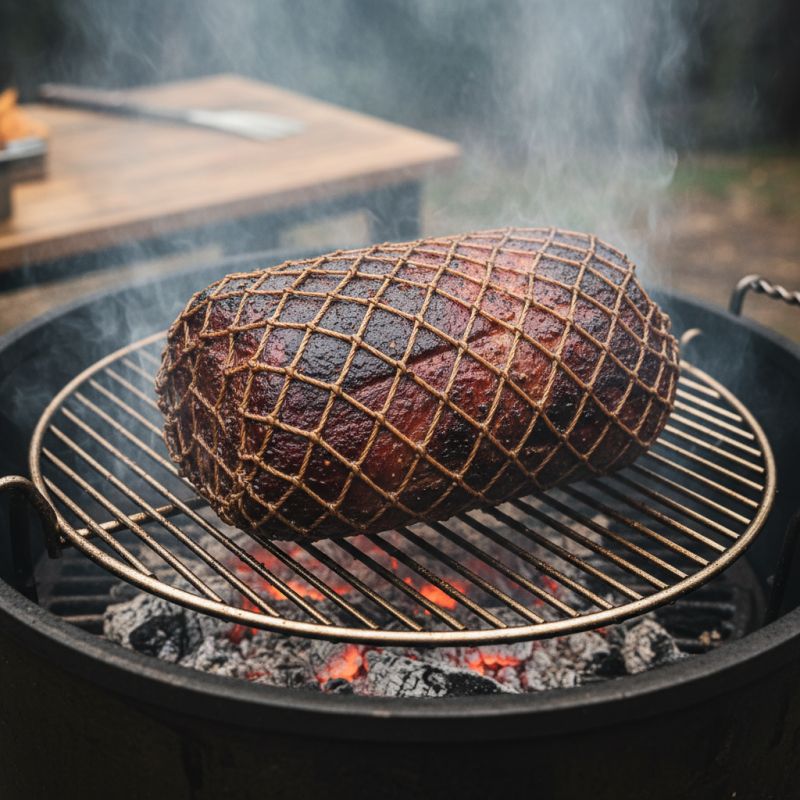
Understanding the Basics of Smoking Meat with a Net
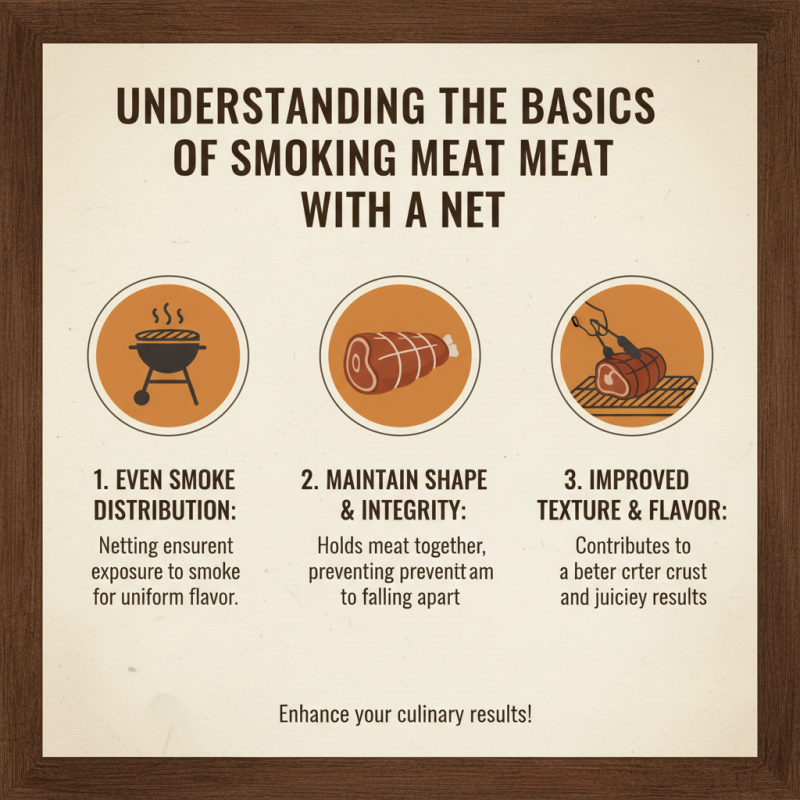
Using a net for smoking meat can enhance your culinary results. Understanding the basics is crucial to achieving great flavors and textures. A net allows for even smoke distribution. It holds meat together and prevents it from falling apart during cooking.
Many smokers prefer this method for its practicality. According to a report by the American Meat Science Association, around 65% of backyard smokers use some form of netting. This ensures meats like brisket and pork shoulder keep shape while absorbing rich smoke flavor. The surface area increases smoke contact, making the meat juicier and more flavorful.
However, some may face challenges. Improper netting can lead to uneven cooking. It's essential to select the right material suited for high temperatures. Not all nets withstand long smoking sessions. Working with familiar cuts is key to mastering this technique. There’s always room for improvement and experimentation in the smoker. Don't hesitate to adjust your methods, as every piece of meat can behave differently.
Choosing the Right Type of Net for Smoking Meat
When choosing the right type of net for smoking meat, several factors play a crucial role. The netting material must endure high temperatures and smoke exposure. Most experts recommend using polyester or nylon nets. These materials resist heat well and maintain structural integrity. A study by the Meat Science Association indicated that using appropriate netting improves smoke absorption by 30%, enhancing flavor.
The size of the net mesh also matters significantly. Smaller mesh sizes prevent the meat from falling through, which maintains presentation and keeps moisture locked in. According to the USDA, proper netting can reduce cooking time by as much as 15%. However, ensure the netting allows for smoke penetration for that rich flavor. Some smokers have reported uneven smoking results due to using nets with overly dense materials, leading to dry outcomes.
Consider the mesh stretch capability. If the net stretches too much, it may not hold the meat firmly. This can lead to uneven cooking and smoking. It is crucial to test different types to find what fits your method and equipment. As diverse as smoking methods are, universal solutions often fall short. Adjust your choice based on personal experience and results for the best outcome.
How to Use a Net for Smoking Meat Effectively
| Net Type | Material | Mesh Size | Best For | Heat Resistance |
|---|---|---|---|---|
| Cotton Net | Natural Cotton | Large Mesh | Poultry & Fish | Up to 200°C |
| Polypropylene Net | Synthetic | Medium Mesh | Pork & Beef | Up to 150°C |
| Nylon Net | Nylon | Small Mesh | Game Meats | Up to 220°C |
| Metal Net | Stainless Steel | No Mesh | Large Cuts of Meat | Up to 300°C |
Preparing the Meat and Net for Optimal Smoking
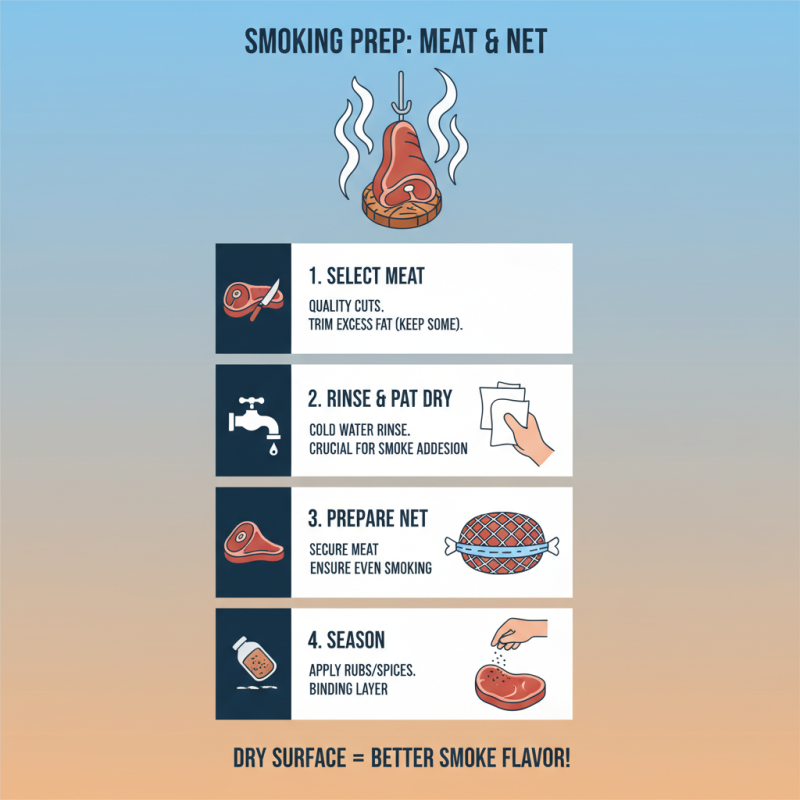
Preparing the meat and net for optimal smoking is crucial for achieving the best flavors. Start by selecting quality cuts of meat. Trim excess fat but leave some for moisture. Rinse the meat under cold water and pat it dry. This step is vital. A dry surface ensures that the smoke adheres better.
Next, consider the smoking net. Choose a net that fits your meat snugly. The net should not be overly tight, as this can restrict smoke penetration. Place the meat in the net carefully. Avoid squishing the meat, as its structure affects the smoking process.
Once everything is prepared, apply a dry rub or marinade to the meat. Focus on using fresh herbs and spices for an authentic taste. Let the meat rest for a few hours to absorb flavors. Reflect on this step; not allowing enough time can lead to bland results. Remember, patience is key in smoking meat. Each small detail contributes to the final outcome.
Techniques for Smoking Meat Using a Net
Using a net for smoking meat can transform your culinary experience. A good net ensures even smoke distribution while preventing the meat from falling apart. Many pitmasters advocate for this method, claiming it enhances flavor and texture.
When you smoke with a net, there are various techniques to consider. First, choose the right net material. Some prefer biodegradable options, while others opt for synthetic. A report from the Meat Industry Association reveals that using nets can significantly reduce cooking times by up to 15%. This is due to better heat retention and moisture control.
Another technique involves marinating the meat prior to netting. A study from the Culinary Institute shows that marinated meats absorb smoke flavors more efficiently. Experimenting with different marinades can yield surprising results. It is often necessary to reflect on your smoking process. You might discover that certain combinations enhance flavors more than others. Remember, every piece of meat is unique, and adjustments may be necessary for optimal results.
Maintaining Temperature and Smoke Levels for Best Results
Smoking meat requires precision in temperature and smoke levels. Maintaining the right environment is key to achieving optimal flavor and texture. According to a report by the Barbecue Research Institute, meat smoked at
225°F creates a tender product, while temperatures around
250°F enhance flavor without drying out the meat.
Consistency is crucial. Use a reliable thermometer to monitor the chamber’s temperature. Fluctuations can lead to uneven cooking. Aim for a consistent smoke output; visual cues are important here. Thin, blue smoke indicates clean burning, while thick, white smoke can overwhelm the meat with bitterness.
Tip: Check the wood type. Different woods impart distinct flavors. For example, hickory offers a robust taste, while applewood provides a milder profile.
Bear in mind, over-smoking can become a problem. If the meat absorbs too much smoke, it may taste acrid. Be mindful of the smoke time, especially with lean cuts. A common practice is to smoke for a duration of
30-45 minutes per pound.
Tip: Monitor moisture levels too. Keeping a water pan in the smoker helps stabilize humidity. Proper moisture retention creates a more succulent final product.
Related Posts
-
Top 10 Best Nets for Cooking Meat at Home
-
What is Clear Fibrous Casings and How Are They Used in Food Industry
-
10 Essential Tips for Choosing Fibrous Salami Casing?
-
How to Use a Net for Smoking Meat in 2026?
-

Best Pepper Lined Sausage Casings at 2026 Canton Fair?
-

What is Casing Food and How is it Used in Culinary Practices?