10 Essential Tips for Using Mahogany Fibrous Casings Effectively

In the world of food processing, mahogany fibrous casings play a crucial role in producing high-quality sausages. According to a report from the International Institute of Food Science, these casings enhance both flavor and texture, leading to a 20% increase in consumer satisfaction. As noted by industry expert Dr. Emily Hartman, “Using quality casings is essential for achieving the desired product consistency.”

Despite their benefits, many processors struggle with proper handling techniques. Mahogany fibrous casings can be forgiving, but mistakes such as improper moisture control can lead to suboptimal results. Ensuring the right conditions during the production phase is vital. Furthermore, the learning curve can be steep, as new users may overlook important details. Each batch presents unique challenges, making it essential to reflect on past experiences.

Proper utilization of mahogany fibrous casings involves attention to detail. Inconsistent practices can compromise the final product. By focusing on techniques and understanding each variable’s impact, processors can significantly enhance their outcomes. Paying attention to these nuances makes all the difference.
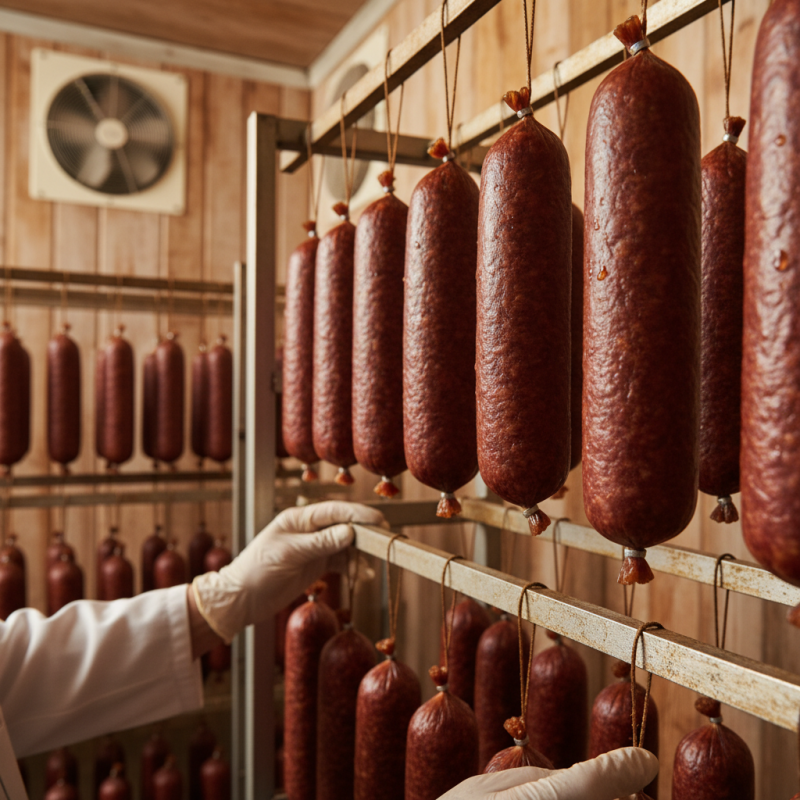
10 Essential Tips for Using Mahogany Fibrous Casings Effectively

Understanding Mahogany Fibrous Casings: An Overview
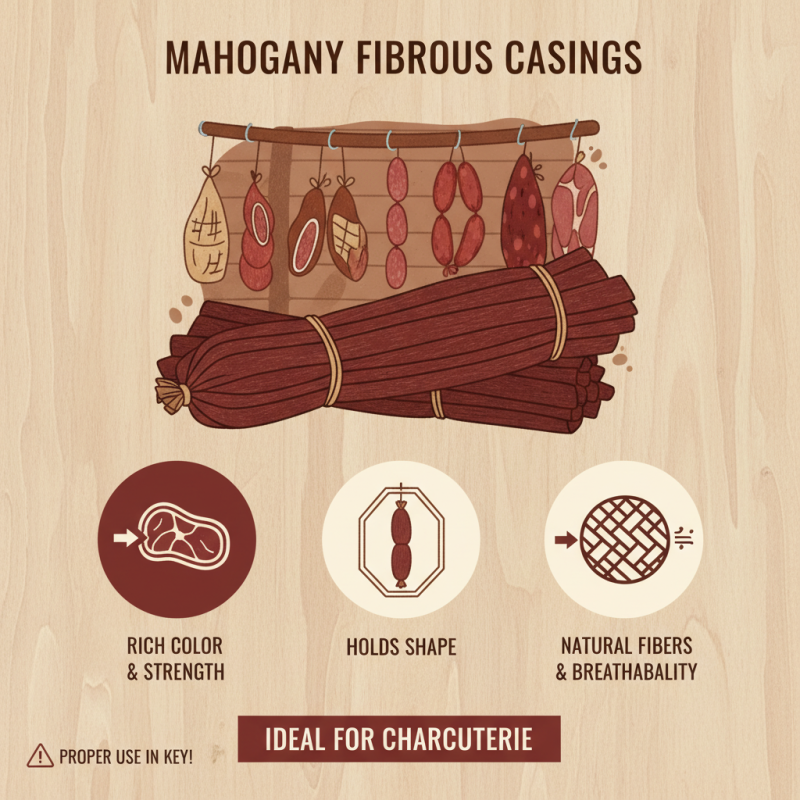
10 Essential Tips for Using Mahogany Fibrous Casings Effectively

Mahogany fibrous casings are popular in the world of charcuterie. Their rich color and strong structure make them stand out. These casings are primarily made from natural fibers. This offers great breathability for meats. They hold shape during the curing process. However, using them correctly can be tricky.

One essential tip is to soak the casings before use. This helps them become pliable. If not soaked enough, they can tear. That can ruin your project. The ideal soaking time is usually around 30 to 60 minutes. Another tip is to check for any defects. Tiny holes or weak spots can lead to leakage. It’s better to find these issues early.

Temperature control is crucial. Keep your meats at a consistent cool level. Fluctuations can lead to spoilage. Also, be mindful of how tightly you stuff the casings. Overfilling can cause bursting during the curing phase. Remember to prick any air bubbles that form too. Consistency in technique improves the outcome. These small details add up for better results.
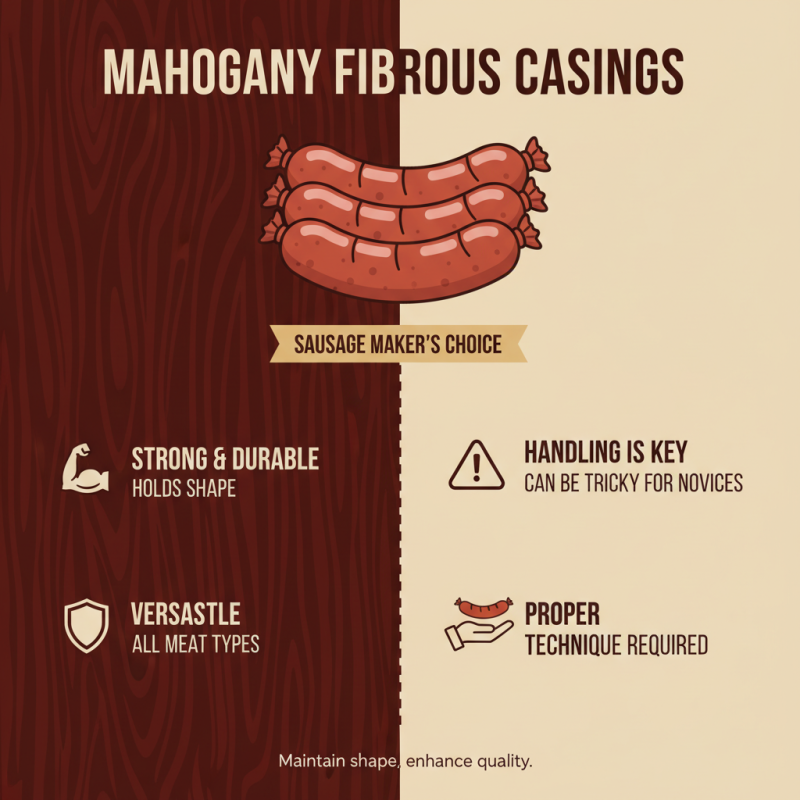
Key Characteristics of Mahogany Fibrous Casings for Sausage Making

10 Essential Tips for Using Mahogany Fibrous Casings Effectively

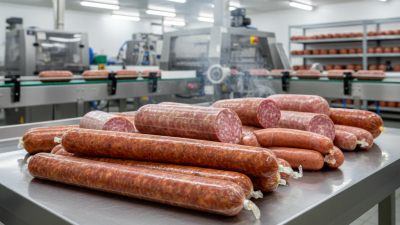
Mahogany fibrous casings are a popular choice for sausage makers. Their unique characteristics set them apart from other casings. They are strong and durable, ideal for holding all types of meats. This strength ensures that sausages maintain their shape during cooking. However, these casings require proper handling. They can be tricky if you are inexperienced.

The texture of mahogany fibrous casings is another essential feature. They allow for easy smoking, adding a rich flavor to the sausages. When using these casings, it is vital to ensure they are soaked properly. Soaking in water helps them expand and prevents bursting. Many beginners overlook this step, leading to unfortunate results.

Moreover, the color enhances visual appeal. The deep mahogany hue attracts attention on any plate. But, this beautiful appearance can mask imperfections inside. It's crucial to check for air pockets. If not addressed, these pockets can affect taste and texture. In essence, experimenting with mahogany fibrous casings can be rewarding yet challenging. Each batch is a learning experience, highlighting the importance of practice.

Best Practices for Preparing Mahogany Fibrous Casings Before Use

Preparing mahogany fibrous casings requires careful attention. Start by soaking them in water for about 30 minutes. This helps to soften the casings, making them easier to work with. Ensure that the water temperature is lukewarm. A common mistake is using cold water, which can lead to uneven softening. Be mindful of the soaking time; too long can cause casings to become too mushy.

After soaking, rinse the casings thoroughly. This step removes any residual salt or preservatives. Check for any tears or weak spots. If you find any, it might be necessary to trim those sections. Pay attention to the casing's elasticity as you work with it. Sometimes, they can feel stiff even after soaking. If that’s the case, an additional soak can help.

Furthermore, take a moment to reflect on your process. Are you handling them gently enough? Overstretching or applying too much pressure can lead to breaks. Visualizing the final product can guide your preparation. Each step impacts the overall result, including how the casings hold the filling. Engaging in this process thoughtfully leads to better outcomes.

10 Essential Tips for Using Mahogany Fibrous Casings Effectively

Tip Number Best Practice Description
1 Pre-Soak Soak casings in water for 30-60 minutes before use for optimal flexibility.
2 Use Cold Water Always use cold water to preserve the integrity and texture of the casings.
3 Dairy or Protein Coating Apply a light protein-based coating to enhance adhesion and prevent breakage.
4 Check for Damage Inspect for tears or holes before use to prevent leakage during cooking.
5 Optimal Stuffing Ensure even and consistent stuffing to avoid bursting during cooking.
6 Maintain Moisture Monitor internal moisture levels while cooking to prevent dryness.
7 Temperature Control Cook at a steady low temperature to achieve an evenly cooked product.
8 Allow to Rest Let the casings cool before slicing to maintain shape and moisture.
9 Store Properly Keep unused casings in a cool, dry place to avoid spoilage.
10 Use Quality Ingredients Select high-quality meats and spices for the best flavor and texture.

Techniques for Stuffing and Cooking with Mahogany Fibrous Casings

Mahogany fibrous casings are an excellent choice for sausages. When stuffing, ensure the casing is moist. This makes it easier to handle. Use a filling funnel for a more controlled process. Don't overstuff the casings. This can lead to ruptures during cooking. It's better to leave a bit of space to allow for expansion.

When cooking with these casings, aim for even heat. Use a smoker or grill for the best flavor. Monitor the temperature carefully. Too high of a heat can char the casing. On the other hand, low temperatures might leave the sausage undercooked. Sometimes, you may find uneven cooking if you’re not attentive. This can lead to unexpected flavors.

Don’t rush the process. Quality takes time. Allow the stuffed sausages to rest before cooking. This lets the flavors meld better. It can be tempting to skip this step, but you might regret it later. Also, experimenting with seasoning can yield great results. Remember that not every attempt will be perfect. Keep adjusting your technique until you find what works best for you.

Mahogany Fibrous Casings Usage Insights

Maintaining and Storing Mahogany Fibrous Casings for Long-lasting Use

Proper storage of mahogany fibrous casings is crucial. Keep them in a cool, dry place. Avoid humidity. This prolongs their lifespan. Inspect the casings regularly. Look for any signs of mold or damage. If you spot issues, address them immediately.


When using the casings, soak them as recommended. This helps to maintain their texture. Not soaking enough can lead to tough results. Use warm water for best outcomes. Over-soaking can also be problematic. It might make them too fragile. Always find that balance.


Maintaining these casings is essential. Wash them gently after use. Avoid harsh chemicals. Air-dry completely before storing. A simple mistake can ruin them. Remember, each casing has its unique characteristics. Understanding these nuances will enhance your experience.

We are using cookies on our website

Please confirm, if you accept our tracking cookies. You can also decline the tracking, so you can continue to visit our website without any data sent to third party services.