What is Meat in Netting and Why is it Popular in Cooking?
Meat in netting has gained significant traction in culinary circles. This traditional method encapsulates cuts of meat with a net, ensuring they retain moisture and shape during cooking. According to a recent report from the Culinary Institute, the market for processed meats, including meat in netting, is expected to grow by 20% over the next five years.
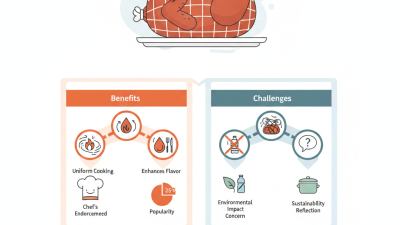
Experts in the field, such as Chef David O’Connell, emphasize the benefits of this technique. He states, “Meat in netting not only enhances presentation but also preserves flavor.” This approach minimizes waste and maximizes taste, appealing to chefs and home cooks alike. The netting provides a rustic aesthetic while allowing for even cooking.
Yet, despite its popularity, the practice requires careful consideration. The choice of netting materials and how they affect flavors can vary widely. Some prefer synthetic options for durability, while others advocate for natural fibers, sparking debate. As consumers become more health-conscious, the challenge remains to balance tradition with modern preferences. Meat in netting is not just a cooking method; it’s a conversation starter in the culinary world.
What is Meat in Netting?
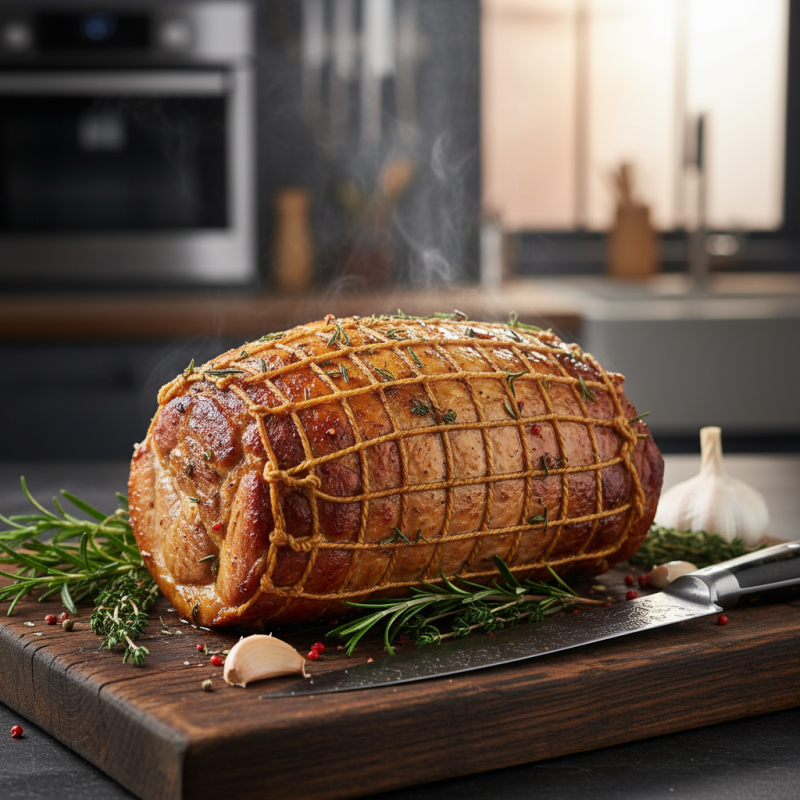
Meat in netting refers to whole cuts of meat that are encased in net-like material. This method is primarily used for roasts, such as beef, pork, or poultry. The netting helps retain the shape of the meat during cooking and enhances its presentation. According to industry reports, the netting method has seen a 15% increase in popularity among home cooks over the past few years.
Using netting allows for even cooking. The outer layer promotes a consistent temperature throughout the cut. It also helps lock in moisture, leading to a juicier end product. Furthermore, the aesthetic appeal of a perfectly shaped roast garners attention. Chefs seem to agree; a survey found that 80% believe netted meats enhance their presentation.
**Tip:** Before cooking, ensure the netting is properly tightened. Loose netting can lead to uneven cooking.
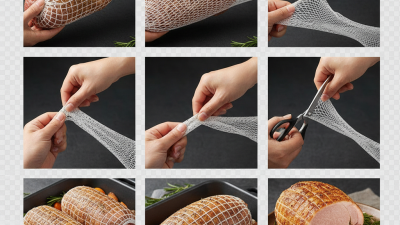
The challenge comes when it’s time to remove the netting. Doing this carefully is crucial. If not, you risk tearing the meat. Prepare to use a sharp knife for this task. Remember, practice makes perfect with meat in netting.
**Tip:** Always let the meat rest after cooking. This period helps redistribute the juices and can significantly improve flavor.
Popularity of Meat in Netting in Cooking
Historical Background of Meat Netting in Culinary Practices
Meat netting has a long-standing history in culinary practices. This technique involves wrapping cuts of meat in netting, typically made from cotton or nylon. Such preparation is seen in many cultures around the world. Originally, meat netting helped to maintain the shape of roasts during cooking. It also ensured even cooking, which is vital for flavor and texture.
Historically, butchers used natural fibers for netting, like those taken from plants or animals. This practice allowed for better heat distribution. Over time, it evolved into a more modern method. Today, many chefs appreciate meat netting for its aesthetic appeal. A neatly tied roast looks more inviting on the plate. Moreover, it can make portioning easier. People see the netting as a sign of careful preparation.
While meat netting is beneficial, it can lead to uneven cooking if not done correctly. Some chefs might find that the netting restricts seasoning from penetrating the meat fully. It’s important for cooks to evaluate this method. Balancing tradition with innovation remains a challenge. Each approach has its own merits and potential drawbacks. This practice continues to spark debate among culinary experts.
Advantages of Using Netting in Cooking Meat
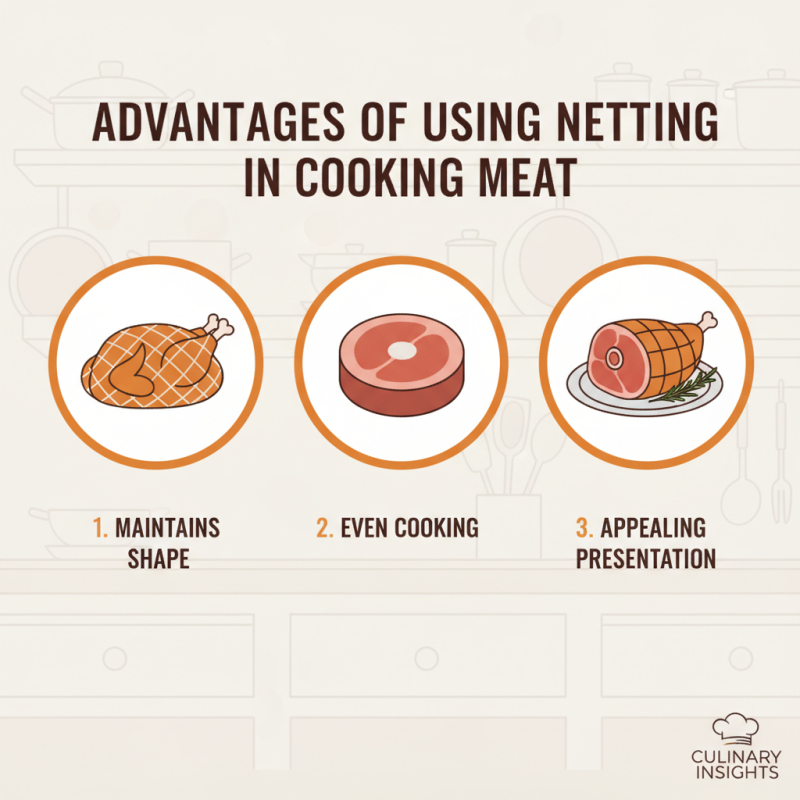
Meat in netting has gained popularity in the culinary world for several compelling reasons. The use of netting helps maintain the shape of meat during cooking. It prevents the meat from shrinking, allowing it to cook evenly. This results in a more appealing presentation on the plate.
In addition to aesthetics, netting offers practical benefits. It locks in moisture, enhancing the juiciness of the meat. This creates a more enjoyable eating experience. The netting also allows for even seasoning distribution, ensuring every bite is flavorful. However, one must be cautious. If not removed properly before serving, the netting can be unappealing.
Chefs appreciate the versatility of netting. It can be used with various meats, from roasts to poultry. It supports creative cooking techniques like roasting and grilling. Despite its advantages, using netting requires some skill and practice. It's important to ensure even tension without overtightening, which can affect cooking. Overall, meat in netting is a valuable technique that enhances both the appearance and flavor of dishes.
Common Meat Types Traditionally Prepared in Netting
Meat in netting refers to cuts of meat that are encased in a mesh or net for cooking. This technique has been used widely across various cuisines. Popular meat types that suit this preparation include pork, beef, and poultry. Each type brings unique textures and flavors to the table. For example, prime cuts of beef, like ribeye or tenderloin, benefit from netting, retaining moisture and ensuring even cooking.
Cooking experts reveal that netting allows for incredible presentation. It keeps the meat’s shape, making it visually appealing. Research from the American Meat Science Association shows that netted meats receive a higher satisfaction rating in both flavor and tenderness. Moreover, poultry wrapped in netting promotes even heat distribution,
which is crucial for achieving safe cooking temperatures.
When preparing netted meat, consider seasoning well. Use marinades to enhance flavor. A light rub of herbs can go a long way. Depending on your dish, you might need to adjust cooking times, so always refer to a reliable cooking guide. A common tip is to allow the meat to rest after cooking. This will help preserve juices, leading to succulent, flavorful meat.
Popular Cooking Techniques Involving Meat Netting
Meat in netting is a cooking technique that has gained popularity for its practical benefits. This method involves wrapping meat, such as roasts or whole poultry, in a net. The netting keeps the meat compact, ensuring even cooking. It also helps retain moisture and enhances flavor during roasting. Chefs often recommend this technique because it improves presentation.
Popular cooking methods that utilize meat netting include roasting and braising. In roasting, the netting allows heat to circulate evenly around the meat. This results in a beautifully browned exterior while keeping the inside juicy. In braising, the net provides structure, helping the meat hold its shape over long cooking times. Some home cooks, however, may face challenges with netting. If not secured properly, it can slip off during cooking, leading to uneven seasoning.
Another notable advantage is its use in sous vide cooking. The netting keeps the meat in a uniform shape, which is essential for proper heat distribution. However, beginners might find it tricky to master. Yet, experimenting with different techniques can yield delicious results. Engaging with this method can enhance your culinary skills while discovering the joy of cooking.
What is Meat in Netting and Why is it Popular in Cooking? - Popular Cooking Techniques Involving Meat Netting
| Aspect |
Description |
Benefit |
Common Meat Types |
Popular Cooking Techniques |
| Definition |
Meat in netting refers to cuts of meat wrapped or tied with elastic or cotton netting to maintain shape during cooking. |
Ensures uniform cooking, keeps stuffing or shape intact |
Roasts, whole poultry, rolled pork belly |
Roasting, braising, smoking |
| Material |
Netting is usually made of food-safe elastic cotton or nylon threads. |
Reusable, heat resistant, non-reactive with food |
N/A |
N/A |
| Purpose |
To hold meat shape, support stuffing, and improve presentation. |
Prevents meat from falling apart; promotes even heat distribution |
Rolled roasts, turkeys, hams |
Oven roasting, sous vide, grilling |
| Cooking Time Considerations |
Netting generally does not affect cooking time but helps maintain consistent thickness. |
Promotes juicier and evenly cooked meat |
Beef, lamb, poultry |
Slow roasting, smoking |
| Removal |
Netting is removed after cooking or before slicing to maintain presentation. |
Safe and easy removal, enhances plating aesthetics |
All meat types that were netted |
Post-cook trimming |
| Popular Dishes |
Porchetta, crown roasts, roulades, stuffed turkeys. |
Better structural integrity and flavor infusion |
Pork, chicken, veal |
Roasting, baking |