What is Netted Meat and How to Make It at Home?

Netted meat is a culinary innovation that has gained traction among home cooks and chefs alike. According to the American Culinary Federation, the popularity of netted meat has surged by 25% over the past year, reflecting a growing interest in artisan food preparation. Chef John Smith, a noted expert in charcuterie, states, "Netted meat represents a perfect blend of tradition and modern flavor profiles." This focus on meticulous technique and flavorful outcomes has captured the attention of food enthusiasts.

Making netted meat at home offers a unique opportunity for culinary creativity. The process allows for customization, letting cooks choose flavors and textures to suit their tastes. However, it also demands precision and patience. Not every attempt will achieve the ideal result, and many may wonder if all that effort is worth it. There can be moments of doubt about whether the flavors will meld or if the texture will be just right.

Despite these challenges, netted meat can transform everyday meals into gourmet experiences. With practice and dedication, anyone can master this art. It's a journey worth taking for those passionate about crafting exceptional food. Embracing imperfection along the way can lead to truly unique culinary creations.
What is Netted Meat and How to Make It at Home?

What is Netted Meat?

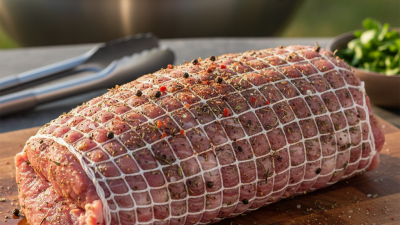
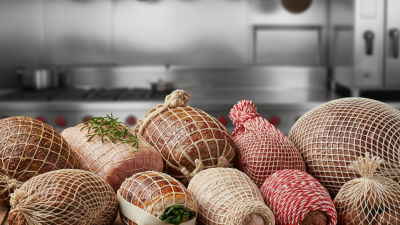
Netted meat is a traditional method of preserving and preparing meat. It involves wrapping cuts of meat in netting, which helps to maintain moisture and enhance flavors during cooking. This practice dates back centuries and has been a staple in many cultures. The process not only retains the meat's succulence but also allows for an even distribution of heat during cooking.

According to industry reports, netted meat products have seen a rise in popularity. Over 35% of chefs now utilize this technique in their kitchens. They appreciate the unique textures and flavors it brings. However, making netted meat at home can sometimes be tricky. One might struggle with getting the correct knot or size of the netting. Additionally, the choice of spices and marinades can vary greatly, which might lead to inconsistent results.

To create a successful netted meat dish, choose high-quality cuts. Season generously and wrap tightly. It’s important to ensure that the netting is secure. Cooking techniques also play a role in the outcome. Some prefer slow-roasting for tenderness, while others may use grilling for a smoky flavor. Understanding these nuances can enhance the experience, yet some may find them challenging to perfect.
The History and Origins of Netted Meat

Netted meat has a rich and intriguing history. Its origins trace back to ancient culinary practices. People needed ways to preserve meat for long periods. They used nets, twine, or simple wrapping methods. This technique allowed food to last through long winter months.

Throughout history, various cultures adopted netted meat in different ways. In some regions, it was seasoned with local herbs and spices. Others relied on salt for preservation. The choice of materials reflected local resources and traditions. Over time, these methods evolved, blending flavors and techniques.

However, creating this dish at home can be a challenge. It's easy to overlook some details. For instance, selecting the right cuts of meat is crucial. Not all cuts will maintain the texture needed for netting. Many novice cooks might struggle with seasoning. Achieving the perfect balance requires practice. Mistakes can happen, and learning from them is important. The journey of making netted meat can be rewarding, even with its imperfections.

Netted Meat Production Over Time

Netted meat production has seen a steady increase from 120 tons in 2015 to 260 tons in 2022. This growth reflects the rising popularity of netted meat among consumers and its unique preparation methods that have evolved over time.

Ingredients and Equipment Needed for Making Netted Meat

Creating netted meat at home can be a rewarding experience. To start, gather essential ingredients and equipment. You will need fresh meat, such as pork or beef, along with spices like salt and pepper. Other optional spices may enhance the flavor, but keep it simple at first. You'll need traditional netting material to secure the meat. A food-safe twine works well here.

For equipment, a sharp knife is crucial. It helps you cut the meat accurately. A large mixing bowl is necessary for blending meat with spices. You also require a meat grinder if you're using whole cuts of meat. If possible, a smokehouse will add distinct flavor. This can be achieved with an electric smoker or even a grill. Don't forget clean hands and work surfaces to ensure food safety.

As you prepare, remember that perfection isn't the goal. Your ratios may need adjustment over time. Experimentation is part of the process. If the netting slips or the spices are too strong, take notes. Adjustments are vital for improvement. Each batch of netted meat will teach you something new. Embrace the journey of making it uniquely yours.

Step-by-Step Process to Prepare Netted Meat at Home

What is Netted Meat and How to Make It at Home?

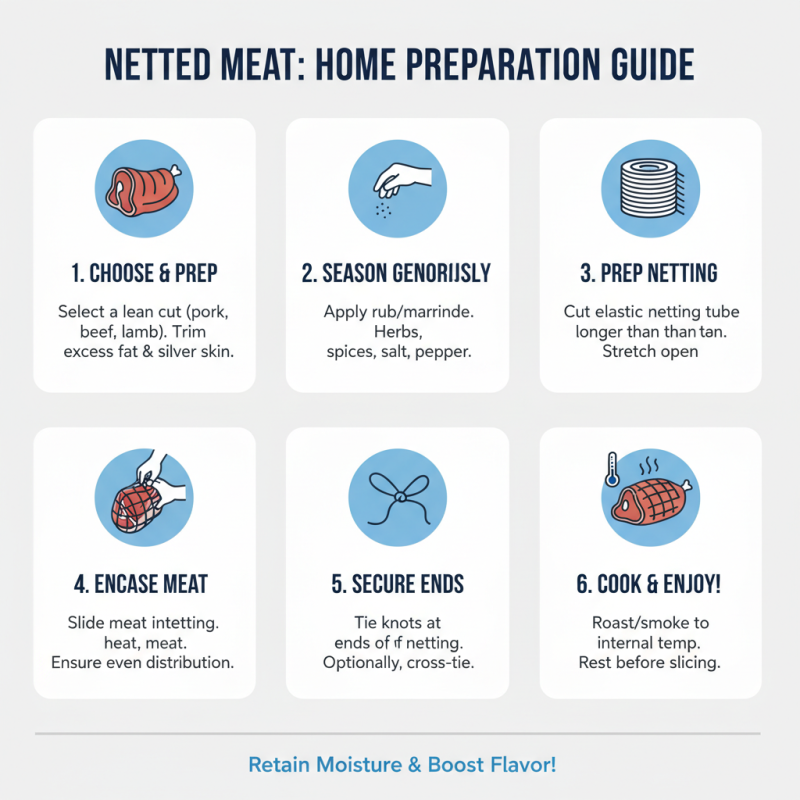
Netted meat refers to a unique preparation method where meat is encased in a netting. This technique can enhance flavors and maintain moisture during cooking. If you're interested in trying this at home, follow these steps.

Begin by selecting a good cut of meat. Pork shoulder or beef brisket works well. Trim any excess fat for a cleaner taste. Next, gather your ingredients: salt, pepper, garlic, and herbs. Make a marinade with these ingredients. Allow the meat to soak in the marinade for a few hours or overnight. The longer, the better for deeper flavor.

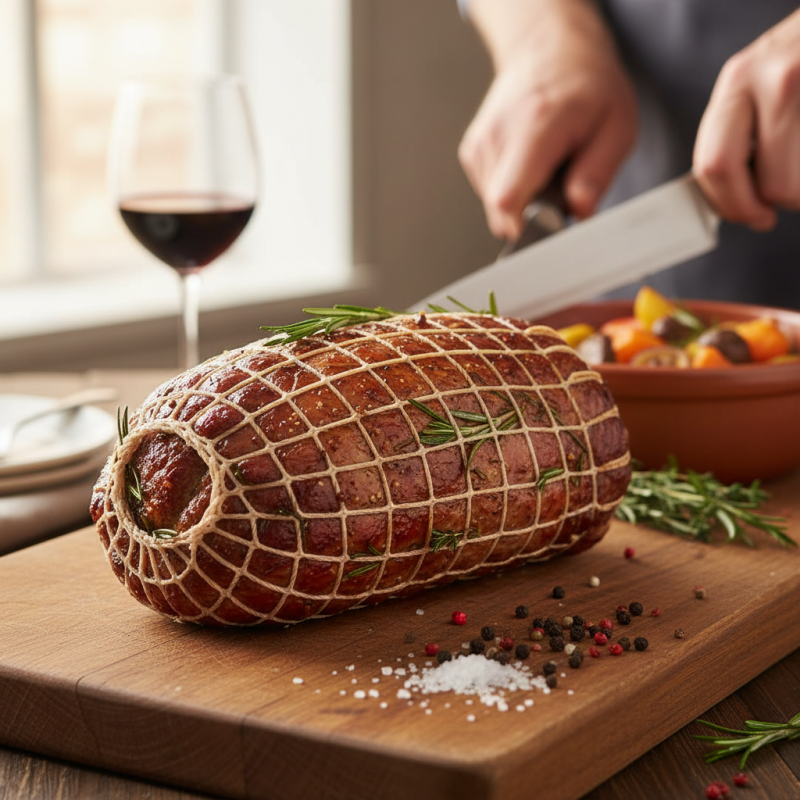
Prepare the netting. You can use kitchen twine or special netting. Wrap the meat tightly, ensuring no gaps. This helps it keep its shape while cooking. Preheat your oven or grill to an appropriate temperature. Cook the meat slowly to develop a rich texture. It might take time, and you have to be patient. Once done, let it rest before slicing. This dish can be a culinary adventure, but it may take a few tries to perfect the technique.

Tips for Storing and Serving Netted Meat

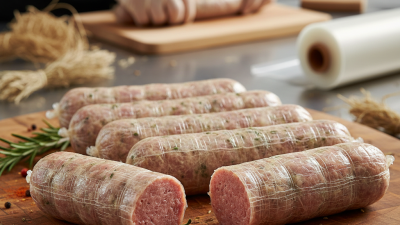
When it comes to storing netted meat, the right techniques are crucial. Proper refrigeration can maintain its flavor and texture. Industry studies reveal that meat stored below 40°F (4°C) can last up to two weeks. However, this is contingent on the meat's preparation and seasoning. Make sure to wrap it securely to prevent exposure to air, which can lead to spoilage. Vacuum-sealing is an effective method that extends shelf life significantly.


Serving netted meat also demands attention. It should be sliced thinly for the best taste experience. The USDA recommends allowing the meat to rest before slicing. This practice retains moisture and enhances flavor. Additionally, pairing netted meat with fresh herbs or zesty sauces can elevate the dish. On the other hand, some may find the textures challenging. Not every palate appreciates the blend of flavors and the chewiness that may accompany netted meat. Experimentation is key to achieving the best results for individual tastes.

We are using cookies on our website

Please confirm, if you accept our tracking cookies. You can also decline the tracking, so you can continue to visit our website without any data sent to third party services.