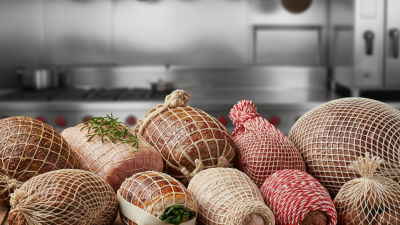
What is Plastic Sausage Casing and How is it Used?

Plastic sausage casing plays a significant role in the meat processing industry. It offers consistent quality and helps maintain the freshness of sausages. According to recent industry reports, the global plastic casing market is projected to reach around $1.5 billion by 2025. This growth is attributed to rising consumer demand for processed meat products.

In addition to preserving flavor, plastic sausage casing ensures uniformity in size and shape. The casing acts as a protective barrier against contaminants and moisture loss. Many manufacturers prefer it over traditional alternatives due to its lightweight and flexible nature. However, it's essential to assess the environmental impact of plastic usage in the food industry. Critics argue that reliance on plastic contributes to pollution and waste.

While plastic sausage casing provides practical benefits, the industry must strive for better sustainability solutions. Innovations are underway, focusing on biodegradable options. These alternatives aim to reduce plastic waste without compromising quality. Moving forward, balancing functionality and environmental responsibility remains a challenge for meat processors.
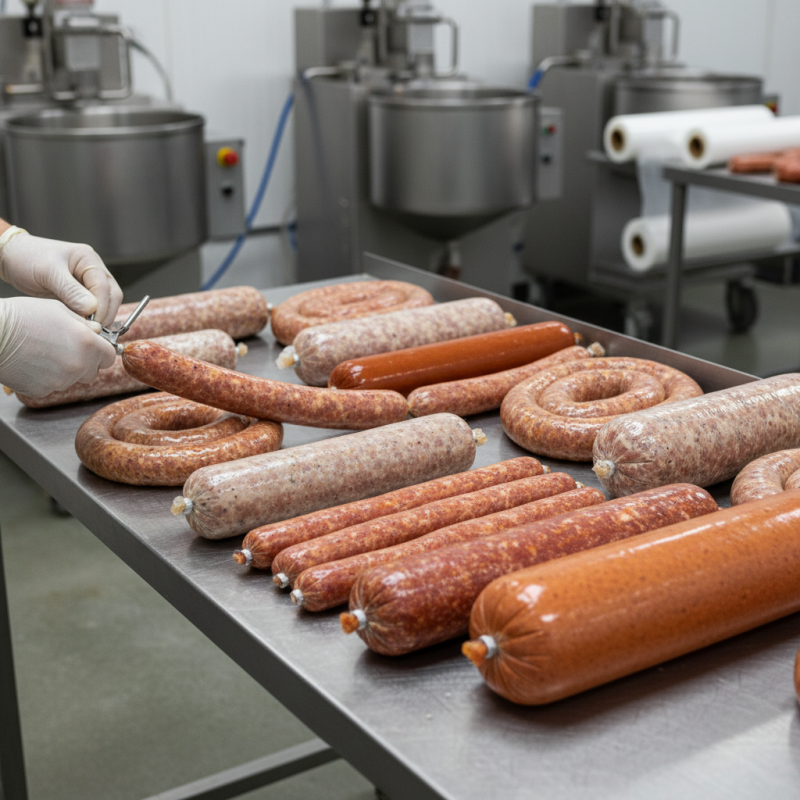
What is Plastic Sausage Casing and How is it Used?

What is Plastic Sausage Casing?

What is Plastic Sausage Casing and How is it Used?

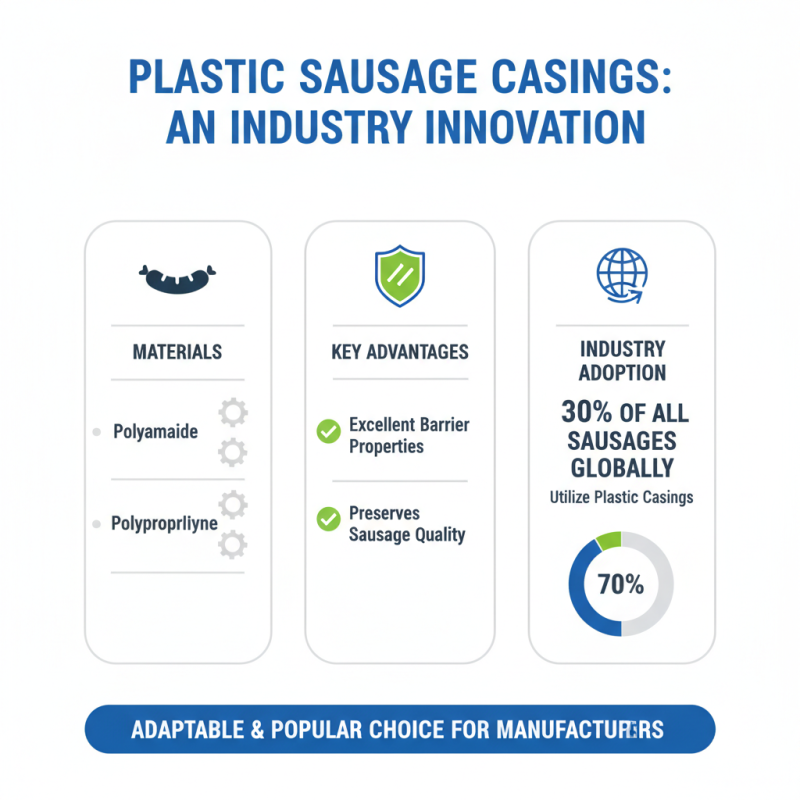
Plastic sausage casing is an innovative product in the meat processing industry. It is made from various types of plastics, primarily polyamide or polypropylene. These materials offer excellent barrier properties, which help to preserve the quality of the sausage. Reports indicate that around 30% of all sausages produced today utilize plastic casings. This adaptability makes them a popular choice among manufacturers.

One notable benefit is their uniformity. Plastic casings can be manufactured in consistent diameters and thicknesses. This results in sausages that have a more appealing presentation. However, not all innovations are without concerns. The plastic used must be food-grade and meet safety standards. The industry is under pressure to improve sustainability. Many companies are exploring biodegradable options, as traditional plastics can have significant environmental impacts.

The choice of casings also influences the texture and flavor profiles of the sausages. Consumers often expect a chewy bite associated with natural casings. Achieving this with plastic can be challenging. Some feel that these differences could affect consumer acceptance. While plastic casings offer practical solutions, the balance between convenience and tradition remains a point of discussion in the industry.
Types of Plastic Sausage Casings Available

Plastic sausage casings are popular in the food industry. They come in various types, each designed for specific uses. The most common types are polyamide and polyethylene casings. Polyamide casings are strong and durable. They can withstand high temperatures, making them ideal for cooked sausages. Their barrier properties help preserve flavor and moisture.

Polyethylene casings are more flexible and lightweight. They are often used for cold sausages. These casings allow for easy peeling after cooking. There are also specialty casings, like barrier types that protect against oxygen. This feature helps maintain freshness over time.

Choosing the right casing can be tricky. Not all casings suit every sausage type. Some may not keep the flavor intact. It’s essential to experiment to see what works best. Each option has unique benefits and drawbacks. Balancing factors like texture, taste, and appearance is critical. Careful consideration leads to better results.

Advantages of Using Plastic Sausage Casings

Plastic sausage casings offer various advantages over traditional options. They are lightweight and flexible, making them easy to handle. Unlike natural casings, plastic versions are not prone to breakage during processing. This can reduce waste and save time.

One major benefit is the consistent size they provide. Each casing can be uniform, ensuring that sausages cook evenly. This is crucial for restaurants where presentation and quality matter. Additionally, they are available in a range of colors and sizes. Customization can enhance the visual appeal of the product.

Tips: Always be sure to check the specifications of the casings. Some may not be suitable for smoking or high temperatures. Experiment with different types to find the best fit for your recipe.

Using plastic casings may require some adjustments in technique. The texture of the finished sausage can differ from natural casings. Some might prefer the snap of traditional options, while others appreciate the smoothness. It’s essential to consider the desired outcome when making a choice.

Advantages of Using Plastic Sausage Casings

How to Properly Use Plastic Sausage Casings

What is Plastic Sausage Casing and How is it Used?

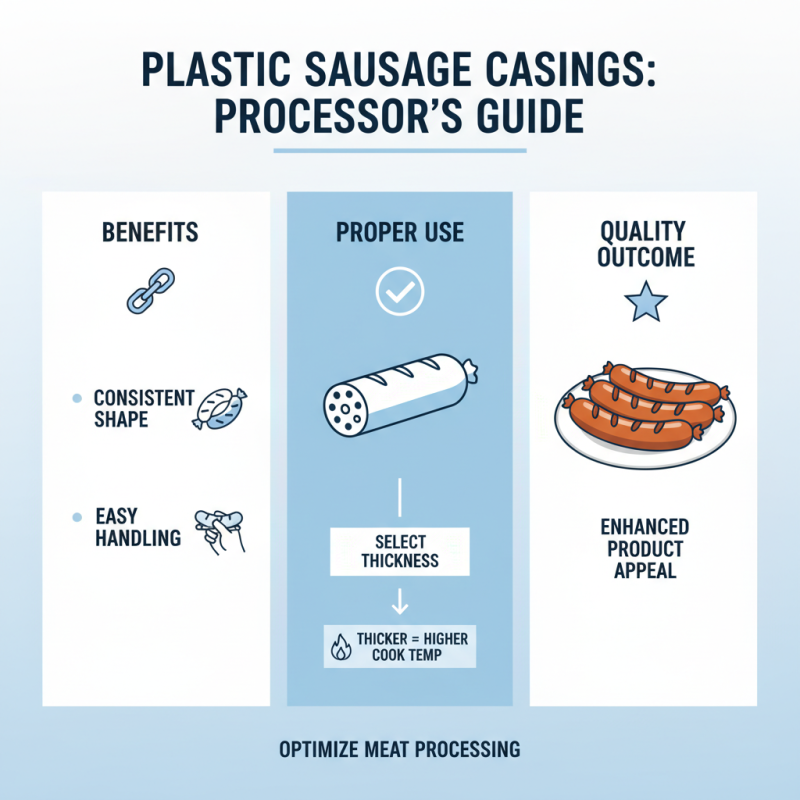
Plastic sausage casings are a versatile option for meat processors. They offer benefits like consistent shape and easy handling. Proper use is crucial for quality. Start by selecting the right casing thickness. Thicker casings can withstand higher cooking temperatures. This knowledge supports better product execution, ensuring the end result is appealing.

Before filling, hydrate the casings according to instructions. Many processors recommend soaking them in water for about 30 minutes. This enhances flexibility and prevents tearing during stuffing. It’s essential to check for any defects. A small flaw can affect a large batch.

When stuffing, maintain a steady pace. Overstuffing can lead to ruptures. Many experts suggest leaving about an inch of space at the end. After tying, it’s wise to inspect each sausage. This step helps catch issues early. Quality control is key in this industry. A report indicated that 15% of production issues relate to casing flaws. Keeping a watchful eye on casings can minimize waste and improve profitability.

Environmental Impact of Plastic Sausage Casings

Plastic sausage casings are widely used in the meat industry. However, their environmental impact raises concerns. These casings are often made from non-biodegradable materials. Once disposed of, they can persist in landfills for hundreds of years. A report from the Food Packaging Forum states that approximately 300 million tons of plastic waste are generated globally each year. Much of this waste is due to packaging materials, including sausage casings.

The production of plastic sausage casings also contributes to carbon emissions. The process consumes fossil fuels, increasing the industry's carbon footprint. According to a study by the World Bank, the meat industry accounts for 14.5% of greenhouse gas emissions worldwide. Finding sustainable alternatives is crucial for reducing these statistics. Waste management solutions, like recycling, are not widely implemented for plastic casings. This oversight complicates efforts to minimize their environmental footprint.

There is an opportunity for innovation here. Some companies explore biodegradable casings as alternatives. However, these options often face challenges related to cost and performance. The need for a balance between functionality and sustainability remains pressing. Industry stakeholders should reconsider their practices and invest in eco-friendly technologies.

We are using cookies on our website

Please confirm, if you accept our tracking cookies. You can also decline the tracking, so you can continue to visit our website without any data sent to third party services.