
What is Plastic Sausage Casing and How Is It Made?
The use of plastic sausage casing is a fascinating development in the meat processing industry. Experts like Dr. Emily Carter, a leading figure in food technology, describe it as a "game-changer for sausage production." This innovative casing allows for better preservation and uniform cooking of sausages.
Plastic sausage casing offers many advantages. It can be tailored to different sizes and flavors. The production process involves extruding plastic into thin sheets, which are then cut and formed into tubes. However, there are concerns about waste and environmental impact. Many companies are working hard to develop sustainable options.
Quality control is essential in this industry. Not all plastic casings are created equal. Consumers are becoming increasingly aware of the materials used in their food. This means that producers must stay ahead of trends while addressing sustainability. As technology evolves, so do the challenges and expectations surrounding plastic sausage casing.
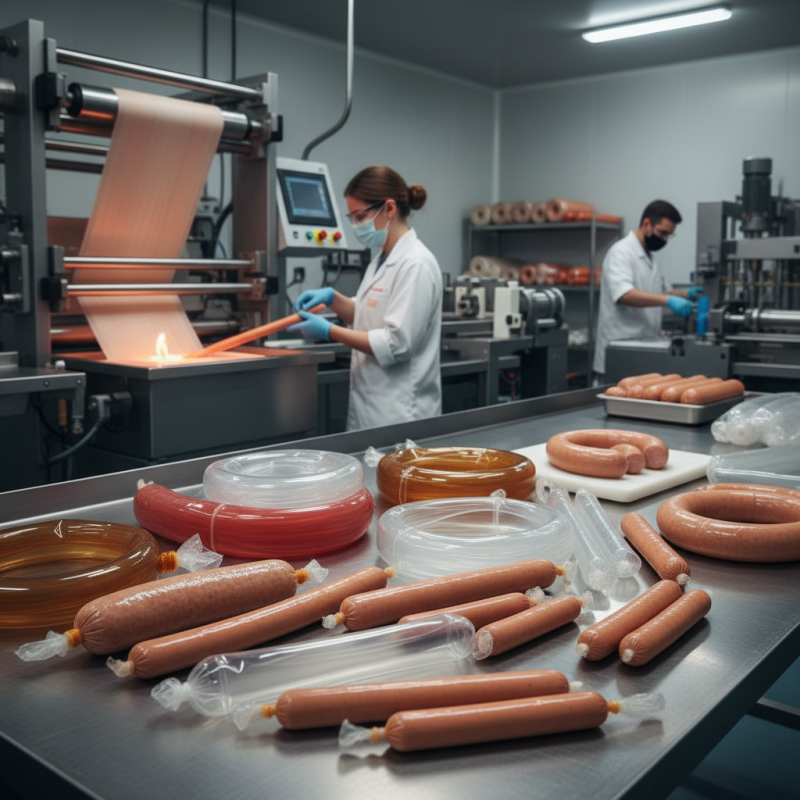
What is Plastic Sausage Casing?
Plastic sausage casing is a common choice for many types of sausages. This material is made from synthetic polymers, which offer durability and versatility. Unlike traditional casings, plastic casings do not require natural ingredients. They are often used in a variety of sausage products, enabling better control of moisture and air.
The manufacturing process involves extruding the polymer into thin sheets. These sheets are then cut and formed into tubes that can be filled with meat mixtures. The process provides a uniform thickness, which ensures even cooking and consistent texture in the final product. The flexibility of plastic allows for various sizes and shapes, catering to diverse culinary needs.
While using plastic casings has benefits, there are some concerns. Some may argue that synthetic materials do not provide the same flavor as natural casings. Others worry about the environmental impact of disposability. It's important to consider these aspects when choosing casing types. Exploring sustainable alternatives can lead to better practices in the meat industry.
Types of Plastic Materials Used in Sausage Casings
Plastic sausage casings are made from various types of plastic materials, primarily polyamide and polyethylene. These materials provide durability and a barrier against moisture. Reports suggest that polyamide accounts for around 60% of the market for plastic casings. It offers good strength, but can sometimes be costly.
Polyethylene is another popular option. It is less expensive and more flexible. This flexibility makes it suitable for products that require easier handling during processing. Statistics indicate that about 30% of production uses polyethylene. However, it does not offer the same barrier properties as polyamide. The choice of material depends on the specific needs of the sausage product.
Recent studies show that environmental impacts are a growing concern. Many processors are exploring biodegradable options. Though still a small segment, sustainable casings are projected to grow in popularity. This shift reflects consumer demand for eco-friendly alternatives. Suppliers must innovate while also addressing cost and functionality. It's essential to strike a balance between performance and sustainability in this evolving market.
What is Plastic Sausage Casing and How Is It Made?
| Type of Plastic Material | Properties | Common Uses | Production Method |
|---|---|---|---|
| Polyamide (Nylon) | High strength, excellent barrier properties | Fresh and cooked sausages | Extrusion and blowing |
| Polyvinyl Chloride (PVC) | Flexible, good sealing properties | Smoked sausages and salami | Casting or extruding |
| Cellulose | Biodegradable, high moisture barrier | Cooked sausages | Spinning process |
| Polypropylene (PP) | Durable, resistant to chemicals | Various types of sausages | Blown film extrusion |
| Ethylene Vinyl Acetate (EVA) | Flexible, UV resistant | Pre-cooked and hot dogs | Co-extrusion |
The Manufacturing Process of Plastic Sausage Casings
Plastic sausage casing is widely used in the meat processing industry. The manufacturing process is intricate and involves several steps. Typically, polyamide (nylon) and polyethylene are the main materials used. These plastics provide durability and flexibility.
The process begins with polymer resins being melted and extruded through a die. This forms a continuous tube of casing. Following extrusion, the tube is cooled and cut into various lengths. Advanced technologies can control thickness. These casings are available in a range of sizes for different sausage types. A recent industry report noted that the global market for plastic casings is expected to grow by 4.5% annually.
Tip: When selecting plastic casings, consider your sausage's moisture and fat content. Different casings perform better under various conditions.
Quality assurance is crucial throughout manufacturing. This ensures that the final product meets safety standards. Some manufacturers employ advanced testing methods to detect defects. It can be a challenge to maintain consistency in quality. Regular checks during production can help identify these issues.
Tip: Be aware of storage conditions. Improper storage can lead to degradation of casings over time.
Production of Plastic Sausage Casings by Year
This chart illustrates the production volume of plastic sausage casings over five years from 2018 to 2022. As seen, there is a steady increase in production, highlighting the growing demand for plastic casings in the food industry.
Advantages of Using Plastic Sausage Casings in Food Processing
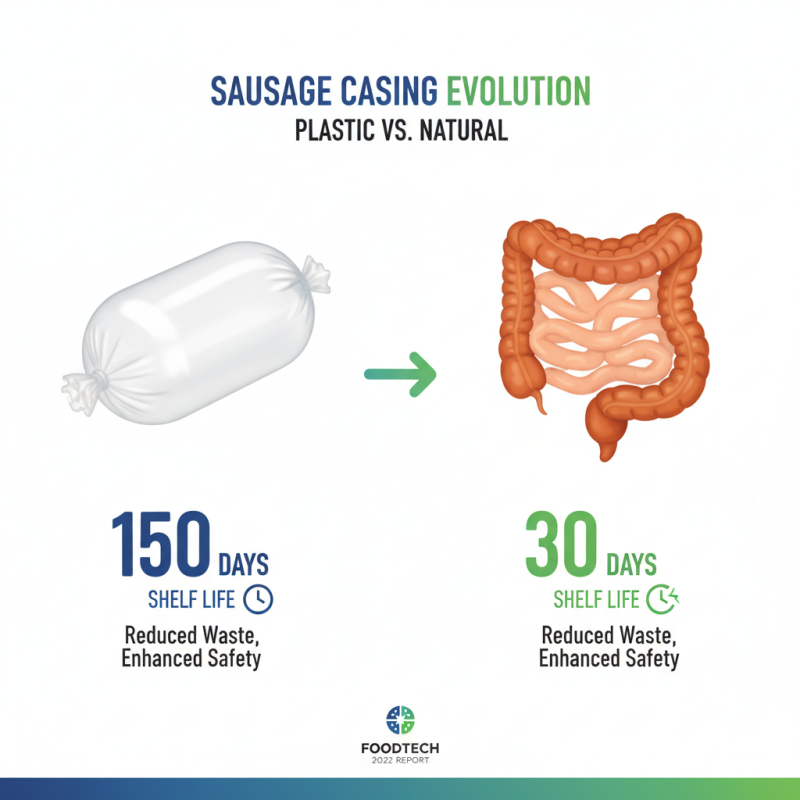
Plastic sausage casings have gained popularity in the food processing industry. These casings offer numerous advantages over traditional natural casings. One significant benefit is their increased shelf life. According to a 2022 report by a leading food technology organization, products in plastic casings can last up to 150 days, compared to only 30 days for natural casings. This extended shelf life enhances food safety and reduces waste.
Additionally, plastic casings provide excellent barrier properties. They prevent oxygen and moisture transfer. This quality is crucial for maintaining flavor and freshness. A study published in the Journal of Food Science indicated that using plastic casings can reduce spoilage rates by 40%. This data highlights their effectiveness in preserving food quality. However, some industry experts argue that reliance on plastic may pose environmental challenges. The need for recyclability is becoming a pressing issue.
Moreover, the appearance of sausages in plastic casings is often uniform and appealing. Sausage manufacturers appreciate the consistency in size and shape. However, inconsistency in how they cook can raise concerns. While they provide uniformity, they do require careful temperature control during cooking to prevent uneven results. Understanding the advantages and potential drawbacks is key for food producers considering these alternatives.
Regulatory Standards and Safety Considerations for Plastic Casings
Plastic sausage casings have become popular due to their convenience and durability. However, it is crucial to adhere to safety regulations concerning their use. Various countries have established guidelines that dictate what materials are acceptable in manufacturing these casings. These regulations ensure that no harmful chemicals leach into the food products they encase. Nevertheless, enforcement varies, and some producers may cut corners.
The safety of plastic casings also depends on proper manufacturing processes. A lack of stringent quality control can lead to subpar products entering the market. Consumers should be aware of this potential issue. Not all plastic casings are created equal, and not all manufacturers follow the same standards. It's vital for both producers and consumers to stay informed and vigilant about these topics.
Testing is essential but not universal. Some companies regularly test their casings to ensure compliance with safety standards, while others may skip this step. It raises questions about transparency in the industry. A awareness of these regulatory standards can help consumers make informed choices. Knowledge empowers shoppers to demand better products and practices.
Related Posts
-
Top 10 Netted Meat Recipes You Must Try for Flavorful Dishes
-

What is the Best Net for Cooking Meat for BBQ and Grilling
-

10 Essential Tips for Using Cellulose Casing in Sausage Making?
-
10 Essential Tips for Using Mahogany Fibrous Casings Effectively
-

Top Plastic Casings in Technology and Their Applications?
-
What is Casing Food and How is it Used in Culinary Practices?