
What is the Role of Plastic Casings in Modern Manufacturing?
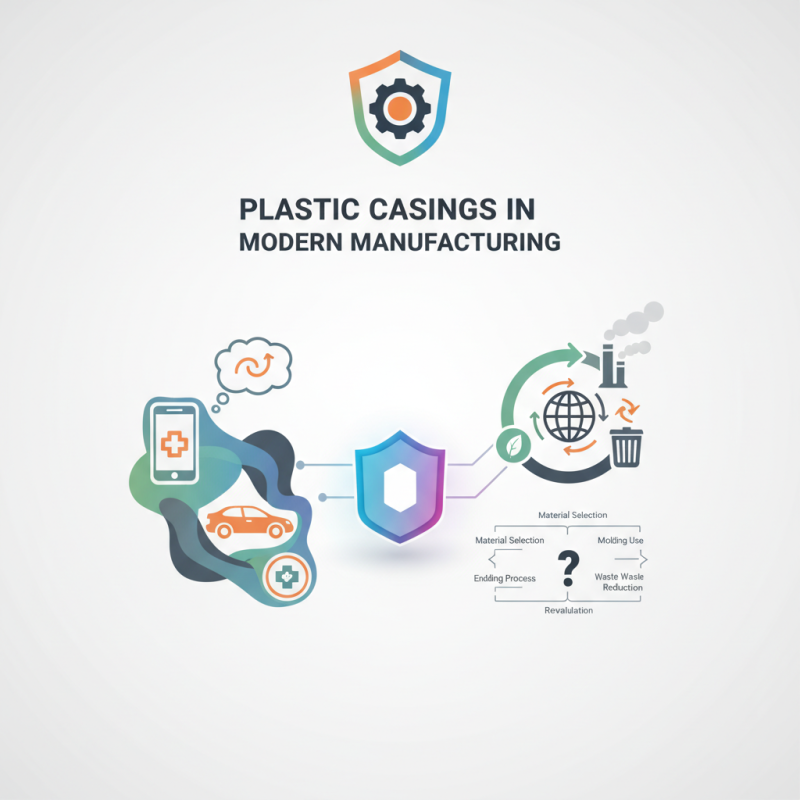
In the realm of modern manufacturing, plastic casings play a pivotal role. These casings are essential for protecting products while contributing to their aesthetic appeal. According to Dr. Emily Ross, a leading expert in polymer technology, "Plastic casings are not just a barrier; they shape the user experience." Her insight reflects the importance of these structures beyond mere protection.
The versatility of plastic casings is remarkable. They can be molded into various shapes, serving industries from electronics to automotive. This adaptability allows manufacturers to innovate constantly. However, reliance on plastic also raises environmental questions. The sustainability of materials used in plastic casings remains a concern.
Moreover, the manufacturing process of plastic casings is worth examining. Issues such as waste generation and energy consumption can impact efficiency. Many companies seek alternatives to improve their practices. This ongoing challenge reminds us that while plastic casings are crucial, their production should be constantly reevaluated.
The Evolution of Plastic Casings in Manufacturing Processes
The evolution of plastic casings in manufacturing processes has been remarkable. Originally, metal was the go-to material. It was durable but heavy and often costly. As industries grew, the need for lighter and more cost-effective options emerged. Plastic casings filled this gap perfectly. They offered flexibility in design and a significant reduction in weight.
Today, manufacturers utilize advanced plastics that resist heat, chemicals, and impact. These unique properties make plastic ideal for various applications, from automotive to electronics. The shift toward sustainable materials has also influenced the development of bio-based plastics, contributing to eco-friendly manufacturing practices. Yet, there are challenges. Not all plastics are recyclable, which raises environmental concerns.
**Tip:** Consider the types of plastics you use. Researching their recyclability can lead to better, sustainable choices.
Despite the advances, manufacturers still face issues with material degradation over time. Some plastics may not perform as expected under certain conditions, and that’s worth analyzing. Always test prototypes thoroughly.
**Tip:** Don't skip the testing phase. It is crucial for identifying potential failures.
In an industry that marches toward progress, embracing these materials means weighing their benefits against their drawbacks. Not all innovations are perfect. Continuous improvement and innovation are vital to mastering plastic casings.
What is the Role of Plastic Casings in Modern Manufacturing? - The Evolution of Plastic Casings in Manufacturing Processes
| Dimension | Description | Material Types | Applications |
|---|---|---|---|
| Durability | Provides protection against environmental hazards | Polypropylene, ABS, Polycarbonate | Electronics enclosures, automotive parts |
| Weight | Lightweight compared to metals, reducing overall product weight | Nylon, PVC, Polystyrene | Consumer electronics, medical devices |
| Cost-effectiveness | Lower production costs than metal casings | Polyethylene, Thermoplastic elastomers | Household appliances, packaging |
| Versatility | Can be molded into complex shapes and designs | PET, Polymethyl methacrylate (PMMA) | Automotive interiors, industrial equipment |
Types of Plastics Used for Casings and Their Properties
Plastic casings play a pivotal role in modern manufacturing, providing protection and durability for various products. Different types of plastics are utilized for these casings, each bringing unique properties to the table. For instance, polycarbonate is known for its impact resistance and transparency. This makes it ideal for electronic devices where visibility and strength are critical.
Another popular choice is polypropylene. It is lightweight, flexible, and resistant to many chemical solvents. This versatility allows it to be used in a wide range of applications, from automotive parts to packaging. However, it is worth noting that the recycling and disposal of these materials can pose challenges. Not every plastic casing is easy to recycle. This leads to environmental concerns that manufacturers must address.
A less common option is acrylic. It offers excellent clarity and weather resistance. However, it can be prone to scratching, which might not be suitable for all applications. Each plastic type has its merits and drawbacks. Manufacturers need to weigh these factors carefully when designing products. Balancing functionality with environmental impact is an ongoing challenge that requires continuous reflection and innovation.
Applications of Plastic Casings Across Various Industries
Plastic casings play a vital role in various industries today. They are used in electronics, automotive, and medical sectors. According to a recent industry report, the global plastic casing market is projected to grow by 5% annually over the next five years. This growth illustrates the increasing demand for durable and lightweight materials.
In electronics, plastic casings provide essential protection. They safeguard sensitive components from environmental damage. These casings allow for intricate designs and functionalities in smartphones and computers. The automotive industry also benefits from plastic casings. Lightweight components contribute to better fuel efficiency in vehicles. In fact, switching to plastic can reduce weight by 30%.
Yet, it's important to reflect on sustainability. Many plastic casings end up in landfills, contributing to pollution. The industry is exploring biodegradable options. However, these alternatives are still limited and often costly. Companies must balance performance with environmental impact. In the push for innovation, some designs may compromise recyclability. This ongoing challenge demonstrates the need for better solutions in the future.
Advantages of Using Plastic Casings Over Traditional Materials
Plastic casings have gained popularity in modern manufacturing due to their significant advantages over traditional materials. They are lightweight, reducing the overall weight of products. This feature is crucial, especially in industries like automotive and electronics. A lightweight component can lead to better energy efficiency, which is increasingly important in today's market.
Moreover, plastic can easily be molded into complex shapes, allowing for innovative designs. This flexibility helps manufacturers create unique products that stand out. Traditional materials often require more time and effort in machining. This can lead to higher costs and longer production cycles. However, using plastic casings is not without challenges. Some plastics can be less durable than metals or glass, leading to concerns about longevity.
Despite this, advancements in plastic technology are addressing these issues. New formulations enhance strength and resilience. Additionally, plastic casings provide excellent moisture and chemical resistance. These traits are vital for products in harsh environments. Manufacturers must weigh the benefits against potential drawbacks and consider the specific needs of their applications.
Environmental Considerations and Innovations in Plastic Casing Recycling
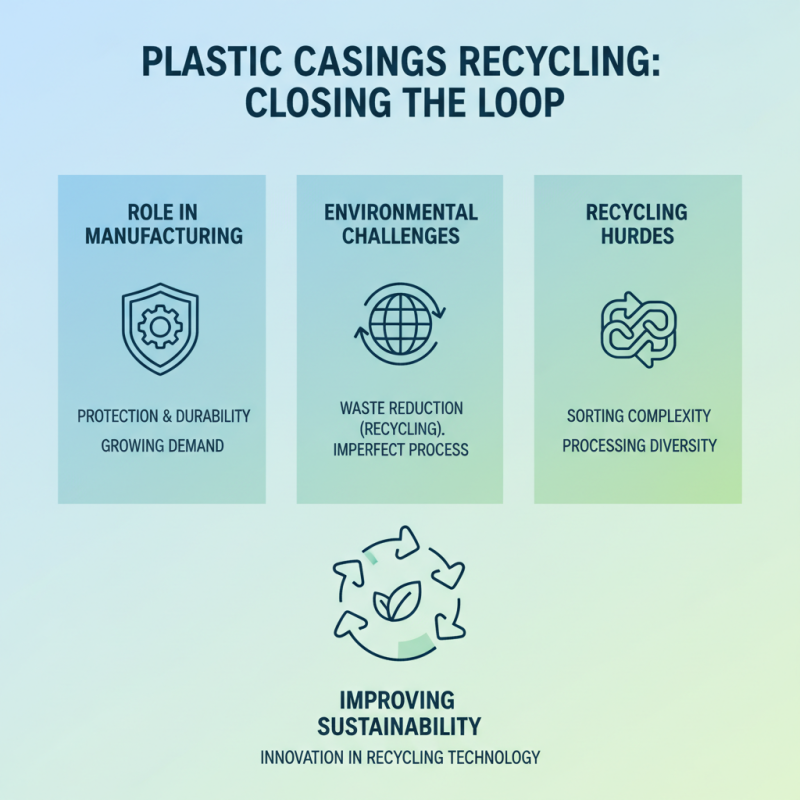
Plastic casings play a significant role in modern manufacturing by providing protection and durability. As the demand for these materials continues to grow, environmental considerations have become essential. Recycling plastic casings is one way to reduce waste. However, the recycling process is still far from perfect. Many facilities face challenges in sorting and processing different plastic types.
Innovations in plastic casing recycling are underway. New technologies are being developed to improve the efficiency of recycling. These technologies can help break down plastics more effectively. Yet, the reality of recycling often reveals limitations. Not all plastics are recyclable, and not everyone participates in recycling programs. This inconsistency creates gaps in the system that need addressing.
Educating consumers about recycling is crucial. Awareness can lead to better practices that maximize recycling efforts. Many people still do not understand how to dispose of plastic casings properly. This gap often results in more plastics ending up in landfills. Sustainable solutions are needed to ensure that the manufacturing industry can reduce its environmental impact while still benefiting from the use of plastic casings.
Related Posts
-
Top Plastic Casings in Technology and Their Applications?
-
What is Clear Fibrous Casings and How Are They Used in Food Industry
-

How to Choose the Best Fibrous Casing Suppliers for Your Needs?
-

10 Essential Tips for Choosing Fibrous Salami Casing?
-

What is the Best Net for Cooking Meat for BBQ and Grilling
-
How to Use a Net for Smoking Meat in 2026?