
What is the Role of Rock Drill Bits Manufacturers in Mining?
The mining industry relies heavily on specialized tools, particularly rock drill bits. These bits play a crucial role in extracting minerals efficiently and safely. According to John Smith, a leading expert in the field, "Rock Drill Bits Manufacturers are the backbone of modern mining operations." His insight highlights the essential contribution of these manufacturers.
Rock drill bits have advanced significantly due to technological innovation. Manufacturers constantly refine their designs to enhance durability and performance in challenging environments. High-quality bits can minimize downtime and improve productivity. However, not all manufacturers adhere to the same standards. This can lead to discrepancies in performance and reliability.
The collaboration between manufacturers and mining companies is vital for success. Regular feedback allows for continuous improvement in design and manufacturing processes. Yet, some manufacturers may overlook this feedback loop. This can hinder innovation and ultimately affect mining operations. Ensuring that Rock Drill Bits Manufacturers are responsive to industry needs is essential for sustainable growth.
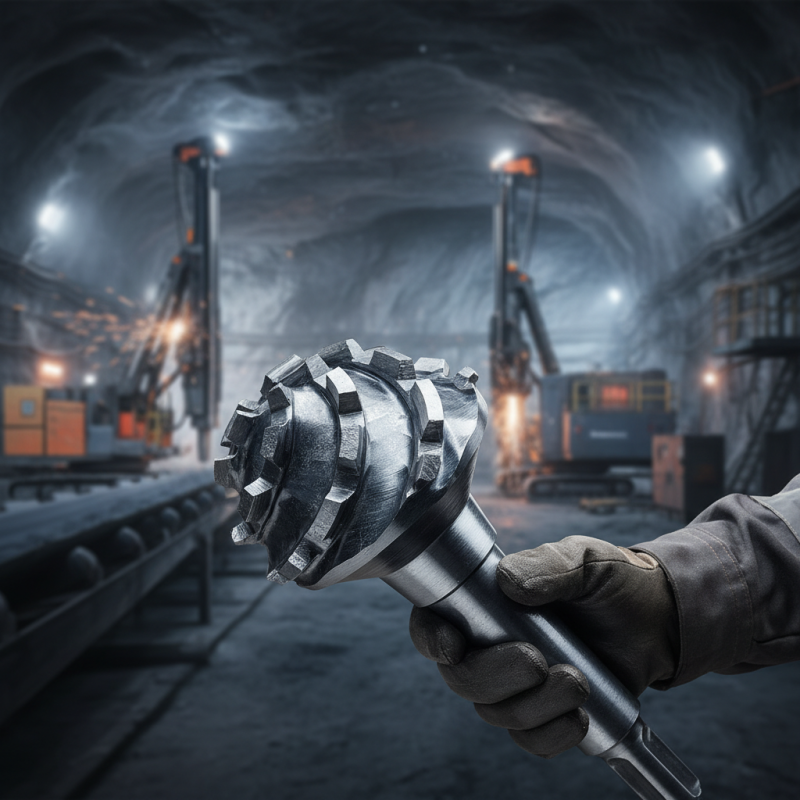
The Importance of Rock Drill Bits in Mining Operations
Rock drill bits play a crucial role in mining operations. These specialized tools are essential for penetrating hard rock layers. According to a recent report by MarketsandMarkets, the global rock drill market is expected to reach $4.2 billion by 2025, driven largely by increased mining activities.
In mining, efficiency is key. A study published in the Journal of Mining and Metallurgy reveals that appropriate rock drill bits can improve drilling speed by up to 30%. This increase directly affects the overall productivity of mining operations. However, it's important to recognize that not all drill bits are created equal. Factors like material, design, and wear resistance significantly influence performance.
Moreover, the environmental impacts of mining require careful consideration. Inefficient drilling practices can lead to increased energy use and waste generation. Manufacturers must continuously innovate to provide solutions that minimize these impacts. There is an ongoing need for developing more sustainable practices in the production and usage of drill bits. This reflects a broader responsibility within the industry to balance efficiency with environmental stewardship.
Overview of Rock Drill Bits Manufacturers and Their Role
Rock drill bits manufacturers play a vital role in the mining industry. They design and produce specialized tools for drilling in various types of rock. These bits enable efficient excavation and mineral extraction, which are crucial for mining operations. Their expertise ensures that bits are tailored for the specific geological conditions mines may encounter.
Choosing the right rock drill bit is essential. A well-designed bit improves the speed of drilling and reduces equipment wear. However, not every bit is suitable for every task. It is important for mining companies to assess their unique needs. Misjudgments in this area can lead to costly delays.
Tips for selecting drill bits include considering the rock type and depth. Understand the conditions before purchasing. Investing in high-quality bits can ultimately save time and resources. Seek manufacturers known for innovation and reliability. Their experience can guide you in making informed decisions.
Types of Rock Drill Bits Used in Mining Applications
In mining applications, rock drill bits are crucial tools. They play a significant role in drilling through various rock types. Each type of drill bit is designed for specific conditions and geology. For instance, diamond bits are typically used for hard rock formations. According to a 2022 market report, diamond bits account for over 30% of the rock drill bit market due to their durability and efficiency.
PDC (polycrystalline diamond compact) bits are another common choice. They excel in softer formations and can enhance drilling speed. A 2021 study revealed that PDC bits can reduce drilling time by up to 25% compared to traditional bits. This efficiency is vital for reducing operational costs in mining projects.
However, not every bit is suitable for all conditions. Uneven wear and rapid degradation can lead to unexpected downtimes. Proper selection and maintenance of drill bits are essential for optimal performance. The industry sees a need to innovate continuously in drill bit technology to address these challenges, which can improve overall productivity in mining operations.
Manufacturing Processes of Rock Drill Bits
The manufacturing processes of rock drill bits are central to their effectiveness in mining. These bits are intricate tools essential for breaking rock formations efficiently. The process starts with selecting the right materials, typically high-grade steel and tungsten carbide. These materials ensure durability and performance under extreme conditions.
Once the materials are chosen, fabrication begins. The steel is cut and shaped using CNC machines for precision. This is a critical step, as any inaccuracies can lead to performance issues. Post-shaping, bits undergo heat treatment. This strengthens the structure, preparing it for harsh drilling environments.
After heat treatment, surface coatings may be applied to enhance performance. However, not all coatings are created equal. Some may wear off too quickly, leading to inefficiencies. Lastly, quality control checks are vital. They ensure that every bit meets stringent standards. Even minor defects can compromise mining operations, making this stage crucial. The entire process reflects the complexities of manufacturing, emphasizing the need for continuous improvement and innovation.
Challenges Faced by Rock Drill Bits Manufacturers in the Industry
Rock drill bits manufacturers play a crucial role in the mining industry. They provide essential tools that enhance the efficiency of extraction processes. However, these manufacturers face several significant challenges.
One major challenge is the constant demand for innovation. As mining techniques evolve, manufacturers must develop advanced drill bits. Staying ahead of technology requires continuous research and development. Additionally, fluctuations in raw material costs can impact production budgets. Manufacturers constantly strive to balance quality with affordability.
Another issue is the skilled labor shortage. Experienced workers are becoming rarer in the industry. This gap can lead to production delays and increased training costs. Manufacturers need to invest in training programs. However, finding qualified trainers themselves can be its own problem. Furthermore, meeting global standards for safety and sustainability remains a significant hurdle. Compliance adds layers of complexity to the manufacturing process, impacting timelines and resources.


