
Top Tips for Choosing the Best Foil Tray for Your Needs?

When it comes to food preparation and storage, choosing the right Foil Tray is essential. A foil tray can greatly enhance your cooking experience. It is lightweight, versatile, and easy to handle. However, not all foil trays are created equal. Selecting the best option for your needs requires careful consideration.

Understanding the different types of foil trays available is crucial. Some are designed for baking, while others suit grilling or serving. Factors like size, depth, and material quality play a significant role in functionality. For example, deeper trays are better for casseroles, while shallow ones excel at roasting vegetables. Additionally, the suitability for high temperatures matters when baking.

It’s important to reflect on your specific needs. If you often host gatherings, selecting larger trays could save time. Yet, smaller trays might be more manageable for everyday meals. Pay attention to the thickness of the foil. Thicker trays offer better durability but may come at a higher cost. Balancing these factors will guide you in finding the perfect foil tray for your culinary tasks.
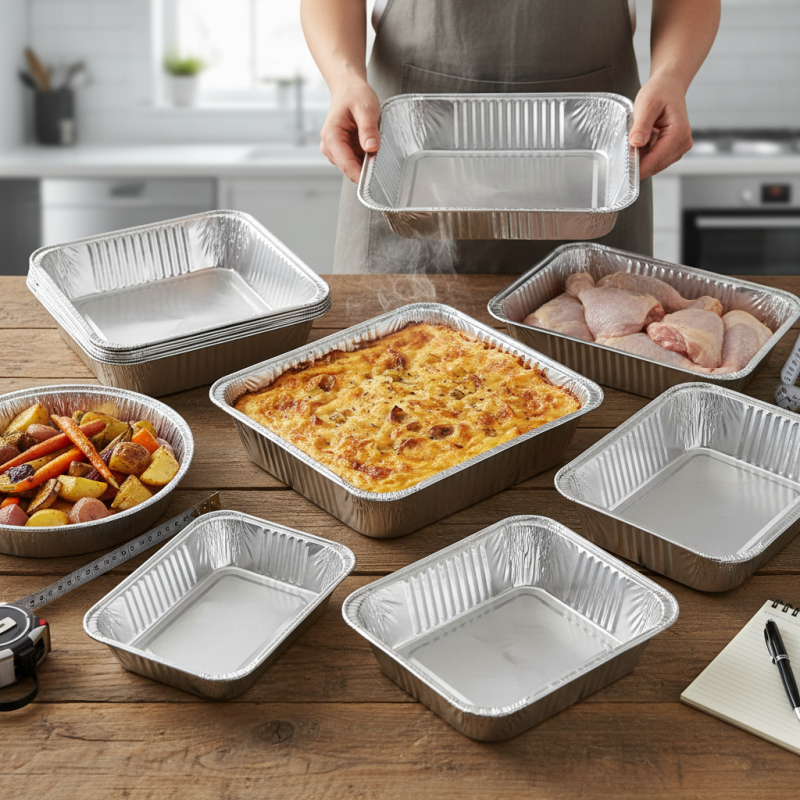
Top Tips for Choosing the Best Foil Tray for Your Needs?

Understanding the Different Types of Foil Trays Available

When selecting a foil tray, understanding the different types available is crucial. Foil trays come in various shapes and sizes. Consider the purpose of your use. Are you cooking, storing, or serving? Each function might require a specific type of tray.

There are standard foil trays for everyday cooking. These are versatile and can handle various dishes. Disposable trays are excellent for parties or events. After use, you simply toss them away. Make sure to choose trays with proper depth and strength for your needs.

Keep in mind that quality matters. Thinner trays might warp or leak when heated. Also, check if the tray can be used in an oven or just for storage. Take time to experiment with different types. Not every tray works out well on the first try. Reflect on your needs to make a more informed choice.

Top Tips for Choosing the Best Foil Tray for Your Needs

Type of Foil Tray Size (Dimensions) Capacity (Liters) Ideal Use Case Recyclable
Standard Foil Tray 250mm x 180mm 1.5 Baking, Roasting Yes
Deep Foil Tray 300mm x 225mm 2.3 Casseroles, Lasagna Yes
Small Foil Tray 200mm x 150mm 0.8 Individual Servings Yes
Heavy-Duty Foil Tray 350mm x 250mm 3.0 Grilling, BBQ Yes
Round Foil Tray 300mm Diameter 2.0 Pies, Cakes Yes

Key Features to Consider When Choosing a Foil Tray

When selecting the right foil tray, several key features demand attention. The size of the tray is crucial. You need to think about the portion sizes you often serve. If you frequently prepare large meals, a bigger tray is essential. Conversely, smaller trays are great for appetizers or side dishes.

Another important aspect is the thickness of the foil. Thicker trays are more durable, holding heavier foods without bending. However, they may also be pricier. Lightweight trays are convenient for everyday use but might struggle with heavier items. Reflect on your cooking habits and choose accordingly.

Ventilation holes can enhance cooking performance. They allow steam to escape, preventing sogginess. Also, consider whether you want disposable or reusable options. Disposable trays save time but create waste. Reusable ones require cleaning but promote sustainability. Ultimately, evaluate your needs and preferences. Making the right choice can enhance your cooking experience.

Evaluating Size and Capacity for Your Specific Needs

When choosing the best foil tray, size and capacity are key factors. Consider what you'll use the tray for. If you're hosting a party, a larger capacity may be essential. For a simple dinner, smaller trays might suffice. Assessing your specific needs can help narrow down your options.

Measuring your food portions is crucial. If you plan to cook large meals, it's wise to opt for a bigger tray. Ensure it can hold enough food without overflow. On the other hand, smaller trays are ideal for side dishes or individual servings. Think about how they stack and store as well.

Remember to factor in convenience. If you often prepare meals in advance, a versatile size is beneficial. Multiple smaller trays can help with portion control. Reflect on how often you'll use them and for what purposes. Choosing the right size can make your cooking and serving much easier.

Material Quality: Determining the Durability of Foil Trays

When choosing a foil tray, material quality is crucial. A sturdy tray can withstand high temperatures and heavy meals. Thinner trays may bend or warp, leading to spills. Look for trays that are thick enough to support your cooking needs. While lightweight options are convenient, they might not hold up during intense baking.

Recyclability is another factor. High-quality foil trays often come from recycled materials. This helps in reducing waste. However, they should still maintain their structural integrity. Consider how often you’ll use the trays. If you're a frequent host, investing in durable options is wise.

Some people overlook the importance of dimensions. Trays come in various sizes. A size that’s too small can result in overflowing food. It’s helpful to visualize your meals. Clarity in size aids in proper meal prep. Think about the type of dish you want to prepare. It will guide you in choosing an appropriate tray. Reflecting on these details can make a difference in your cooking experience.

Eco-Friendly Options: Sustainable Choices for Foil Trays

When selecting foil trays, eco-friendly options are crucial. The rise in environmental awareness has led to increased demand for sustainable packaging solutions. A recent report indicates that over 60% of consumers prefer products made from recyclable or biodegradable materials. Foil trays often present a dilemma for eco-conscious buyers due to the traditional use of aluminum and plastic.

One sustainable choice is opting for trays made from recycled aluminum. This requires 95% less energy compared to producing new aluminum from raw materials. Additionally, some manufacturers are now offering compostable foil trays. These trays break down efficiently without leaving harmful residues, making them a suitable choice for eco-friendly kitchens.

However, not all "eco-friendly" claims are reliable. It's essential to scrutinize certifications and consult industry experts for transparent information. Consumers must also balance convenience with sustainability. Sometimes, the most convenient options are less sustainable. Being aware of these trade-offs can lead to more informed decisions in choosing foil trays.

Top Tips for Choosing the Best Foil Tray for Your Needs

Article Source:

We are using cookies on our website

Please confirm, if you accept our tracking cookies. You can also decline the tracking, so you can continue to visit our website without any data sent to third party services.