
Top Tips for Choosing Reliable China Safety Helmet Suppliers?
Choosing reliable China Safety Helmet Suppliers is critical for ensuring workplace safety. The construction industry relies heavily on quality helmets to protect workers. According to a report by the China Safety and Quality Association, over 2,000 fatalities occur each year due to head injuries in construction. This statistic underscores the importance of selecting the right suppliers who adhere to safety standards.
Mr. Li Wei, an expert in personal protective equipment, emphasizes, "Quality and reliability in safety helmets should not be compromised." This remark highlights the pressing need for rigorous supplier evaluation. High-quality helmets not only offer better protection but also ensure compliance with international safety regulations.
However, not all suppliers prioritize quality. Some may offer lower prices at the expense of safety features. Thus, it is essential for buyers to assess the reputations of potential China Safety Helmet Suppliers thoroughly. This process should include checking testimonials, certifications, and production processes. Quality matters, and so does performing due diligence.
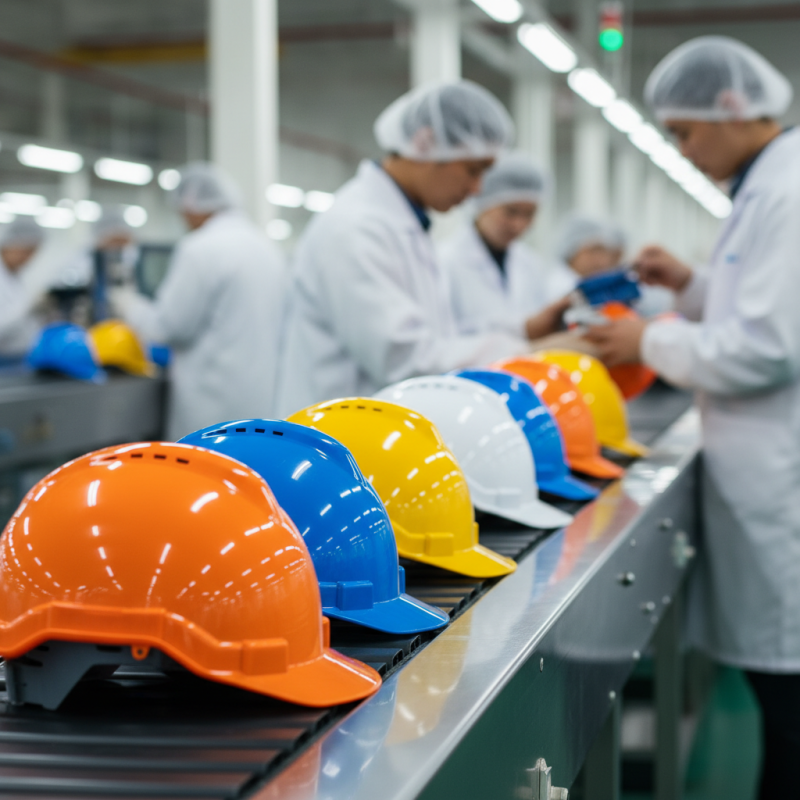
Understanding the Importance of Quality Safety Helmets in China
In construction and industrial sectors, safety helmets are not just accessories; they are essential life-saving gear. According to the China Construction Safety Association, over 80% of workplace head injuries could be prevented with proper helmet usage. It is vital to understand the importance of quality safety helmets in China, where safety standards are imperative for protecting workers. Poor-quality helmets often lead to catastrophic injuries, underscoring the need for reliable suppliers who prioritize safety.
Quality helmets are made from durable materials like high-density polyethylene. They must meet national standards, such as GB 2811-2007 in China. Evaluating suppliers based on their ability to provide helmets passing these standards can be crucial. Look for manufacturers that supply test reports and certifications. This assures you of their expertise and commitment to safety.
Tip 1: Research supplier backgrounds thoroughly. Verify their track records in product quality and reliability.
Another key factor is the comfort and fit of the helmets. Workers are more likely to wear helmets consistently if they are comfortable. Helmets that fit poorly can lead to neglectful use, increasing the risk of injury. Tip 2: Ensure that the supplier offers a range of sizes and styles to suit various needs.
With the growing demand for safety helmets in China, reflecting on your choices is crucial. Quality should never be compromised for price. Always prioritize reliability and proven safety records when choosing suppliers.
Key Factors to Consider When Selecting Safety Helmet Suppliers
When selecting safety helmet suppliers in China, it is crucial to evaluate their credibility. Check their certifications and compliance with international safety standards. This ensures the helmets meet necessary safety requirements for various industries.
Another important factor is their production capacity. A reliable supplier should handle bulk orders efficiently. Ask for their lead times and delivery options. Timely delivery can significantly impact your operations. Communication during this process should be clear and professional.
Quality control measures are essential. Learn about their testing protocols and product warranties. Sometimes, overseas suppliers may struggle with consistency. This can lead to frustration and inefficiencies. Request samples to ensure the helmets meet your specificneeds and comfort standards. Be cautious of suppliers who promise the lowest prices; quality often comes at a cost.
How to Evaluate the Reliability of Safety Helmet Manufacturers
When evaluating the reliability of safety helmet manufacturers, start with industry certifications. Many credible suppliers obtain certifications like ISO 9001, which reflects quality management practices. According to a recent industry report, helmets produced by ISO-certified companies have a 20% lower failure rate in safety tests. This data indicates that certifications are a critical indicator of reliability.
Next, analyze their production processes. Reliable manufacturers utilize advanced technology and materials that meet international safety standards. Reports show that helmets made with polycarbonate shells have a 30% higher impact resistance than those made from inferior materials. Ask suppliers about their materials and production methods, as transparency here can reveal their commitment to quality. Check if they have robust testing procedures. Manufacturers should routinely conduct tests that comply with standards such as ANSI/ISEA 287.1 in the U.S.
Lastly, consider their reputation in the market. Look for reviews from other businesses and industry professionals. A lack of feedback or negative reviews may raise questions. Remember that while some suppliers may have attractive prices, this doesn’t always equate to reliability. The investment in quality helmets is crucial; subpar products can lead to dire consequences. Validate suppliers with a track record of reliability.
Comparing Pricing and Quality Among Different Suppliers in China
When selecting suppliers for safety helmets in China, it’s essential to compare pricing and quality effectively. Industry reports suggest that price discrepancies among suppliers can reach up to 30%. This variance may stem from differences in materials used and manufacturing processes. For instance, helmets made from polycarbonate may cost more than those made from ABS. Understanding these materials can guide buyers in making informed decisions.
Quality inspection is equally crucial. According to the Chinese National Standards, helmets must comply with GB 2811-2007. It's vital for buyers to request certification documents from potential suppliers. An estimated 25% of helmets fail to meet these standards due to poor production practices. Reviewing factory audits and quality control measures can significantly improve procurement decisions.
Despite the abundance of suppliers, not all provide reliable products. A study by the Safety Equipment Institute indicated that only 15% of manufacturers routinely pass third-party quality tests. Engaging with suppliers that prioritize testing and certifications can mitigate risks. Remember, a low price often equates to compromised quality. Balancing cost and safety is paramount in this industry.
Best Practices for Establishing Long-Term Partnerships with Suppliers
Establishing a long-term partnership with reliable China safety helmet suppliers requires an in-depth approach. First, you should evaluate their production processes. Understanding how helmets are made gives insight into their quality standards. It's essential to ask for details about materials used and quality control measures. You want to ensure they follow best practices in safety and durability.
Another vital aspect is communication. Clear and open dialogue fosters trust. Schedule regular meetings to discuss expectations and feedback. Conducting visits to their facilities can enhance this relationship. Observing operations firsthand can reveal commitment and professionalism. Ensure that their staff is knowledgeable and able to address concerns effectively.
Lastly, consider flexibility in your partnership. Suppliers should be willing to adapt to your changing needs. A rigid supplier may not be able to keep up with innovations or market trends. Look for those who show initiative and responsiveness. A flexible approach can lead to mutual growth over time, benefiting both parties involved.
Top Tips for Choosing Reliable China Safety Helmet Suppliers
| Criteria | Description | Importance Rating (1-5) |
|---|---|---|
| Experience and Reputation | Consider suppliers with a proven track record and positive reviews in the industry. | 5 |
| Product Quality | Ensure the helmets meet international safety standards and guidelines. | 5 |
| Communication Skills | Effective communication helps in clarifying requirements and expectations. | 4 |
| Pricing and Payment Terms | Get a clear breakdown of pricing and preferred payment methods to avoid surprises. | 4 |
| After-Sales Support | Check if the supplier offers warranties and support for product issues. | 5 |
| Delivery and Lead Times | Understand the expected timelines for order fulfillment to ensure timely delivery. | 4 |


