Top 10 Essential Irrigation Pipe Fittings for Global Buyers?
In the global market for agricultural solutions, "Irrigation Pipe Fittings" play a crucial role. Experts highlight their importance in effective irrigation systems. John Miller, an irrigation specialist, emphasizes, “The right fittings can significantly enhance water efficiency.” This statement underscores the selection process for top-quality fittings.
Choosing the best irrigation pipe fittings can be overwhelming. Numerous options exist, and each has unique features. Buyers must navigate various materials and sizes. Quality fittings ensure optimal performance, leading to better crop yields. However, not every fitting is durable or reliable. It’s essential to assess manufacturers' reputations before purchasing.
Also, understanding installation and compatibility is necessary. Many users overlook this aspect, leading to costly mistakes. Reflecting on past experiences can guide better choices. Overall, selecting the right irrigation pipe fittings is vital for sustainable agriculture. It often requires careful consideration and expert advice.
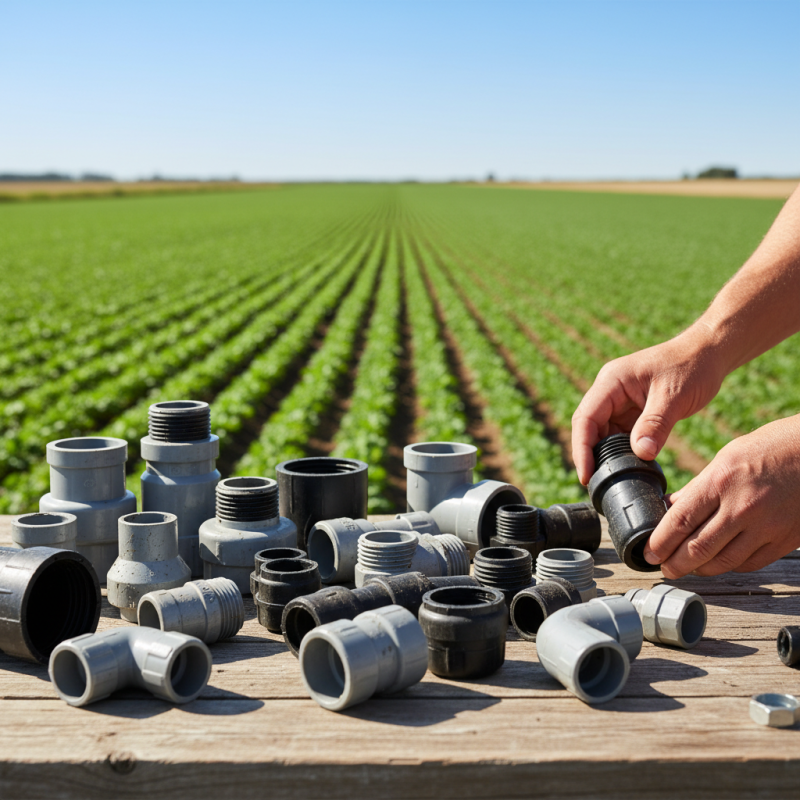
Essential Types of Irrigation Pipe Fittings: A Global Perspective
Irrigation pipe fittings are crucial for efficient water management in agriculture. These components connect various pipes, ensuring that water flows seamlessly to crops. Farmers globally rely on these fittings to optimize irrigation systems and enhance crop yields.
Some common types include elbows, tees, couplings, and adapters. Each serves a unique purpose in creating a reliable irrigation network. For instance, elbows help change the direction of water flow, while tees allow for branching. It's essential to choose the right material for durability.
PVC, polyethylene, and metal options are widely used, each with its own advantages.
Tips: Always assess the pressure rating of the fittings. A mismatch can lead to leaks or failures. Regular maintenance checks can prevent unexpected breakdowns. Additionally, consider local climate conditions when selecting fittings. Some materials may perform better in extreme temperatures or humidity levels.
In conclusion, understanding different irrigation pipe fittings improves water management globally. However, balancing cost with quality is crucial. Sometimes cheaper options lead to more problems, requiring careful thought in the selection process.
Understanding Material Selection for Irrigation Fittings: PVC, Metal, and More
When choosing irrigation pipe fittings, material selection is crucial. Many buyers often overlook this aspect. PVC, metal, and other materials each have unique properties. PVC is lightweight and resistant to corrosion, making it ideal for various environments. It’s budget-friendly too. However, it lacks the strength of metal options. This insufficiency can lead to issues in high-pressure systems.
On the other hand, metal fittings offer durability and robust performance. They can withstand higher pressures without failure. However, metal is heavier and may require more maintenance. Corrosion resistance is also a concern. Proper coatings can help, but this adds to costs. Understanding these factors is essential for making informed choices.
Buyers must also consider the specific needs of their irrigation systems. Reflecting on local conditions is vital. Each material has its pros and cons. Ignoring these can result in failures or inefficiencies. This consideration helps ensure longevity and reliability in irrigation projects. It's an ongoing challenge many face in the industry.
Key Performance Metrics: Pressure Ratings and Flow Capacities Explained
When selecting irrigation pipe fittings, understanding pressure ratings and flow capacities is crucial. High-quality fittings can significantly impact irrigation efficiency. According to industry standards, pressure ratings of fittings often vary from 150 PSI to over 600 PSI, depending on the material used. PVC fittings, for example, commonly have a rating of 200 PSI, which is adequate for many agricultural applications.
Flow capacities are equally important. They are typically measured in GPM (gallons per minute). A well-designed fitting can optimize flow, preventing blockages and ensuring uniform irrigation. Reports indicate that fittings with a larger internal diameter can improve flow rates up to 30%, helping farmers to achieve consistent water distribution.
Tip: Always check the compatibility of fittings with your existing pipes. Mismatched components can lead to leaks and inefficiencies. Remember, some materials may react adversely, affecting longevity.
It’s essential to evaluate both pressure and flow capabilities before making a purchase. An unsuitable fitting can result in unnecessary pressure loss, wasting both water and energy. Detailed specifications from reliable sources can guide your decision-making process. Don't hesitate to request additional information when in doubt about fitting performance.
Market Trends: The Growing Demand for Sustainable Irrigation Solutions
As global agricultural practices evolve, the demand for sustainable irrigation solutions increases. A recent report by the United Nations indicates that agricultural water use will rise by over 15% by 2030. This shift highlights the urgency for effective irrigation systems, particularly in regions facing water scarcity. Sustainable irrigation pipe fittings play a crucial role in optimizing water usage while minimizing waste.
Research shows that around 70% of the planet's fresh water is used for agriculture. With climate change impacting traditional water sources, innovative fittings are essential. These fittings, designed for durability and efficiency, can reduce water loss by up to 40%. This statistic is critical for growers aiming for sustainability. However, not all growers are adopting these solutions quickly enough. Cost concerns and a lack of awareness often hinder transition.
Accessibility to advanced irrigation technology remains uneven globally. In developing countries, only about 10% of farmers use efficient irrigation methods. The gap in implementation reflects a need for education and resources. As buyers look for pipe fittings, they must consider long-term benefits over short-term costs. Sustainable solutions are not just an option; they are becoming a necessity in today's agricultural landscape.
Global Supply Chain Insights: Sourcing Quality Pipe Fittings Worldwide
In the fast-evolving global supply chain, sourcing quality irrigation pipe fittings has become essential. Industry reports show that the global irrigation market is expected to reach $25 billion by 2026, driven by increasing agricultural demands. Buyers often struggle with identifying reliable suppliers. This gap can lead to inferior fitting quality, impacting agricultural efficiency.
Diverse materials, including PVC, polyethylene, and metal, dominate the market. Each has its unique advantages and pitfalls. For instance, PVC fittings are lightweight but may degrade in UV exposure. In contrast, metal options offer durability but can lead to rust. Selecting the right material requires thorough research and understanding. Market data suggests that nearly 40% of buyers have faced inefficiencies due to unsuitable fittings. This statistic highlights the importance of informed decision-making in sourcing.
Sustainability trends are also reshaping buyer preferences. Reports indicate a rising demand for eco-friendly materials. Buyers are increasingly conscious of the environmental impact. However, balancing cost and sustainability poses challenges. Substituting traditional materials with green alternatives can lead to higher initial expenses. This dilemma underscores the need for continuous reflection on procurement strategies in the irrigation sector.
Top 10 Essential Irrigation Pipe Fittings
This chart illustrates the global demand for the top 10 essential irrigation pipe fittings, showcasing units sold for each type. The data indicates PVC elbows and tees have the highest demand, highlighting their significance in irrigation systems.